
Last updated November 24, 2026
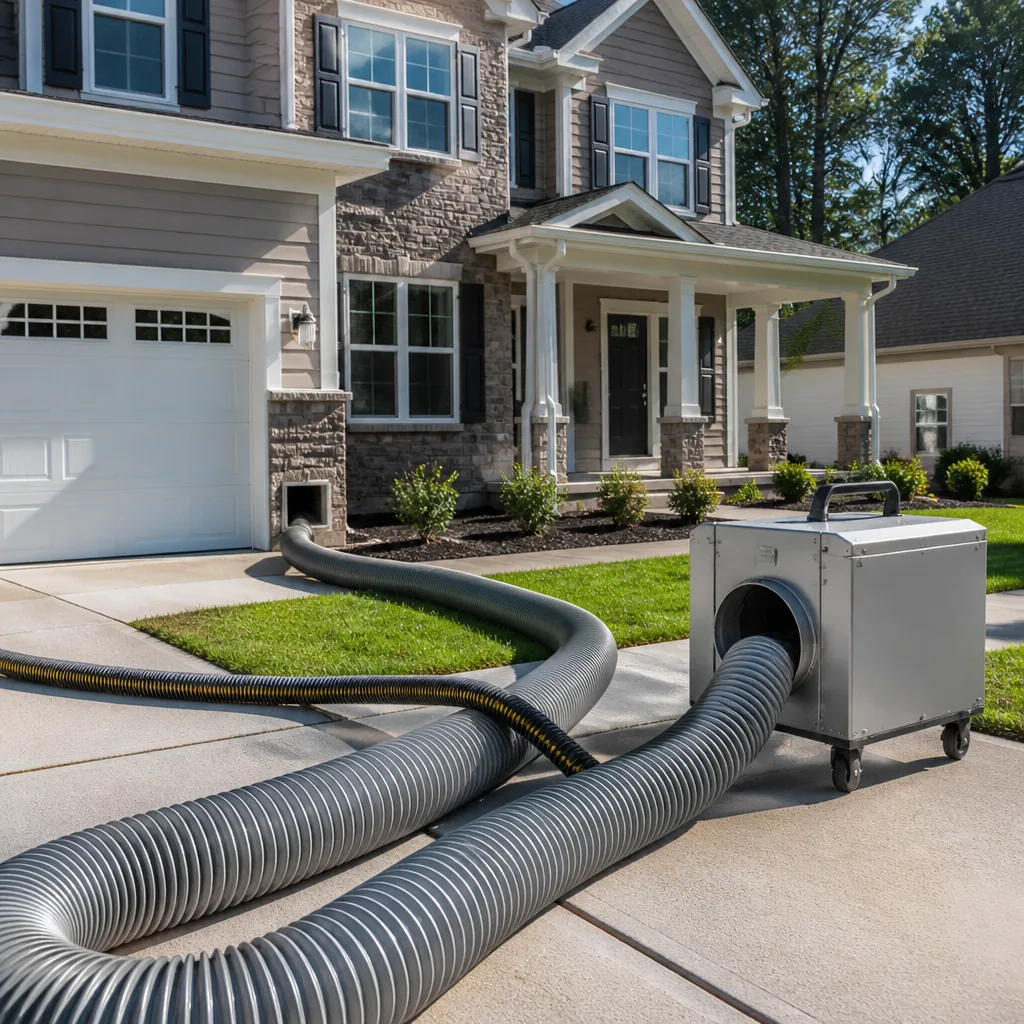 Whole-home duct cleaning
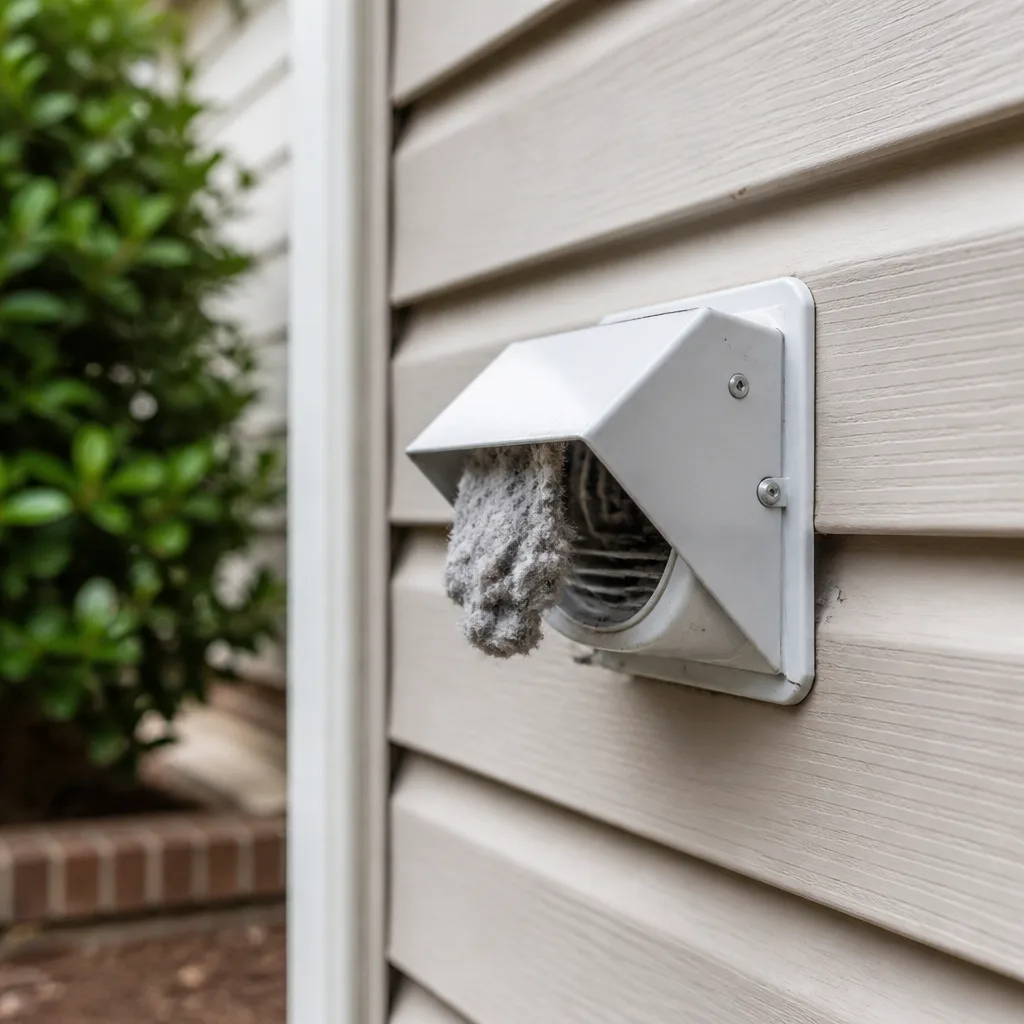 Dryer vent cleaning
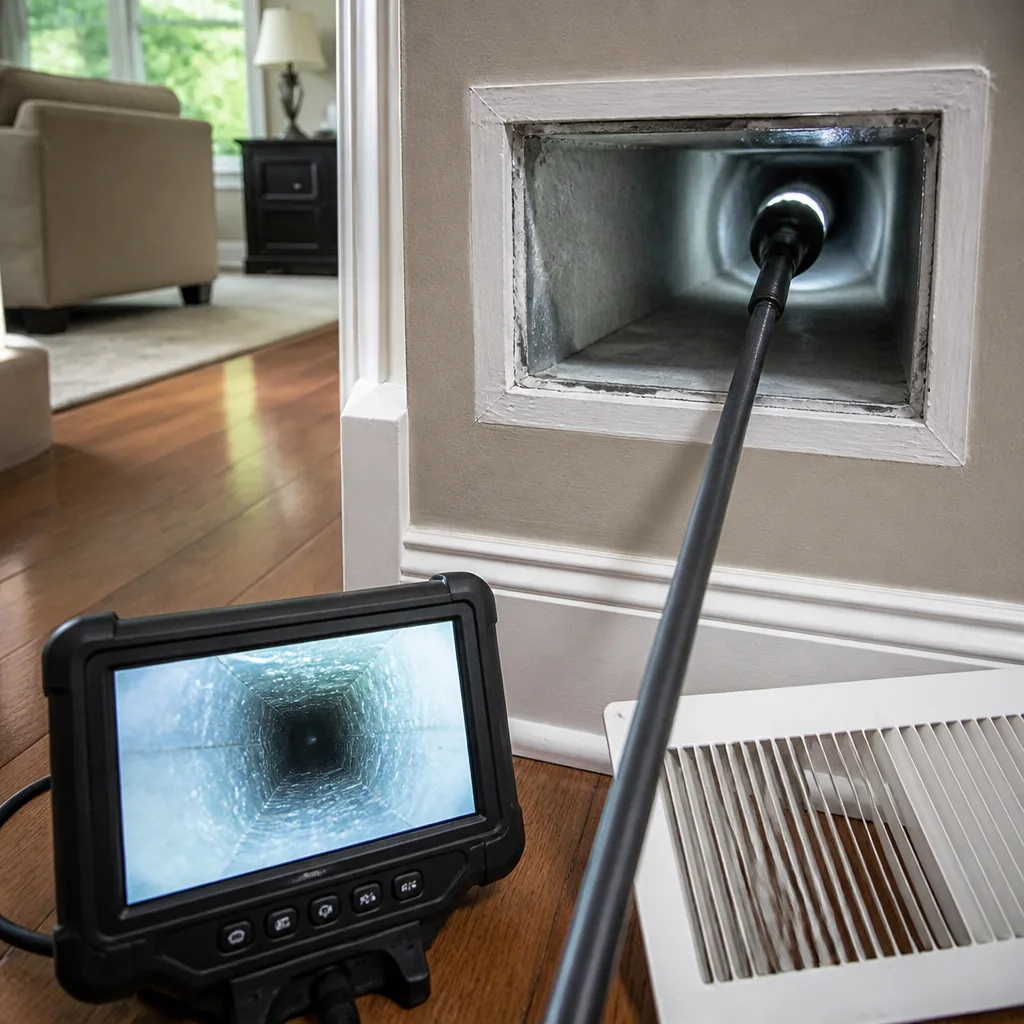 Camera inspection
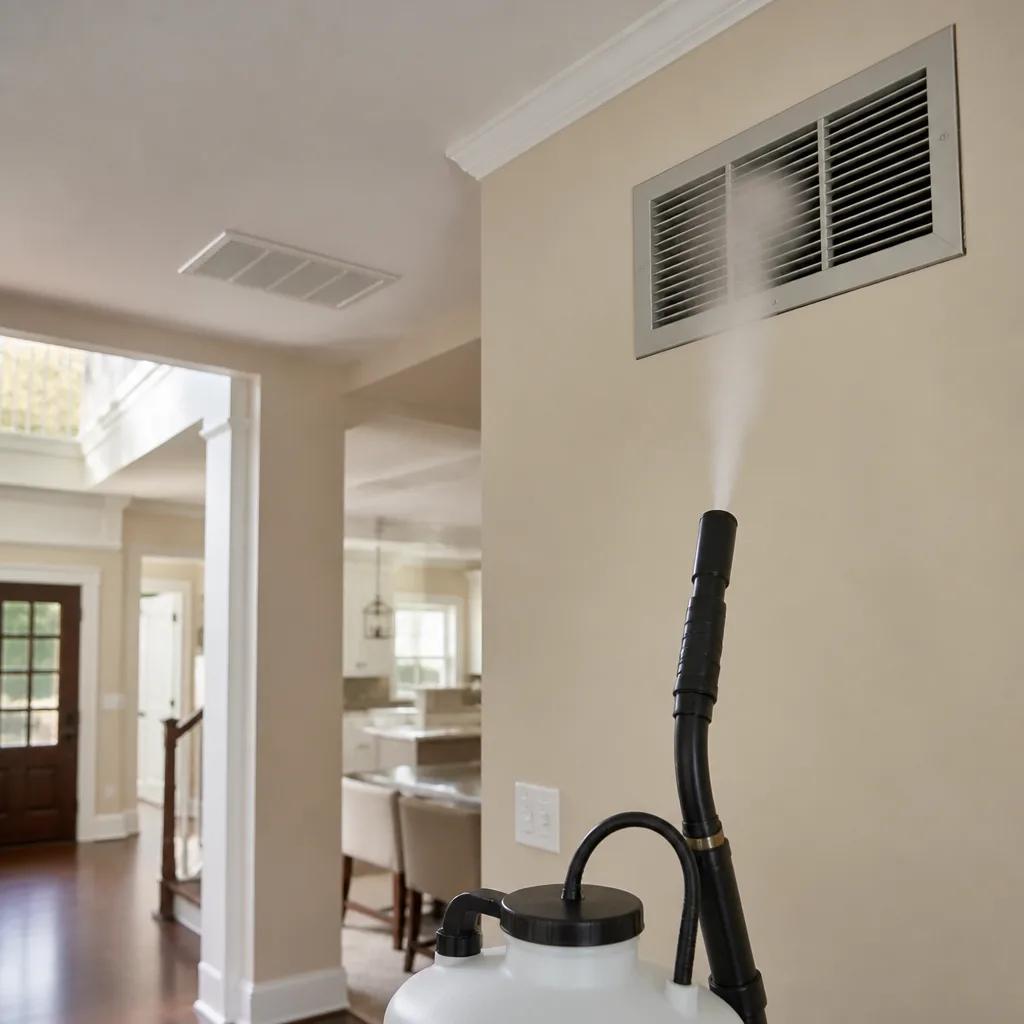 Sanitizing & deodorizing
Whole-system duct and dryer vent check with before-and-after photos - you see exactly what came out of your vents
That "$99 whole-house special" is a bait ad - the real number appears once they are in your hallway, or the "clean" is a shop-vac at the register. We photograph the inside of your ducts before and after instead.
How to Hire an Air Duct Cleaning Contractor in Bountiful: A Step-by-Step Guide
Here’s the part most homeowners don’t know until they start asking around: Utah does not issue a license specific to air duct cleaning. That means anyone with a van and a shop vacuum can legally print “duct cleaning professional” on a business card in Bountiful today. No state board reviews their equipment, their methods, or whether they know the difference between a supply trunk and a return chase. And because the usual safety net of licensing isn’t there, the hiring process itself has to do the work. This guide walks you through the exact questions to ask before you book, how to read a quote line by line, what a credible job looks like while it’s happening, and how to confirm the work was actually done once the crew pulls away.
Quick Answer
To hire an air duct cleaning contractor in Bountiful, verify three things before booking: that the contractor uses professional-grade rotary brush and negative-pressure equipment (not a shop vac), that they can show you before-and-after video evidence of the ducts, and that their quote is a whole-system price covering the main trunk and every branch line rather than a per-vent figure. Ask for proof of general liability insurance and a written scope of work that names the equipment and sanitizing products they’ll use. If any of those three answers comes up vague, keep calling.
Styles & brands we work with
- Whole-home duct cleaning
- Dryer vent cleaning
- Camera inspection
- Sanitizing & deodorizing
Table of Contents
- Why Utah Has No Duct Cleaning License, and What That Means for You
- The Five Technical Questions to Ask Before Booking
- How to Decode a Duct Cleaning Quote
- What Negative Pressure Really Means and Why It Matters
- What to Watch for During the Job Itself
- Insurance and Liability: What Your Contractor Should Carry
- How to Verify the Work Was Actually Done
- Common Mistakes to Avoid
Why Utah Has No Duct Cleaning License, and What That Means for You
In most trades, you can check a state license database before you let a stranger into your attic. For air duct cleaning in Utah, that gate doesn’t exist. The work sits in a gap between HVAC licensing, which covers the mechanical system itself, and general contracting, which covers construction. Duct cleaning falls between the two, and that gap is exactly where low-effort operators set up shop.
What fills the space is a voluntary standard. NADCA, the National Air Duct Cleaners Association, certifies individual technicians and sets the industry’s accepted cleaning methodology. A contractor whose crew has gone through that certification has at least agreed to a published process. It’s not a state license, but it’s a verifiable signal, and it’s one you can ask about directly.
In Bountiful this matters for a specific reason. Many homes along the bench and down through the older neighborhoods have original or partially retrofitted ductwork, often flexible branch lines feeding a main trunk. Flex duct is more fragile than rigid metal. A technician who doesn’t understand that will tear a joint loose or disconnect a line and leave it hanging, and you may not notice until your heating bill climbs or an upstairs bedroom stops getting air. In a market with no licensing gatekeeper, the responsibility for screening falls squarely on you. The good news is that a handful of pointed questions separates the real operators from the rest very quickly.
What to check before anything else
- Ask how long the individual technician performing the work has been doing it, not how long the business has existed.
- Ask whether they are a NADCA member or have technicians with that certification.
- Ask for a certificate of insurance naming general liability coverage, and read the dates.
- Ask what equipment they’ll bring to your house and ask them to name the brands.
The Five Technical Questions to Ask Before Booking
These five questions are the fastest way to find out whether you’re talking to a professional technician or a van with a marketing plan. A real operator answers each one without hesitation, because each one points to a specific piece of equipment or method they already use.
- What’s the CFM rating on your vacuum? CFM is cubic feet per minute, the measure of how much air the machine moves. Duct cleaning vacuums built for the trade move far more air than consumer vacuums. A technician who can’t tell you their machine’s rating has probably never considered why it matters. Professional equipment moves enough air to keep a whole duct run under suction while brushes knock debris loose.
- What negative pressure method do you use? This is the single most important question on the list. Negative pressure means the vacuum creates a stronger pull inside the duct than the surrounding air pressure, so loosened debris flows toward the machine instead of blowing into your living room. The answer should mention a HEPA-filtered vacuum and some method of sealing the duct opening around the hose, often a vacuum collection port cut into the main trunk.
- Can you show me video inspection footage? A camera pushed through the ductwork tells the story that words can’t. Ask whether they use a video system, whether you’ll see footage of the inside of your ducts before and after, and whether they’ll show you the screen during the service. A contractor with no camera is asking you to trust the results sight unseen.
- Are you a NADCA member? NADCA sets the trade’s cleaning standard, its assessment and verification protocols, and its equipment requirements. Membership isn’t required by law in Bountiful, but it’s a real, checkable sign that the crew follows a documented process instead of improvising.
- What sanitizing products do you use, and can you disclose them? Chemical products in an air system go into the air your family breathes, so disclosure is not optional. A contractor should be able to name the product and explain what it’s designed to do. Restoration-grade lines like the Abatement Technologies and Guardsman systems exist precisely because surface wiping doesn’t reach airborne contaminants. If the answer is a generic “disinfectant,” ask again.
If you’re already narrowing your list, the takeaway is simple: the equipment tells you who you’re dealing with. When we work in Bountiful homes, the tools we bring are the same ones restoration and HVAC contractors rely on, including the Rotobrush rotary brush system and Nikro machines. That’s not a marketing line. It’s a way of knowing the job gets done at the source rather than at the vents.
How to Decode a Duct Cleaning Quote
Price is where most Bountiful homeowners get burned, and the reason usually isn’t a dishonest number. It’s a quote that never said what it covered. A real quote for whole-system cleaning breaks the work into line items. A per-vent figure or a single lump sum is where the trouble starts, because a low number can leave out branch lines, the main trunk, the air handler, or any sanitizing step.
Here’s what a legitimate quote tends to include, as line items you can read:
- Source removal cleaning of all supply and return ducts, with the main trunk and branch lines called out separately where the layout warrants it.
- Register and grille removal and cleaning, not just a pass over the face.
- Air handler and blower cleaning or a clear note that HVAC cleaning is priced separately if the quote covers ducts only.
- Negative pressure setup and equipment stated in the scope, since it’s the labor-intensive part.
- Sanitizing or fogging as its own line, with the product named.
- Before-and-after documentation, delivered or shown on screen.
Now the add-ons. Some are legitimate and depend on what the technician finds. Duct repair and sealing for a disconnected joint or a torn flex line is real work with a real cost. A filtration upgrade toward a better filter or a whole-home unit from a brand like Aprilaire is a genuine recommendation in some homes and an unnecessary upsell in others. Both are worth discussing if you can see the reasoning. The add-on that should raise an eyebrow is the vague one: an “extra deep clean” that isn’t defined, or a “filter package” that isn’t a named product.
Red flags in a quote
- A whole-home figure far below what a full-system cleaning with proper equipment would cost. A full job takes hours of labor and real machine power. A quote that can’t reflect that is a quote that skips steps.
- Per-vent pricing, which works against thoroughness. You want the whole system cleaned, not a count of openings.
- No itemization. If the quote is one number with no scope, ask for a written breakdown.
- Add-ons presented as required before anyone has looked inside the ducts.
- A discount that only holds if you sign before the technician leaves.
What Negative Pressure Really Means and Why It Matters
Duct cleaning without negative pressure is worse than no cleaning at all. Here’s why. When a brush or air whip agitates the inside of a duct, it lifts years of dust, dander, and construction debris into the air stream. If the vacuum isn’t pulling that air toward a filter, the loose material has nowhere to go but through the registers and into the rooms where you sleep and eat. That’s not a hypothetical, and it’s not a scare tactic. It’s the physics of moving air in a closed system.
The method is straightforward when done correctly. The crew establishes a single vacuum source at the main trunk or a dedicated collection port, seals the surrounding ductwork so no air leaks around the connection, and then works each branch line toward that source. The whole system sits under a steady pull the entire time. Professional HEPA filtration traps the fine particles at the machine so they don’t recirculate.
This is where a shop vac fails outright. The suction isn’t strong enough, it isn’t filtered the same way, and it isn’t connected to a sealed system. It cleans the register and the first few inches of duct and calls it done. In our experience, most homeowners who tell us a previous cleaning “didn’t make a difference” had a service that never established negative pressure in the first place.
Bountiful’s housing stock makes this technique more important than it might sound. Homes here sit against a hillside with steady wind and seasonal dust, and many have ductwork tucked through unconditioned attic or crawl spaces where temperature swings push fine dust into the system over years. When that accumulated material gets agitated without a sealed vacuum pulling it out, it settles back into the living space. Negative pressure is what keeps the disturbance inside the duct.
The practical test for you is to ask how they seal the system and what happens to debris once it’s dislodged. If you’re weighing a full cleaning against other indoor air work, reading up on air duct cleaning gives you the fuller picture of what a thorough service includes.
What to Watch for During the Job Itself
You don’t need to hover, but you should know what a competent crew looks like mid-job. The best sign is communication. A technician who explains what they found, shows you the camera footage, and points to the equipment they’re using is signaling professional confidence. The ones who work silently and disappear into the crawl space for twenty minutes and then hand you a bill are asking you to take their word for it.
Three things you can observe directly:
- The setup. Before any cleaning starts, does the crew connect a vacuum to the trunk or a dedicated port and seal around it? Can you hear the machine running steadily? That’s negative pressure at work. If you see someone walk in with a shop vac and a hose to the register, the method isn’t there.
- The camera. A credible technician checks the ducts with a camera before cleaning and again after. You should see the screen, and you should hear what they’re finding: a disconnected joint, a collapsed section, debris load, animal nesting material. This is your opportunity to ask questions.
- The explanation. When they finish, they should walk you through what was found, what was cleaned, and whether anything needs repair. Duct repair and sealing is a good example. If a line was torn or disconnected, you want to hear it during the job, not after you’ve noticed a cold room in January.
While the crew is working in Bountiful, a technician should also be aware of the flex duct issue. Older flex lines in these homes are easy to damage if the brush or whip is run too aggressively. A careful crew works the brush with controlled speed and listens for the change in tone that signals a joint coming loose. Ask them directly how they handle fragile branch lines, and see whether the answer is specific.
Questions worth asking during the visit
- Can I see the camera footage as you go?
- What did you find, and is anything damaged?
- Is the sanitizing step happening before or after the cleaning?
- Anything you noticed that needs a repair now rather than later?
Insurance and Liability: What Your Contractor Should Carry
Duct work is fragile, and it lives in places you can’t see. A technician who disconnects a joint, tears a flex line, or leaves a register loose or an attic hatch unsealed can create a problem that doesn’t show up for weeks. That’s why insurance is not a formality. Ask for a certificate of general liability insurance before the job, check that it’s current, and ask what happens if the work fails or something gets damaged.
Two types of coverage matter. General liability covers property damage caused during the work, including duct damage and any water or debris damage to the home. A separate commercial auto or workers’ compensation policy is also typical for a real operation. A one-person operator with no insurance has no way to make you whole if a joint tears or a furnace compartment gets disturbed.
The flex duct problem is specific enough to ask about directly. “If you tear a flex line in my attic, what’s the process?” A professional answer mentions stopping work, documenting the damage, and either repairing it in the same visit or scheduling the fix. Duct repair and sealing is a capability many duct cleaners don’t have at all, which is why we handle it in-house: you don’t have to call a second contractor to fix what the first one found.
Also ask who is actually coming to the house, whether they’re a direct employee or a subcontractor, and whether the same insurance covers them. If you’re ready to compare quotes, consider reading the service scope on our home page at Bountiful Air Duct Cleaning so you have a list to benchmark against. In older Bountiful homes near the bench, duct runs often cross through tight attic penetrations, so a careful crew working around structural elements matters as much as the coverage behind them.
How to Verify the Work Was Actually Done
The hardest part of hiring any duct cleaning service is the moment after the crew leaves. There’s no visual cue from the living room that the inside of your ducts is any different than it was this morning. Avoid the temptation to take a simple “all done” as confirmation.
Here’s a verification routine that works:
- Ask for before-and-after video. Ideally, the same camera run in the same spot before and after cleaning. If they didn’t capture it, ask them what evidence they have of the work.
- Check the registers and grilles. A thorough job includes removing and cleaning the register covers, not just a wipe of the face. Look for dust in corners and on the reverse side.
- Check the air handler area. The blower compartment and filter slot should look cleaner than before. If they cleaned ducts but left the blower caked in dust, the job isn’t done.
- Ask for a written summary of what was found and completed. Any repair, any joint fixed, any sanitizing product applied. This isn’t overhead, it’s a record you can refer back to.
- Watch your filters in the weeks after service. New dust on a fresh filter is normal for a short while. If your filters load up fast, or air flow in a room hasn’t improved, something may have been missed, and that’s worth a call.
When the process is real, the evidence is on the screen and in the room. Our approach during dryer vent cleaning follows the same principle: show the before state, document the after, and explain the difference. That’s how you know the work happened.
Common Mistakes to Avoid
These are the mistakes we see most often when we talk to a homeowner after a disappointing first cleaning in Bountiful. Each one is avoidable with a few careful questions.
- Booking on price alone. A low per-vent figure or a flat deal that undercuts everything else almost always reflects a shorter, less thorough job. The number you save on the call is the number of steps the crew skips on site. Duct cleaning that skips negative pressure isn’t cleaning, it’s redistribution.
- Not asking what equipment will arrive. If you don’t know whether a Rotary brush system and a HEPA vacuum are part of the job, you can’t judge the result. Name brands exist for a reason, and asking is the simplest filter there is.
- Accepting no video inspection. When a crew can show you the inside of the ducts, both before and after, that footage is the difference between evidence and a handshake. A company that can’t or won’t show it is asking you to trust the outcome blindly.
- Skipping insurance questions. In a state with no duct cleaning license, insurance is the last line of protection you have if a joint tears or debris lands somewhere it shouldn’t. A certificate is a two-minute request and one of the most important ones you can make.
- Letting a cleaning ignore the air handler. Ducts aren’t the only place dust settles. If the blower and housing aren’t cleaned, you’re leaving a primary dust source in place. If the quote doesn’t mention it, ask.
- Not asking about duct repair in the same visit. A disconnected branch line will undo the cleaning in weeks. If the technician can’t repair it, you’re back to calling a second contractor. Ask in advance whether repair and sealing is a service they offer.
- Treating sanitizing as an afterthought. Cleaning removes debris; sanitizing addresses what’s left in the air stream. Ask which products are used and whether they’re restoration-grade chemistry or a generic spray.
See the difference
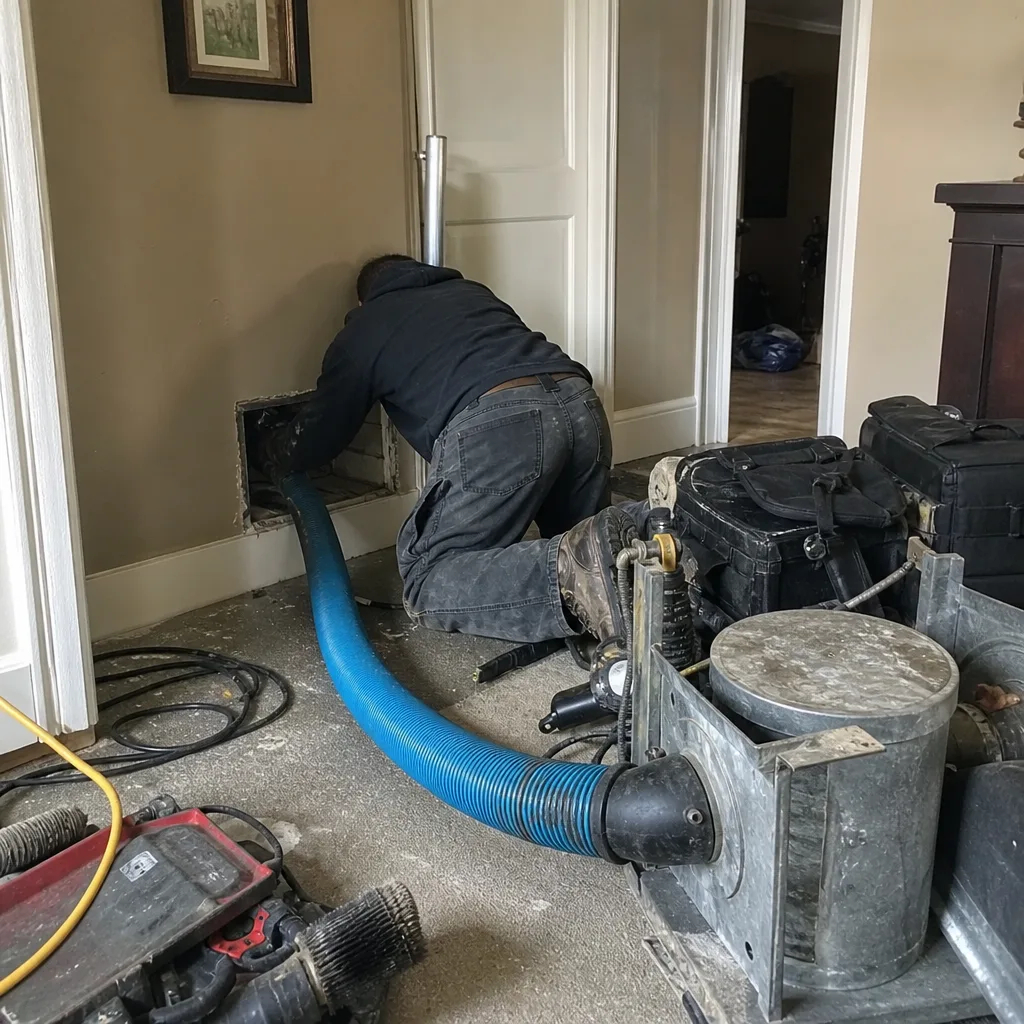 Before
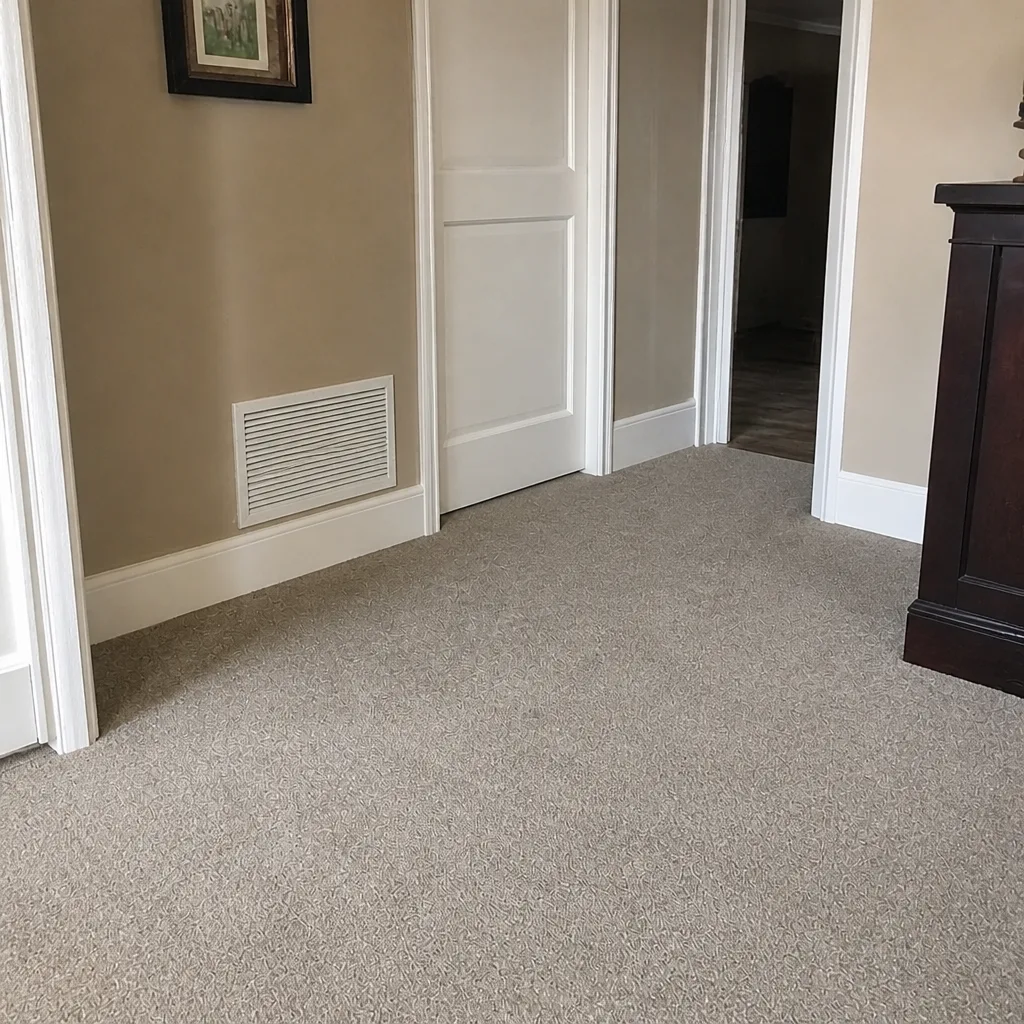 After
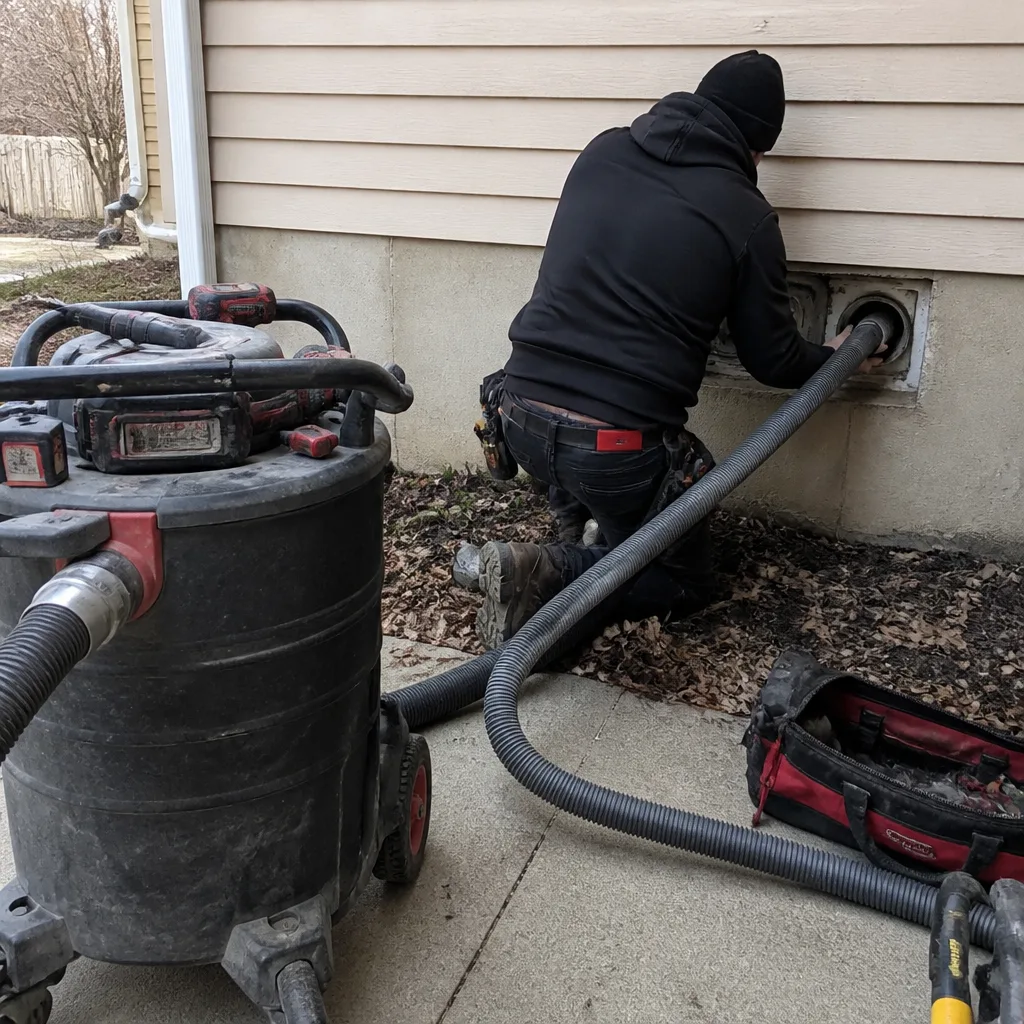 Before
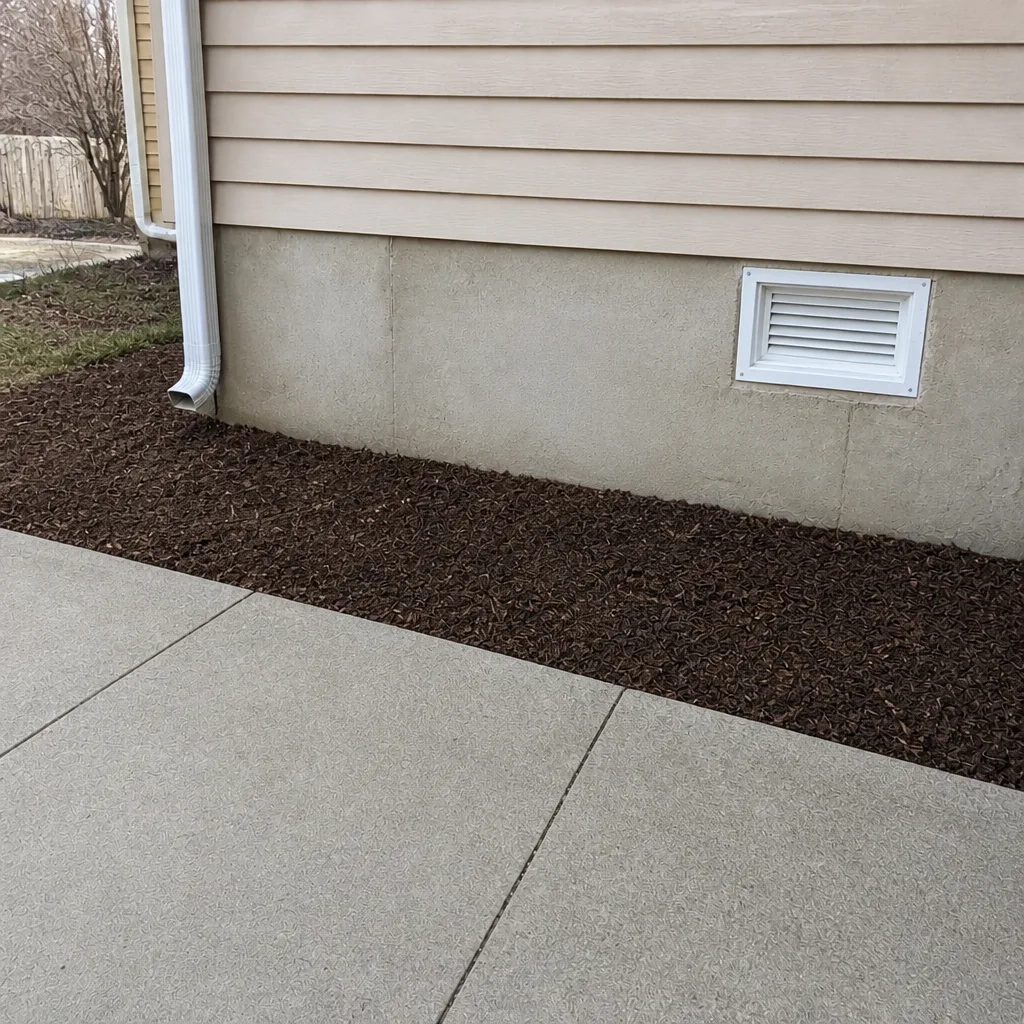 After
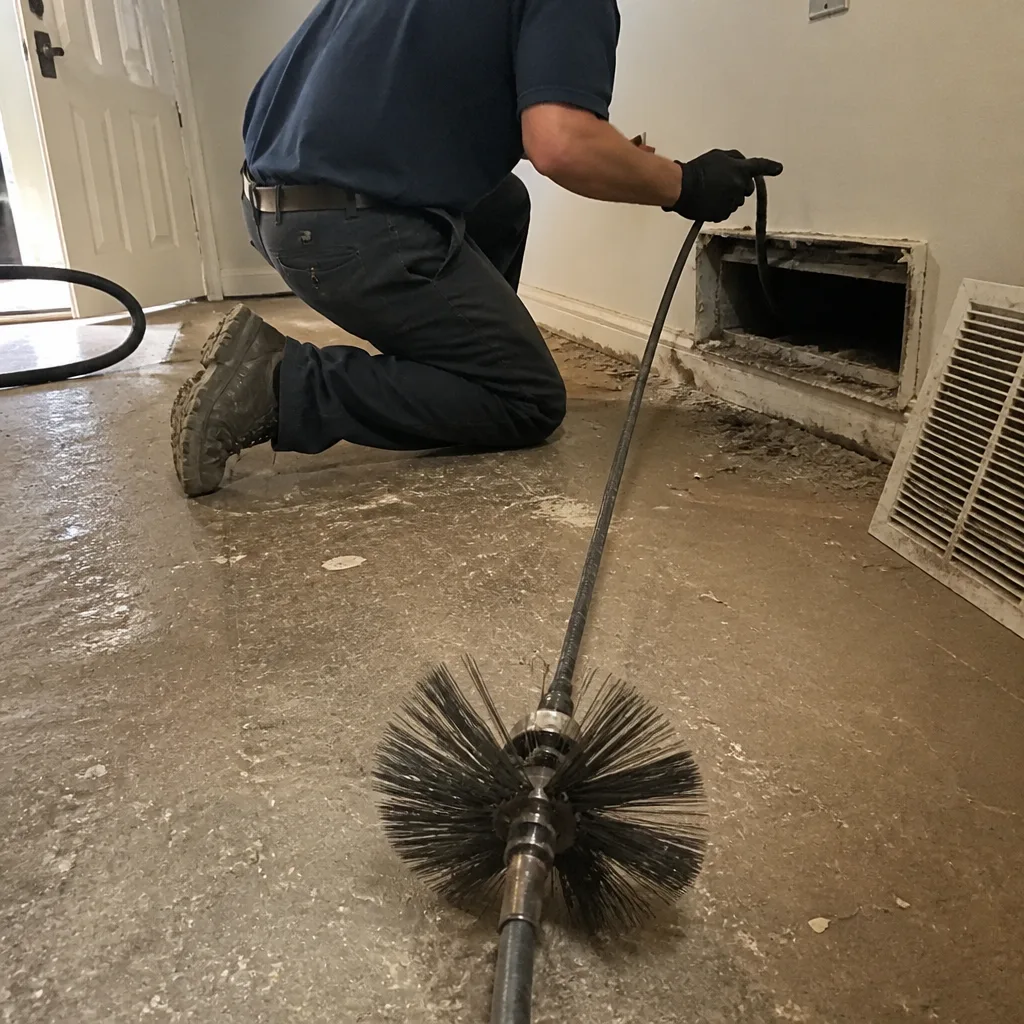 Before
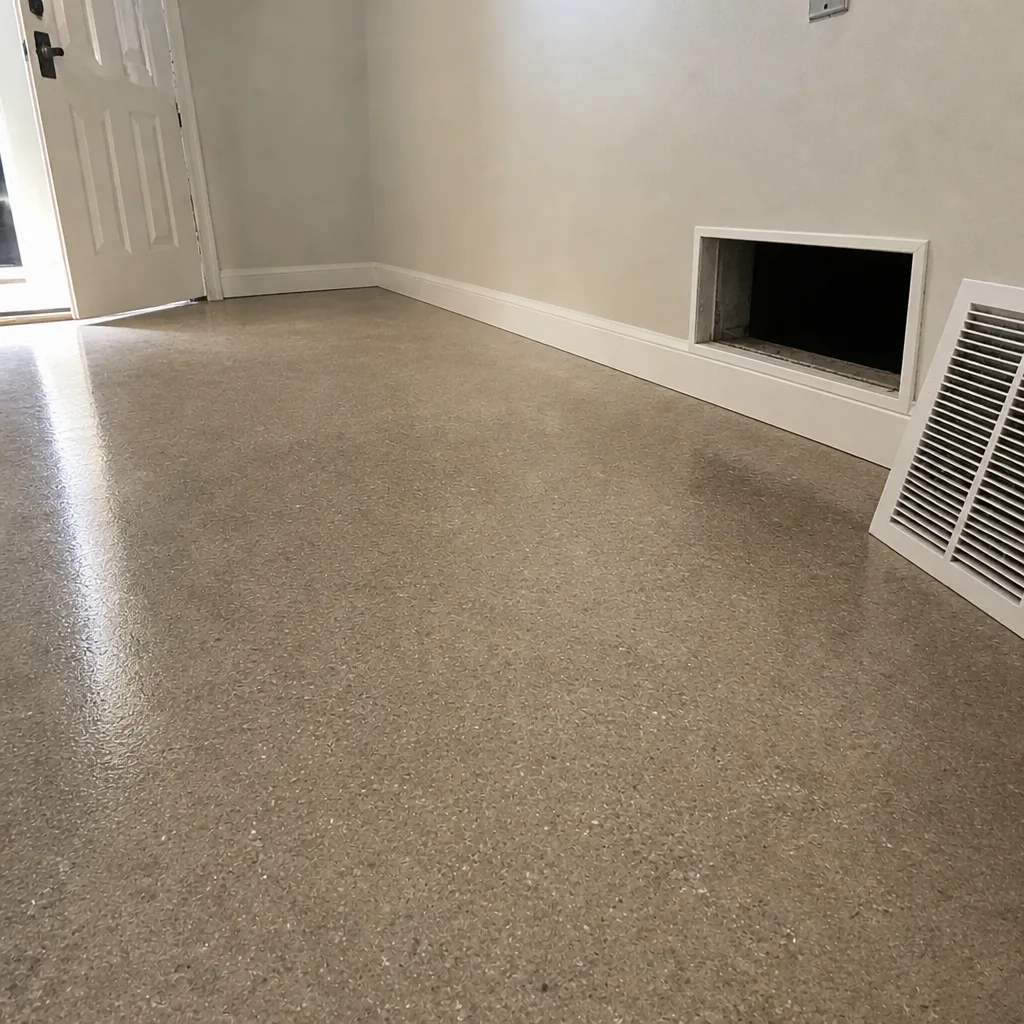 After
When to Call a Professional
There are moments when a duct cleaning contractor is a straightforward call, and others where you should slow down and get more information first. Call a professional when your ducts have never been cleaned and the home is several years old, when a renovation has stirred drywall dust through the system, when you’ve had moisture intrusion or a pest problem in the attic or crawl space, or when you’ve noticed dust returning to surfaces faster than usual and air flow is uneven room to room. A technician who can inspect the inside of the ductwork with a camera and explain what they find is doing work you can’t do yourself.
One important exception: if you suspect mold growth in the ducts, have the source of moisture addressed first. Cleaning ducts in a house with an active leak or high humidity re-creates the problem. Air quality and sanitizing is where restoration-grade products come in, and the right conversation begins with finding the moisture source rather than masking it. The same goes for a dryer vent that’s lost air flow; that’s a fire-safety concern, not a housekeeping one, and it belongs on the professional list.
Bountiful Air Duct Cleaning offers free estimates in Bountiful. Call (866) 947-9113 to schedule an inspection. We answer 24/7. Fast dispatch from 7am to 7pm, Sunday through Friday. The local pro is licensed and insured as their state requires, the price is agreed before work starts, and you’ll see before-and-after photos of your own ducts.
Frequently Asked Questions
A full-system cleaning with proper equipment typically runs several hundred dollars, and the written quote should set the final number before any work begins. The important part is what the price includes: the main trunk, all branch lines, the air handler area, and video verification rather than a per-vent count. A quote far below the typical range for a full Bountiful home is a sign the scope is short. Call (866) 947-9113 for an exact quote. Estimates are free.
Cheap quotes usually leave out the equipment and the time. Professional-grade rotary brush and negative-pressure vacuums cost real money to run, and a full-system job takes hours of labor. A low figure almost always means a shop vac and a surface pass at the registers, with no camera inspection and no containment. That isn’t a bargain, it’s a service that moves dust around. Call (866) 947-9113 for a straightforward quote that explains exactly what’s included.
Ask for before-and-after video of your own ducts, a written summary of what was found and cleaned, and a look at the air handler area after service. A credible crew documents the job because they can. In our experience, a company confident in the work is happy to show the footage. If a contractor can’t provide any record of the inside of your ducts, treat the job as unverified. Call (866) 947-9113 to schedule a free estimate.
Most homes don’t need it every year. A reasonable interval depends on the house: pets, recent renovation, moisture history, and how the system was installed all play in. Many homeowners find a cleaning every few years is plenty, while a home that just finished a remodel or had an attic pest issue may need it sooner. The right answer comes from an inspection, not a schedule. Call (866) 947-9113 for a free estimate and a look inside the system.
Yes. The work runs on the same equipment brands restoration and HVAC contractors use, including the Rotobrush rotary brush system and Nikro machines, with Abatement Technologies and Guardsman products for sanitizing. Filtration upgrades from Honeywell and Aprilaire are available where they make sense for the home. Professional-grade equipment, not consumer shortcuts, is the difference between cleaning the whole system and cleaning what’s within reach. Call (866) 947-9113 to book an estimate.
A single visit for both is usually the more efficient call, since a technician is already set up and can check the whole air pathway in one go. A clogged dryer vent is a safety concern, and finding it during a duct cleaning means it gets addressed before it becomes a bigger problem. Bountiful Air Duct Cleaning handles both under one roof, along with duct repair, HVAC cleaning, and sanitizing. Call (866) 947-9113 for a free estimate on the full scope.
The Bottom Line
Hiring a duct cleaning contractor in Bountiful comes down to three things. Verify the equipment: rotary brush and negative-pressure machines, not a shop vac. Verify the methodology: camera inspection, whole-system coverage, and disclosure of any sanitizing products. Verify the accountability: general liability insurance, a written quote that itemizes the scope, and before-and-after evidence you can actually see. Utah’s lack of a duct cleaning license puts all of that screening on you, but five technical questions and a careful look at the quote will separate the capable operators from the rest. Once you’ve chosen, a thorough job with the right tools produces air quality you can feel.
Written by the team at Bountiful Air Duct Cleaning.