
Last updated November 24, 2026
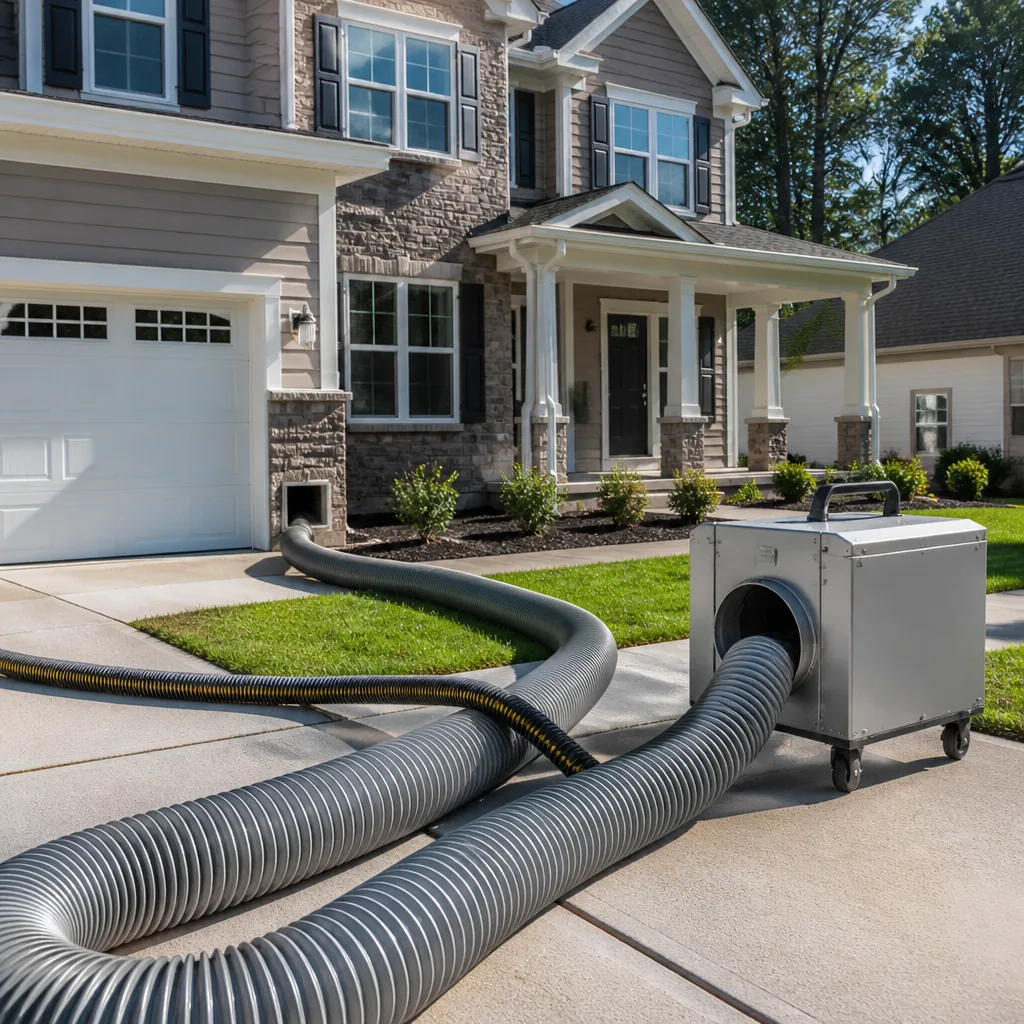 Whole-home duct cleaning
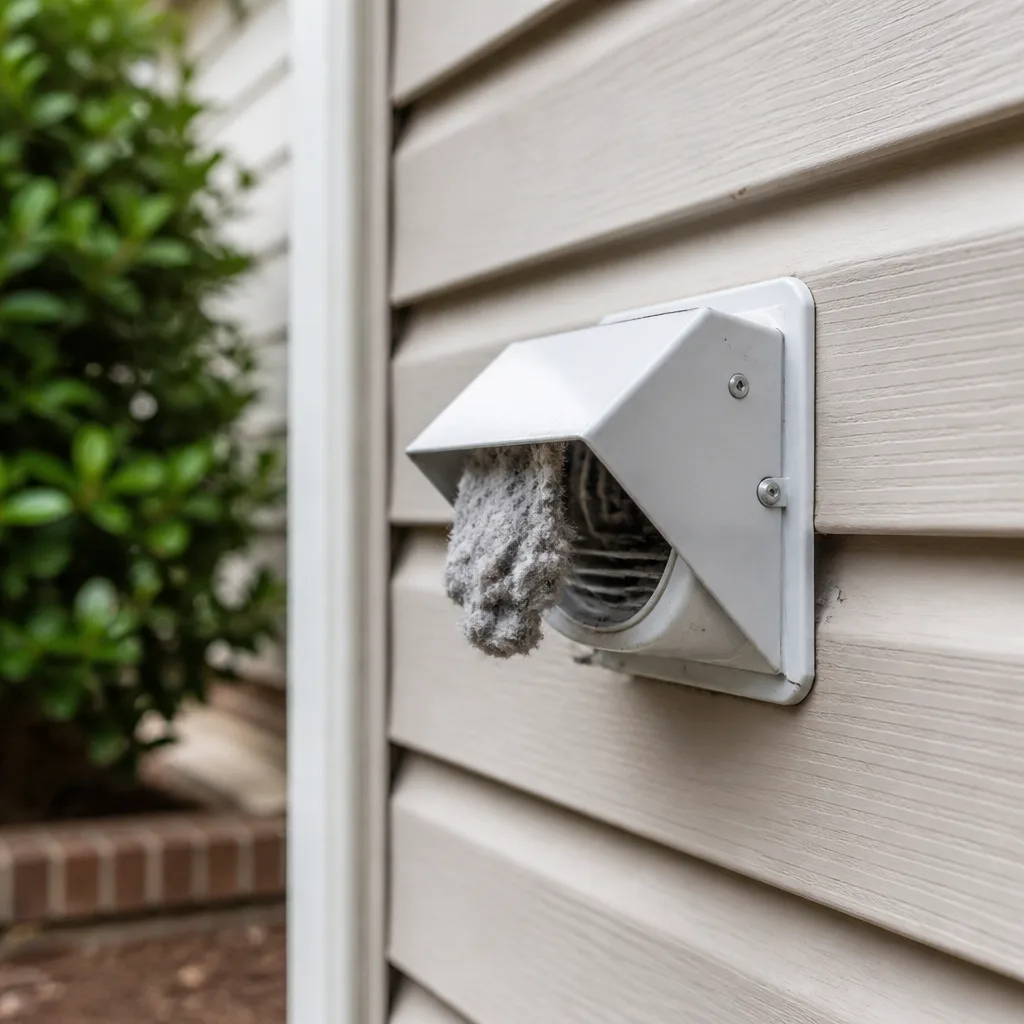 Dryer vent cleaning
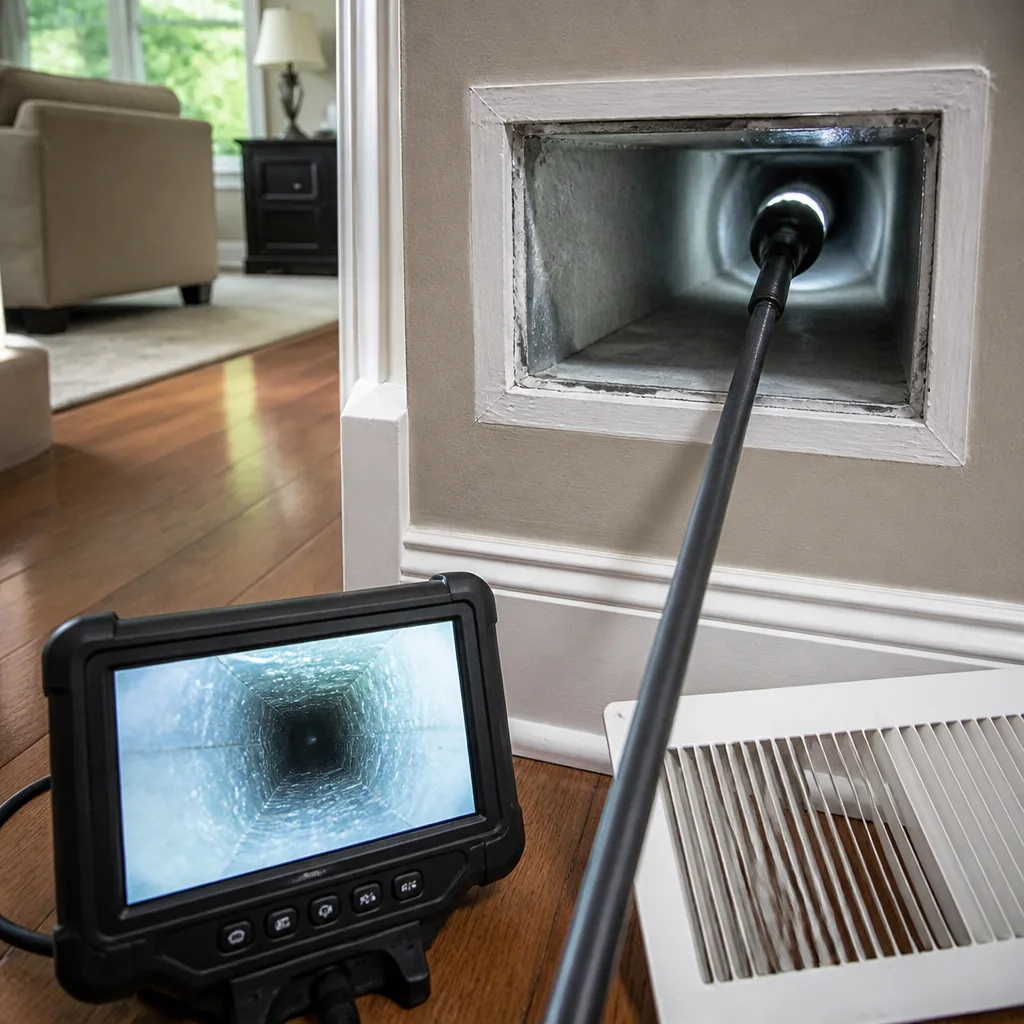 Camera inspection
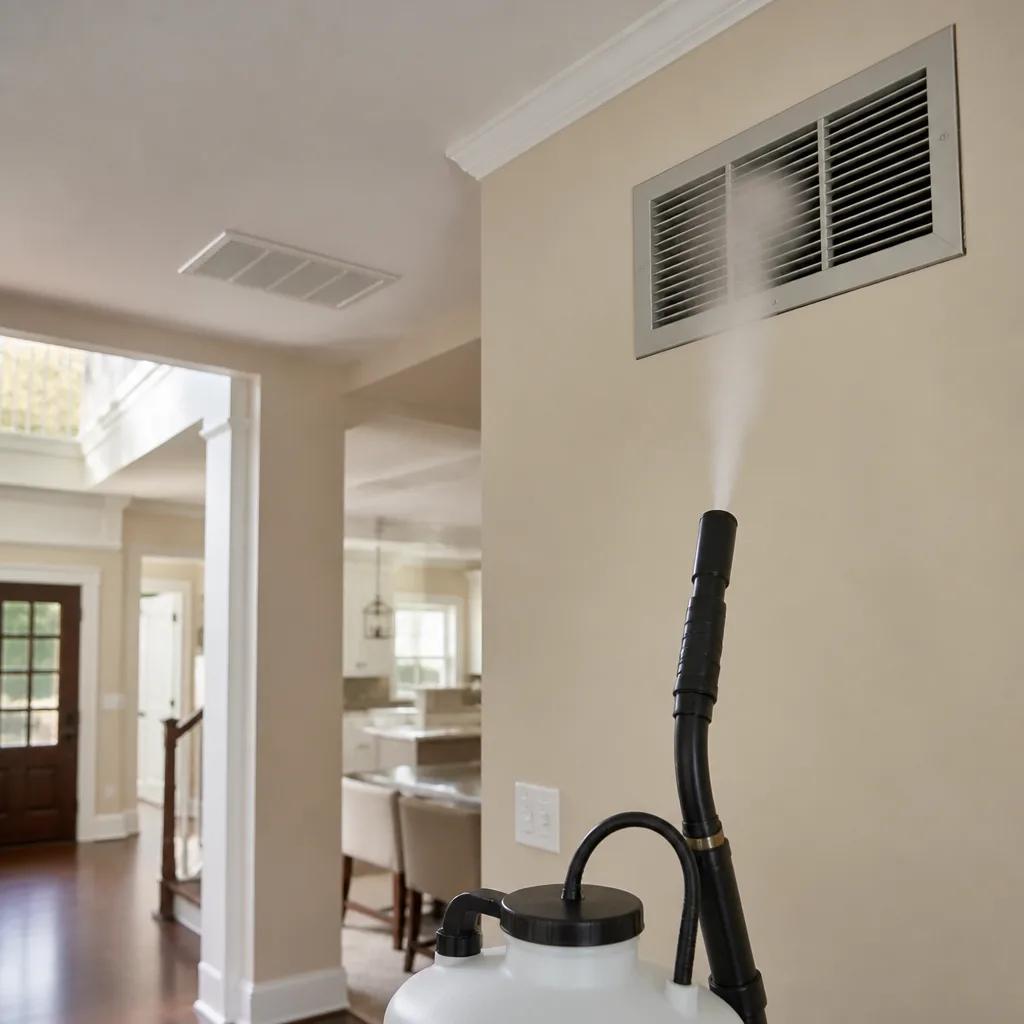 Sanitizing & deodorizing
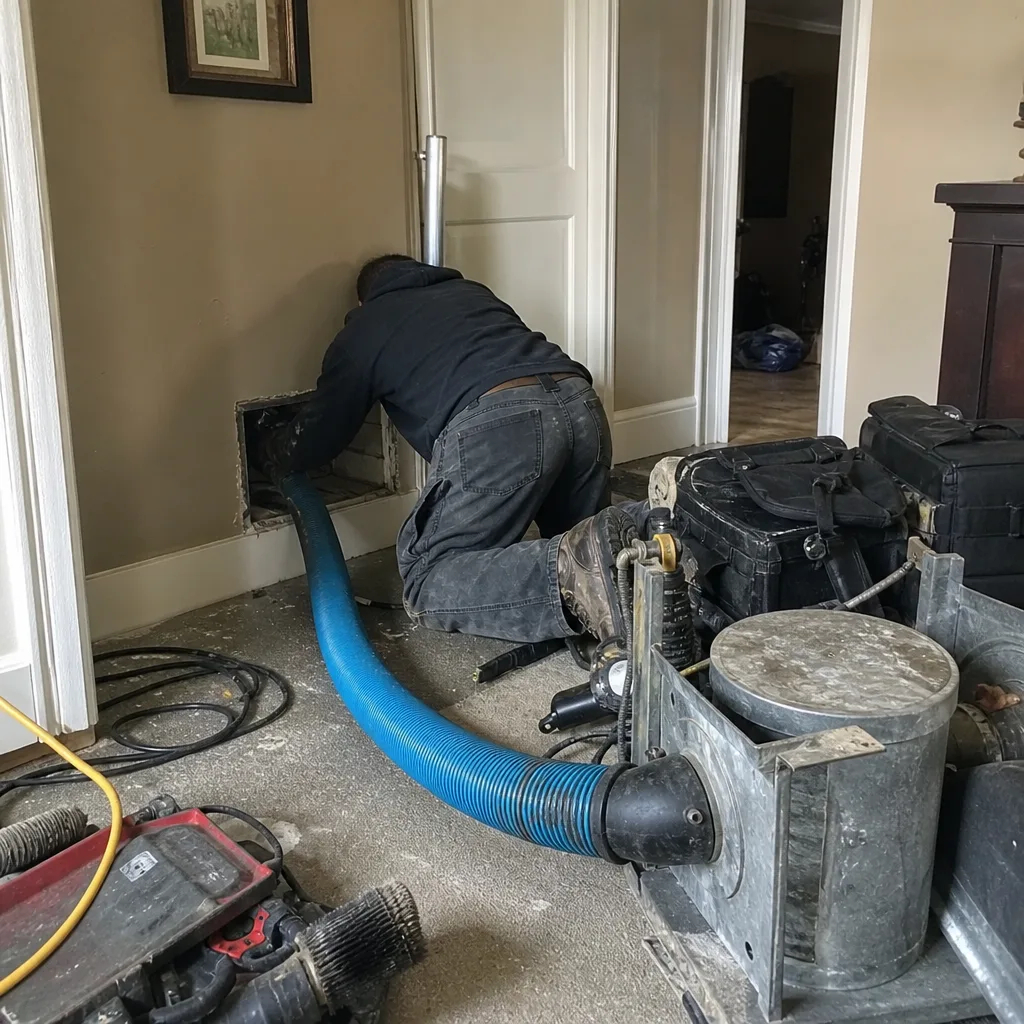
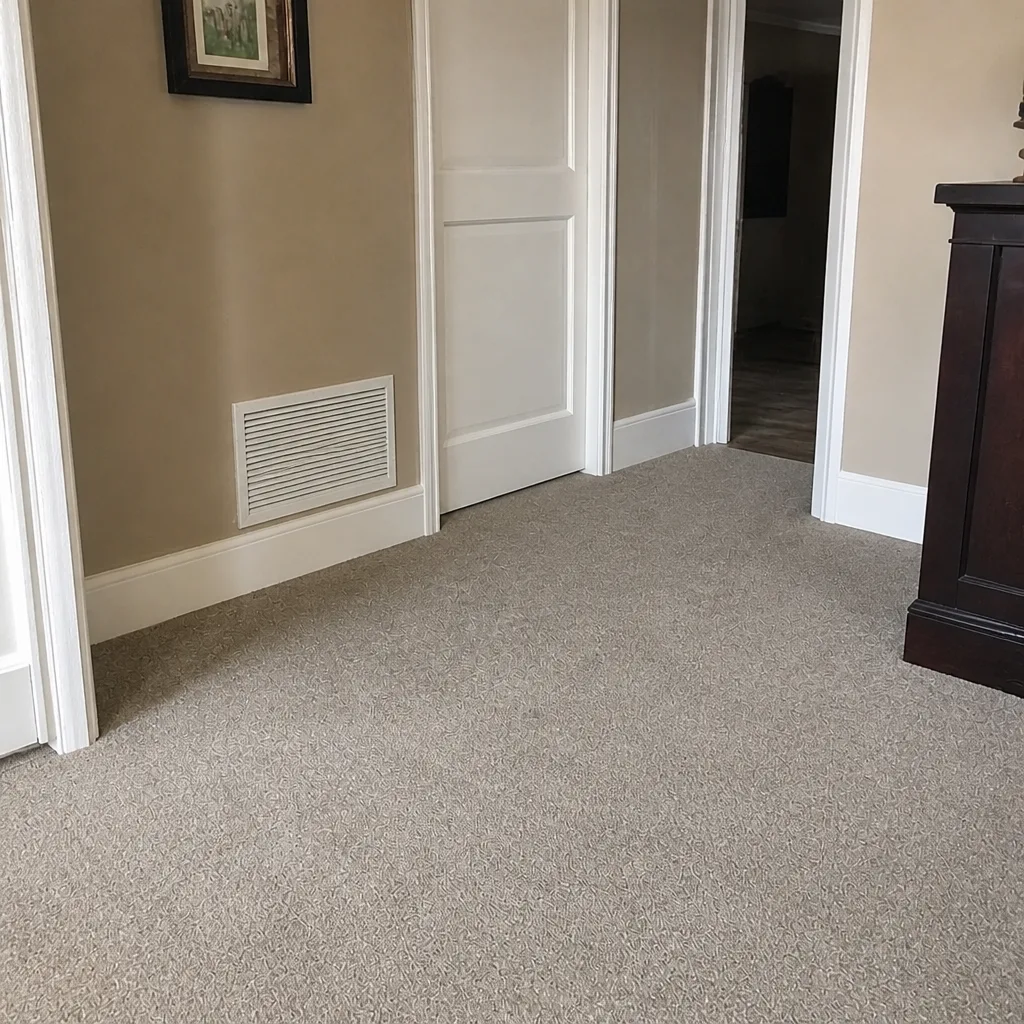
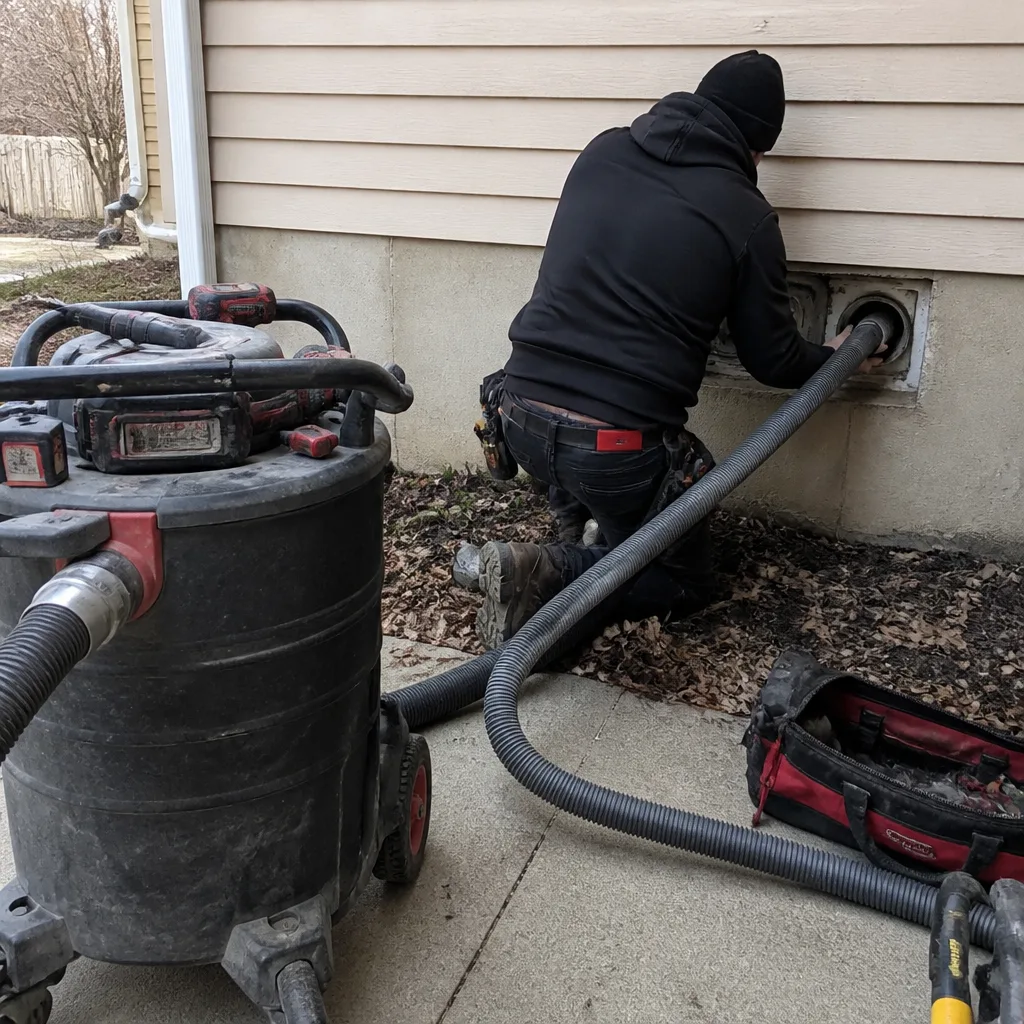
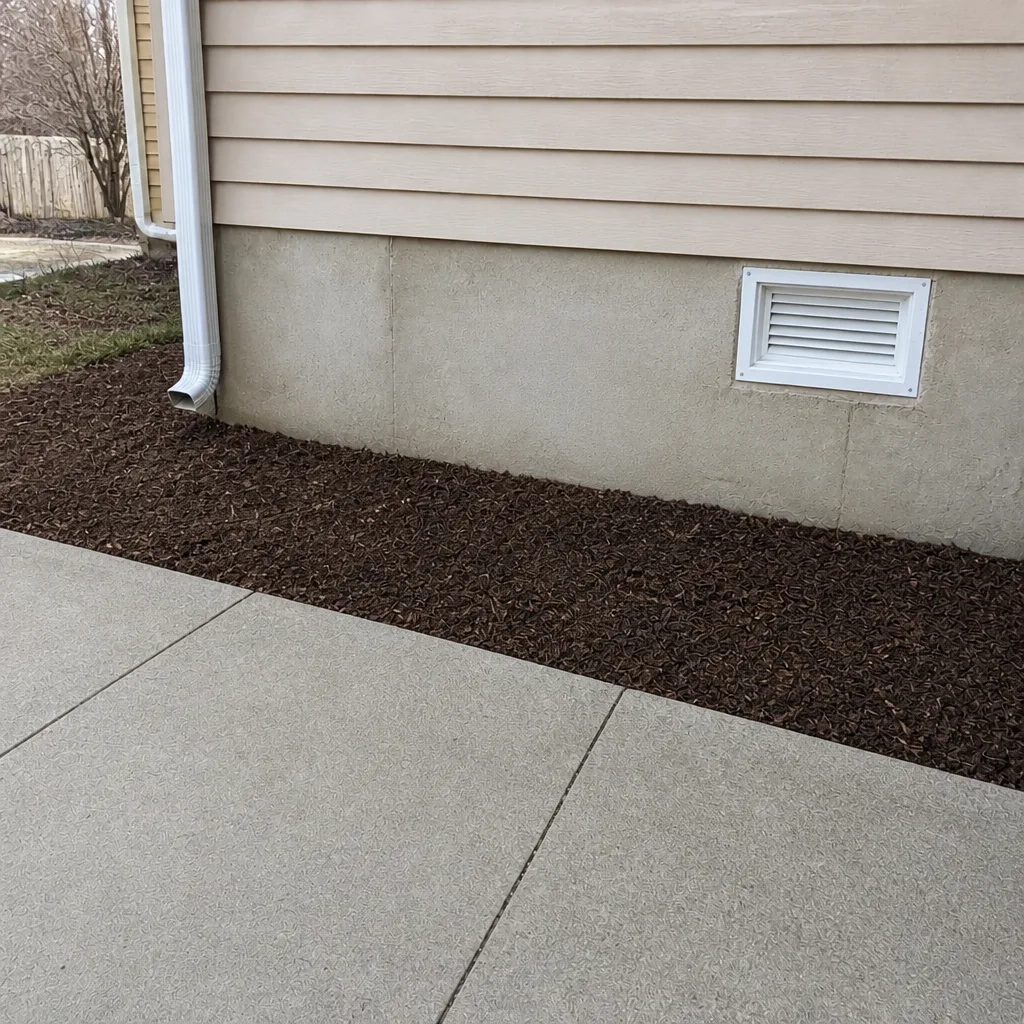
Whole-system duct and dryer vent check with before-and-after photos - you see exactly what came out of your vents
That "$99 whole-house special" is a bait ad - the real number appears once they are in your hallway, or the "clean" is a shop-vac at the register. We photograph the inside of your ducts before and after instead.
Seasonal Air Duct Cleaning Care for Bountiful: Year-Round Homeowner’s Guide
Most homeowners think duct cleaning is a once-a-decade chore you schedule when the vents look dusty. In Bountiful, that thinking misses what the air actually does to a home over twelve months. This valley doesn’t have one dirty season. It has four, and each one leaves a different kind of particulate sitting in your ductwork, your filter, and your blower. Winter concentrates inversion smog indoors. Spring drags in construction dust from every new build along the corridor. Summer pushes wildfire smoke through a filter that was never sized for it. Fall wakes a dormant furnace and redistributes everything that settled over the cooling season. This guide walks through each one, explains what it does to your system, and shows you how to build a cleaning calendar around Bountiful’s real risk cycle instead of a generic industry average.
Quick Answer
The best time for a primary duct cleaning in Bountiful is early spring, right after inversion season ends, because winter is when the most particulate accumulates indoors and spring is the first practical window to remove it before cooling season starts. Beyond that one anchor cleaning, the smartest schedule adds a pre-heating-season inspection in the fall, a filter change during active wildfire smoke, and a targeted check after any major construction near your home. Stack these around Bountiful’s four distinct seasonal loads and you’ll rarely look at your ducts and wonder whether they need attention.
Styles & brands we work with
- Whole-home duct cleaning
- Dryer vent cleaning
- Camera inspection
- Sanitizing & deodorizing
Table of Contents
- Why Bountiful’s Air Doesn’t Have a Single Bad Season
- Winter Inversions: The Case for a Spring Primary Cleaning
- Spring Construction Dust and the Windows-Open Window
- Summer Wildfire Smoke and Why MERV-8 Filters Fall Short
- The Fall Pre-Heating Checklist
- Building a Multi-Year Cleaning Schedule for Bountiful
- The Whole System, Not Just the Registers
- What a Homeowner Can Do Between Professional Visits
Why Bountiful’s Air Doesn’t Have a Single Bad Season
Bountiful sits on the east bench of the Wasatch Front, tucked under the mountains in a way that shapes its air quality year-round. The geography that makes this a beautiful place to live – the bench, the bowl, the rising terrain behind the city – is the same geography that traps air during winter inversions and funnels spring wind. That combination means particulate doesn’t just pass through. It settles.
During winter inversions, PM2.5 levels can exceed federal safety thresholds for days at a time. Every hour your HVAC runs, it’s pulling that particulate-laden air across your filter and into your duct system. Filtration catches a portion of it. The rest rides past the filter edges, coats the duct walls, and settles in the plenum where the blower and coil sit. A healthy filter is doing real work, but no filter is a wall.
Then the season changes. Spring brings construction dust from new builds in Bountiful’s growing corridors. Summer brings wildfire smoke from fires burning hundreds of miles away. Fall brings leaf debris, mold spores, and the first furnace ignition after months of dormancy. Each season deposits a distinct type of particulate: fine combustion particles in winter, mineral and drywall dust in spring, sub-micron smoke particles in summer, and organic debris in fall. Treating all of these the same way, on the same generic schedule, is how homes end up with a system that looks clean at the registers and isn’t.
We’ve seen this pattern across Bountiful homes for a simple reason: it’s the pattern the climate produces, not a matter of how well anyone maintains their house. The fix isn’t cleaning more often. It’s cleaning at the right time for the right reason.
Winter Inversions: The Case for a Spring Primary Cleaning
Winter is not the season to clean your ducts. It’s the season to understand that they’re accumulating material, and to plan the primary cleaning for when winter ends. Here’s why.
An inversion is a layer of warmer air sitting above colder air at the valley floor. It acts like a lid. The pollution that would normally rise and disperse gets held in place, and PM2.5 concentrations build day after day until a storm clears them out. Bountiful is on the bench, so it gets the worst of it: not just the trapped air from the valley but the particulate rolling down off the mountainside as well.
Indoors, the effect is quieter but just as real. Your HVAC system is drawing outdoor air through the return, running it across the filter, and then distributing it through the ducts. During a multi-day inversion, the filter loads faster than it would in clean air. Filters that would last three months in March can clog in six weeks in January. When the filter starts bypassing, particulate makes it into the ductwork and into the blower compartment.
Early spring is the window that matters. Inversion season usually ends when the first real storms come through and the atmosphere starts mixing again. Once that happens, you have a few weeks before cooling season starts and the system begins moving air constantly. That’s the ideal timing to get a full duct cleaning in Bountiful homes, because:
- You’re removing the accumulated winter load in one job, not letting it sit through another season.
- The ducts are dry and stable, without the summer humidity that complicates any moisture-related cleaning.
- You’re setting up the system for cooling season with clean components and a fresh start on filtration.
- If there are any leaks or separated joints that showed up over winter, you can catch them in the same visit.
One practical note: many Bountiful homeowners notice a stale or musty smell in the late winter months. That’s usually the accumulated particulate on the blower wheel and evaporator coil, not the ducts themselves. A whole-system cleaning catches both. A duct-only cleaning misses the smell entirely.
Spring Construction Dust and the Windows-Open Window
Bountiful has been growing steadily along its east-side corridors and up toward the bench, and every new build, remodel, or road project generates a specific type of problem for nearby HVAC systems: drywall dust, concrete dust, silica, and wood fiber. These particles are heavier than smoke, but they stay airborne longer than most people expect. During the windows-open weather that makes spring so pleasant here, they get pulled into return grilles along with the fresh air.
The problem is concentrated by two factors:
- Windows-open ventilation. As soon as the weather turns nice, homeowners open windows. Every open window near an active construction site is an intake.
- Heavy spring winds. The same mountain breezes that clear out winter air also lift settled dust off excavation sites and drive it against the sides of homes and into the return intake.
Drywall dust is particularly damaging because it’s fine and slightly alkaline. It adheres to duct walls, blower wheels, and coil fins, and once it settles, it doesn’t just sit there. It accumulates in a way that reduces airflow and gives the system something to build on over the cooling season. Concrete dust is worse: it’s abrasive, and in a system with a marginal blower, that matters over time.
How to Handle Spring Construction Dust
- Keep windows closed during peak excavation and framing hours if a build is happening on your street or two properties over. You don’t have to seal up the house, just avoid peak dust hours.
- Change the filter at the end of the construction phase, not on your usual monthly or quarterly schedule. Construction dust will load a filter faster than normal household use, and a filter that’s already clogged when construction ends stays clogged all cooling season.
- Check the return grilles and supply registers for a fine gray film. If you can wipe a finger along the inside of the grille and leave a visible line in the dust, the ducts probably need attention.
- Schedule a spring cleaning if the build was within a block. This is a case where a mid-schedule cleaning is genuinely worth it, even if you cleaned in the fall.
For homeowners considering filtration upgrades during this season, a higher-efficiency filter rated for fine particulate is usually the right move, and we can integrate Honeywell or Aprilaire filtration products alongside a cleaning so the system is set up correctly for what’s actually in the air. The filter has to match the system’s airflow rating. Overly restrictive filters on an undersized return can cause as many problems as they solve.
Summer Wildfire Smoke and Why MERV-8 Filters Fall Short
Wildfire smoke is not just the worst particulate you’ll see in Bountiful all year. It’s also the smallest. Smoke particles from a burning forest are mostly in the 0.4 to 2.5 micron range, with a significant fraction below 0.3 microns. A standard MERV-8 filter, which is what most Bountiful homes have installed, has a rated efficiency around 20 percent for particles in that size range. In plain terms, four out of five smoke particles pass straight through the filter and into the duct system.
This is why summers with active wildfire smoke produce a distinct cleaning need. The ducts aren’t visibly dirty in August, but they’re coated with a very fine film of combustion residue that the filter missed. That residue is what recirculates every time the system runs, and it’s also what produces the faint smoky smell that lingers in some homes well after the smoke clears outside.
There are three practical responses during smoke events:
- Run the system on low fan continuously with a higher-efficiency filter if your system supports one. This increases filtration time and keeps air moving through the filter rather than settling into the ducts.
- Close windows and doors during active smoke events, and think of every open window as an unfiltered air intake. Even a crack is a leak.
- Do not run bathroom or kitchen exhaust fans any more than necessary during heavy smoke, because they pull filtered air out and pull unfiltered air in through gaps.
What a Post-Smoke-Season Cleaning Should Cover
When smoke season ends, usually in early-to-mid fall, a cleaning needs to go beyond the ducts. The finest smoke particles coat the blower wheel, the evaporator coil, and the inside of the main trunk line. A professional-grade system like the Rotobrush rotary brush setup reaches the full length of the ducts and uses high-volume negative pressure to prevent redistribution during cleaning. Just as important is the sanitizing step at the end of the job, which treats contaminants that mechanical cleaning alone can’t remove. This is where professional tools earn their keep: a shop vac at the registers doesn’t touch the plenum, and a disinfectant spray over visible dust doesn’t treat what’s already in the airstream.
If anyone in your household has asthma or allergies, a post-smoke cleaning in Bountiful is one of the highest-impact things you can do for the coming year. The ducts carry the residue of every smoke day, and any time the system runs, that residue goes back into the air.
The Fall Pre-Heating Checklist
Every fall, before you turn the furnace on for the first time, there’s a real opportunity to prevent the first-day dust problem. The system has been sitting through cooling season. The ducts have collected whatever settled on them, and the blower has been quiet. When the furnace kicks on that first cold morning, it moves all that settled material into the air simultaneously. Some homeowners notice a “burning dust” smell on the first heat-up. That’s the feeling of a season’s worth of accumulation being redistributed.
The Bountiful Pre-Heating Inspection Checklist
- Replace the filter before first ignition. Don’t wait for the first cold snap. Do it in September so the system starts clean.
- Look at the supply registers before turning on the furnace. Shine a light into one or two. If there’s visible settled dust on the register grilles, that dust is what the first heat cycle will lift.
- Check the return grille filter housing. A loose or improperly sized filter lets particulate bypass the filter entirely across the cooling season.
- Walk the visible duct runs. Any disconnected joints, sagging flex runs, or torn insulation are places where unfiltered air enters the system. Seal these before the heating season.
- Verify the flue and vent connections on a fossil fuel furnace before ignition. This is not a DIY job, and if anything looks off, call a licensed HVAC professional before you turn the system on.
- Consider the whole system, not just the ducts. The blower wheel, coil, and drain pan are all part of the air pathway, and HVAC cleaning in Bountiful homes during fall catches them before the heating season starts.
Fall is also the right moment to think about duct repair and sealing. Any leak in the duct system that you seal before winter reduces the amount of unfiltered attic or crawl space air the system pulls in during the heating season. It’s not just an efficiency story; it’s an air quality story. A 90 percent sealed duct system is a fundamentally different indoor air environment than an unsealed one, especially when the outside air is carrying the worst PM2.5 of the year.
Building a Multi-Year Cleaning Schedule for Bountiful
The generic industry advice is a duct cleaning every three to five years. That advice exists because it’s a safe middle for the average climate and the average home. Bountiful’s seasonal load is above average on particulate, and that changes the math. Here’s how we’d schedule it for a typical single-family home along the bench.
Year One: Baseline the System
- Early spring: full duct cleaning after inversion season ends. Include the blower wheel and coil in the same visit.
- Late summer or early fall: filter replacement after smoke season; inspection of any visible duct joints and return intakes.
- October: pre-heating inspection, filter check, register check.
Year Two: Maintain and Address Leaks
- Early spring: full-system check. If the ducts were cleaned well the year before and filtration is holding up, this may be a lighter inspection rather than a full cleaning.
- Fall: if the previous cleaning revealed leaks or disconnected runs, get them sealed before heating season this year. Duct repair and sealing can usually be handled in the same visit as a cleaning.
Year Three: Full Cycle
- Early spring: full duct cleaning. By now the system has taken three winter particulate loads and two smoke seasons. This is the point at which a standard Bountiful home benefits most from a thorough cleaning.
- Fall: repeat the pre-heating checklist.
Adjust this schedule upward if any of the following apply:
- You live within a block of active construction. Add a mid-summer cleaning after the worst construction phase.
- Anyone in the home has asthma, allergies, or another respiratory condition. Shorten the cycle to every two years.
- You have pets that shed heavily. Pet dander is fine enough to behave like smoke particulate; add a filter change at mid-season.
- Your system has visible leaks or disconnected runs. Seal them before trying to keep to a schedule, or you’re cleaning ducts that keep getting refilled.
- The home is older and ductwork is visible flex runs. Older flex duct is prone to interior degradation, and small amounts of material can enter the airstream over time.
This is what a schedule built around Bountiful’s real seasonal cycle looks like. It’s not dramatically more expensive than the generic advice, and it catches the two highest-particulate seasons in the same windows that matter.
The Whole System, Not Just the Registers
There’s a reason we keep coming back to the whole pathway rather than the ducts alone. A duct system is one part of an air-handling ecosystem, and each part contributes to what comes out of your vents.
- Ductwork: the network of trunks, branches, and flex runs that carries conditioned air. This is what most people picture as “duct cleaning,” and it’s important, but it’s only the visible part.
- HVAC unit: the blower wheel, evaporator coil, and drain pan. This is where the air is moved and where the most accumulation happens. A cleaning that skips these components leaves the worst of the load in place.
- Dryer vent: a separate system, but the same thermal environment. Dryer vents carry lint past indoor air and are a documented fire risk when they block. Yearly dryer vent cleaning in Bountiful homes keeps the system clear.
- Filtration: the filter interface between the return and the system. A correctly sized, appropriately rated filter is your first line of defense against Bountiful’s seasonal particulate loads.
- Sanitizing: the post-cleaning surface treatment that addresses what mechanical cleaning can’t reach. Restoration contractors use the same Abatement Technologies and Guardsman product lines when a job calls for contaminant control.
We bring professional-grade equipment to this work because the quality of the cleaning depends on it. The Nikro line is what commercial and restoration contractors use. The Rotobrush rotary brush system reaches the full length of the ducts instead of just the first few feet visible from the register. High-volume negative pressure holds the dust inside the vacuum so it doesn’t become airborne in your hallway. This isn’t a sales point; it’s the difference between removing the accumulated particulate and redistributing it.
When the job calls for filtration upgrades, we install and service Honeywell and Aprilaire product lines so the filter capacity matches the actual load the home faces. A Bountiful home that runs a marginal filter through inversion season and then wildfire season is a home that keeps a few seasons’ worth of fine particulate in its duct system at all times. The right filter changes that math.
What a Homeowner Can Do Between Professional Visits
There’s a meaningful amount a homeowner can do between cleanings, and there’s a meaningful amount they shouldn’t try. Here’s the practical split.
What you can do
- Change the filter on a schedule that matches the season, not a fixed month count. More often in winter and during wildfire smoke, less often in mild weather.
- Vacuum register grilles from the room side with a brush attachment. This won’t clean the ducts, but it keeps loose dust out of the room during periods between cleanings.
- Keep return paths clear. Furniture, rugs, and drapes over a return grille reduce airflow and make the system work harder without improving filtration.
- Watch for the small signs that point to a leak or disconnect. Cooler air than expected at the register, visible dust streaks at joints, or a whistling sound are all worth investigating.
- Routinely clean the dryer lint trap and inspect the exterior vent flap for lint buildup.
What you shouldn’t try
- Opening up the ductwork or entering the attic to clean runs yourself. Duct systems are rarely built for homeowner access, and the risk of damaging insulation, flex runs, or gas appliances nearby isn’t worth the attempt.
- Removing or adjusting the blower wheel or evaporator coil covers. These components require trained handling, and touching gas appliance connections during this work is a real safety concern. A licensed professional should handle anything involving the furnace or the coil.
- Spraying disinfectants or foggers into the duct system. Without prior cleaning and without controlled application, this pushes contaminants into the airstream rather than removing them.
- Pulling the filter and expecting to “see if it was doing anything.” The filter is doing its job when it looks dirty; running without it lets the dust straight through.
Common Mistakes to Avoid
- Scheduling a cleaning only when the vents look dusty. Visible dust at the register is the last stage of an accumulation problem, not the first sign of one. By the time it shows, the ducts have been picking up particulate for at least one full season.
- Treating every season the same. A cleaning in October misses the inversion load that’s coming in winter, and a cleaning in July misses the smoke season buildup. Timing the cleaning to Bountiful’s risk calendar matters more than how often you clean.
- Replacing the filter on a fixed calendar. The three-month rule works for average conditions. During a real inversion or an active wildfire, a filter can clog in half that time. Check it monthly during heavy particulate events and replace whenever it loads.
- Assuming the ducts are clean because a previous owner said so. Duct cleaning records rarely travel with a home. If you don’t know when the last real cleaning happened, treat the system as unverified until a professional’s scope camera or inspection says otherwise.
- Skipping the coil and blower. Most of the accumulation is in the HVAC unit, not the visible ducts. A cleaning that doesn’t include the coil, blower wheel, and drain pan leaves the primary contaminant reservoir untouched.
- Opening windows during construction. Spring construction dust is one of the most avoidable particulate events of the year, and every open window near an active build is a direct intake for drywall and concrete dust.
- Ignoring small leaks to save the effort. A disconnected joint in a duct run is a permanent hole where unfiltered attic or crawl space air enters the system. Sealing those leaks once is cheaper than cleaning the ducts every year to make up for them.
See the difference
 Before
 After
 Before
 After
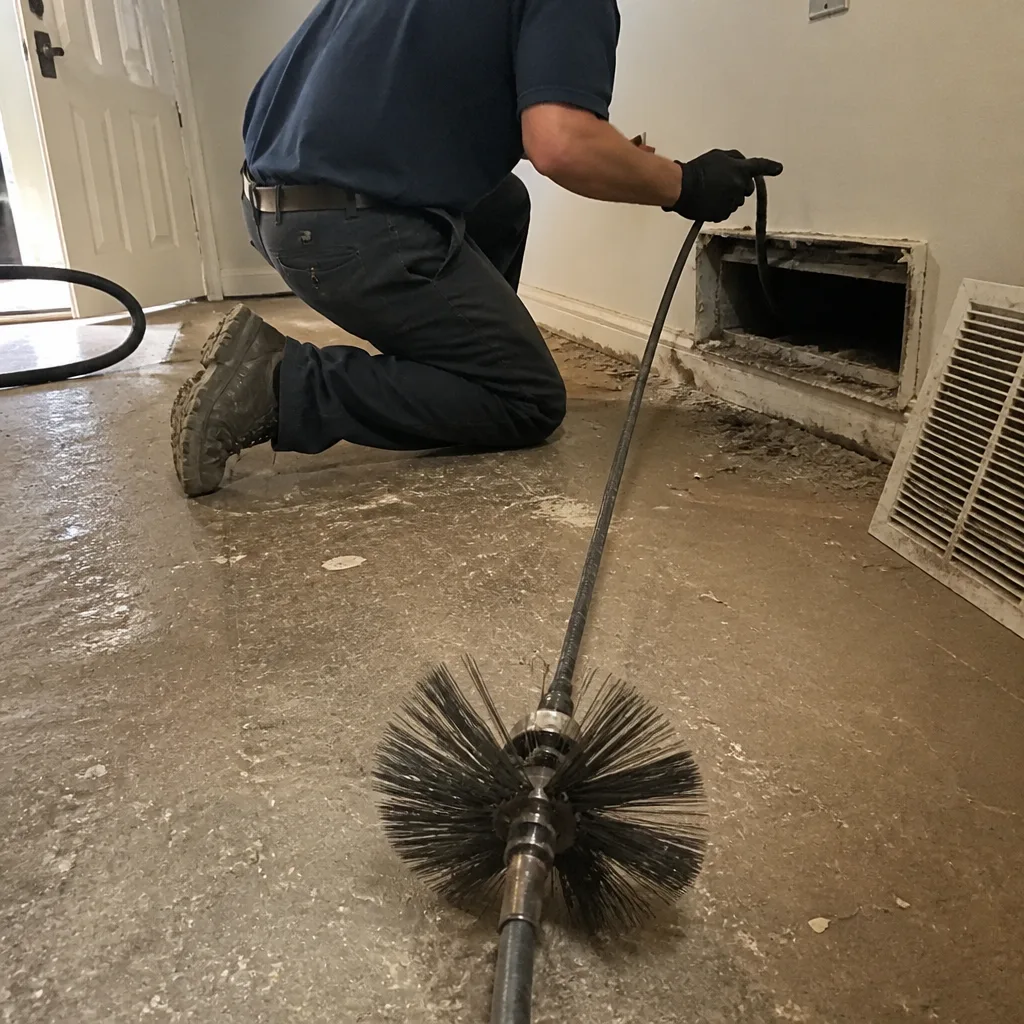 Before
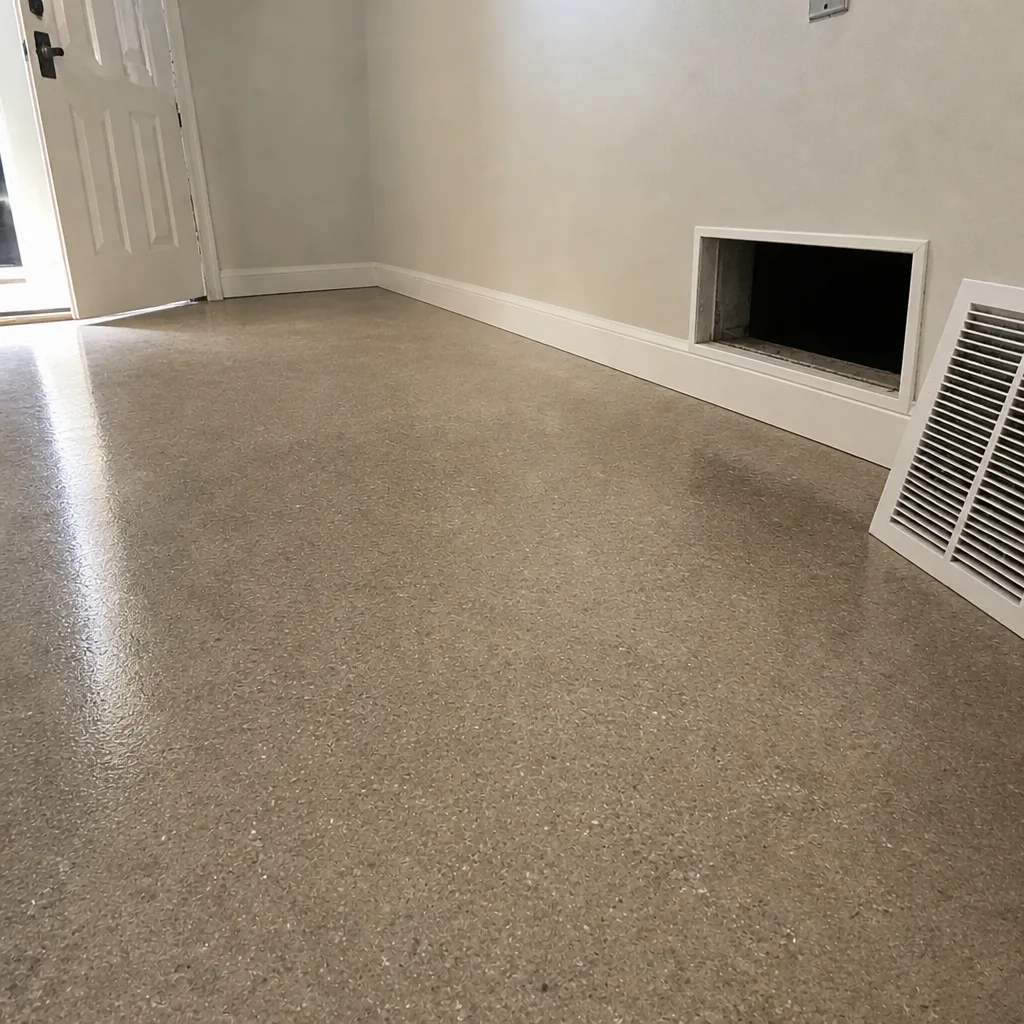 After
When to Call a Professional
Between scheduled cleanings, there are clear cases that call for professional attention. If you notice visible dust on the supply register grilles across more than one room, that’s a signal the ducts need a full cleaning rather than a quick filter change. If anyone in the house has been experiencing new allergy symptoms, or a musty or smoky smell lingers even when the windows are closed, the fix is usually a whole-system cleaning rather than an air freshener. If you’ve recently had construction nearby, or you’ve just moved into a home where you don’t know the last time the ducts were serviced, schedule an inspection. If a winter inversion or a summer wildfire has just cleared, that’s a natural trigger for a cleaning as well. And any visible signs of disconnected ductwork or tears in flex runs should be looked at right away, because those are the exact places where unfiltered air enters the system.
Bountiful Air Duct Cleaning offers free estimates in Bountiful. Call (866) 947-9113. We answer 24/7. Fast dispatch from 7am to 7pm, Sunday through Friday.
Frequently Asked Questions
Every two to three years is a realistic interval for most Bountiful homes, shorter than the national three-to-five-year average because winter inversions and summer wildfire smoke add more particulate load than a standard climate would. Homes near active construction or with residents who have respiratory conditions should clean every two years, and often a mid-schedule cleaning is worth adding after a heavy construction phase or a particularly severe wildfire season. Call (866) 947-9113 for an exact quote; estimates are free.
Early spring is the best primary cleaning window in Bountiful because it comes right after the winter inversion season, when the accumulation is at its highest, and just before cooling season when the system will move constant air. Fall is the better window for a secondary inspection because it catches what smoke season left behind and prepares the system for first furnace ignition. If you only do one cleaning per cycle, choose spring.
Yes. During winter inversions in the Bountiful area, PM2.5 concentrations build over multiple days, and every hour your HVAC runs it draws outdoor air across the filter. A properly sized and sealed filter catches most of it, but the fine particulate that bypasses or accumulates over a long inversion season settles in the ductwork and on the blower. That accumulated material is what a spring cleaning is designed to remove.
Yes, a substantial fraction of it does. MERV-8 filters have rated efficiency around 20 percent for particles in the sub-2.5 micron range, which is where most wildfire smoke sits. That means roughly four out of five smoke particles pass through the filter into the system. A higher-efficiency filter with the right airflow rating helps, and a professional cleaning after smoke season removes what got past the filter.
A whole-system cleaning includes the supply and return ductwork, the blower wheel, the evaporator coil, and the drain pan, plus the filter housing. Professional-grade equipment like the Rotobrush rotary brush system is used to reach the full length of each run, and high-volume negative pressure keeps the removed material from becoming airborne in the home. A sanitizing step with professional air quality products follows the mechanical cleaning. Duct repair and sealing can be added to the same visit if leaks or disconnections are found.
Filter changes are essential and you shouldn’t stop them. But filters are a first-line defense, not a substitute for cleaning. Over multiple seasons, the fine particulate that passes the filter accumulates in the ducts and on the blower, and no filter change removes that accumulation. Cleaning removes what’s already there. Both matter, and they do different jobs. Call (866) 947-9113 for an exact quote; estimates are free.
The Bottom Line
Bountiful’s air quality cycles through four distinct loads each year – winter inversion smog, spring construction dust, summer wildfire smoke, and fall accumulation before the first furnace ignition – and each one deposits a different kind of particulate in your duct system. A generic cleaning schedule can’t account for that. Build your calendar around the seasons: a primary cleaning in early spring when winter’s accumulation is highest, a filter check and inspection across smoke season, and a pre-heating checklist before the furnace kicks on in fall. Add duct repair and sealing wherever the system has leaks, and size the filtration to what your home actually breathes. Keep the filter honest through the year and let the professional cleanings handle what the filter can’t. That’s the pattern that works in Bountiful.
For a full-system indoor air assessment, or to schedule a cleaning, Bountiful Air Duct Cleaning offers free estimates at (866) 947-9113. We answer 24/7. Fast dispatch from 7am to 7pm, Sunday through Friday. Whether you’re calling for air duct cleaning, checking a dryer this spring with dryer vent cleaning, or scheduling a pre-heating HVAC cleaning, we can walk through the scope over the phone and set a time that fits your season. Professional-grade equipment, whole-system coverage, and a written estimate before any work starts.
Written by the team at Bountiful Air Duct Cleaning.