
Last updated November 24, 2026
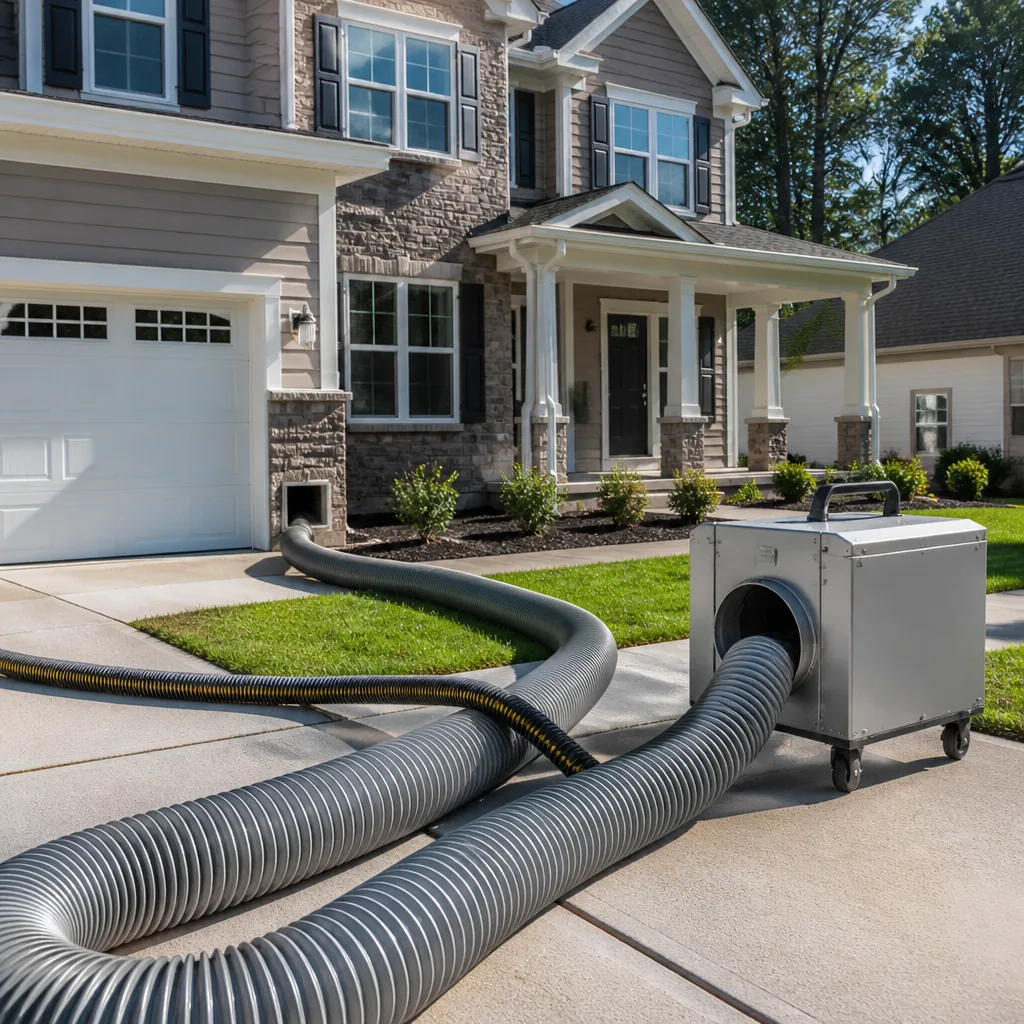 Whole-home duct cleaning
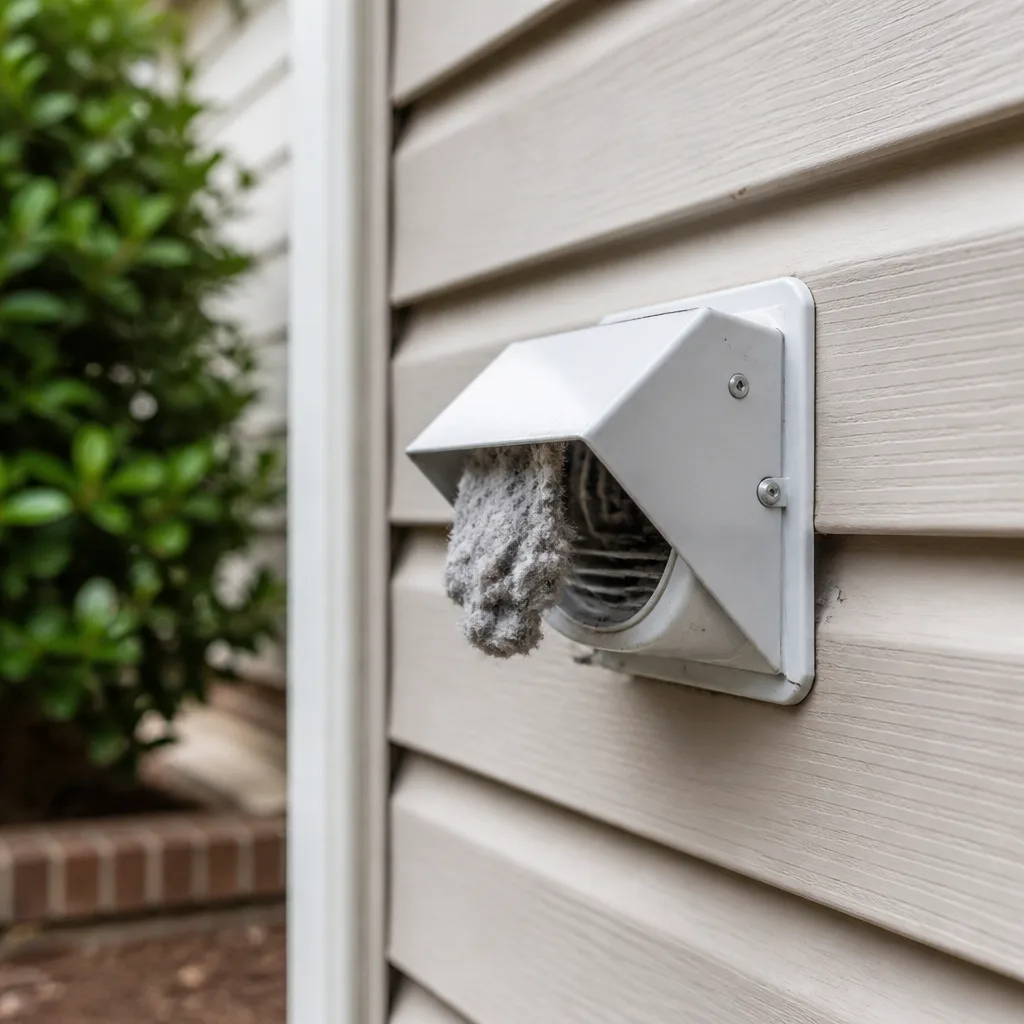 Dryer vent cleaning
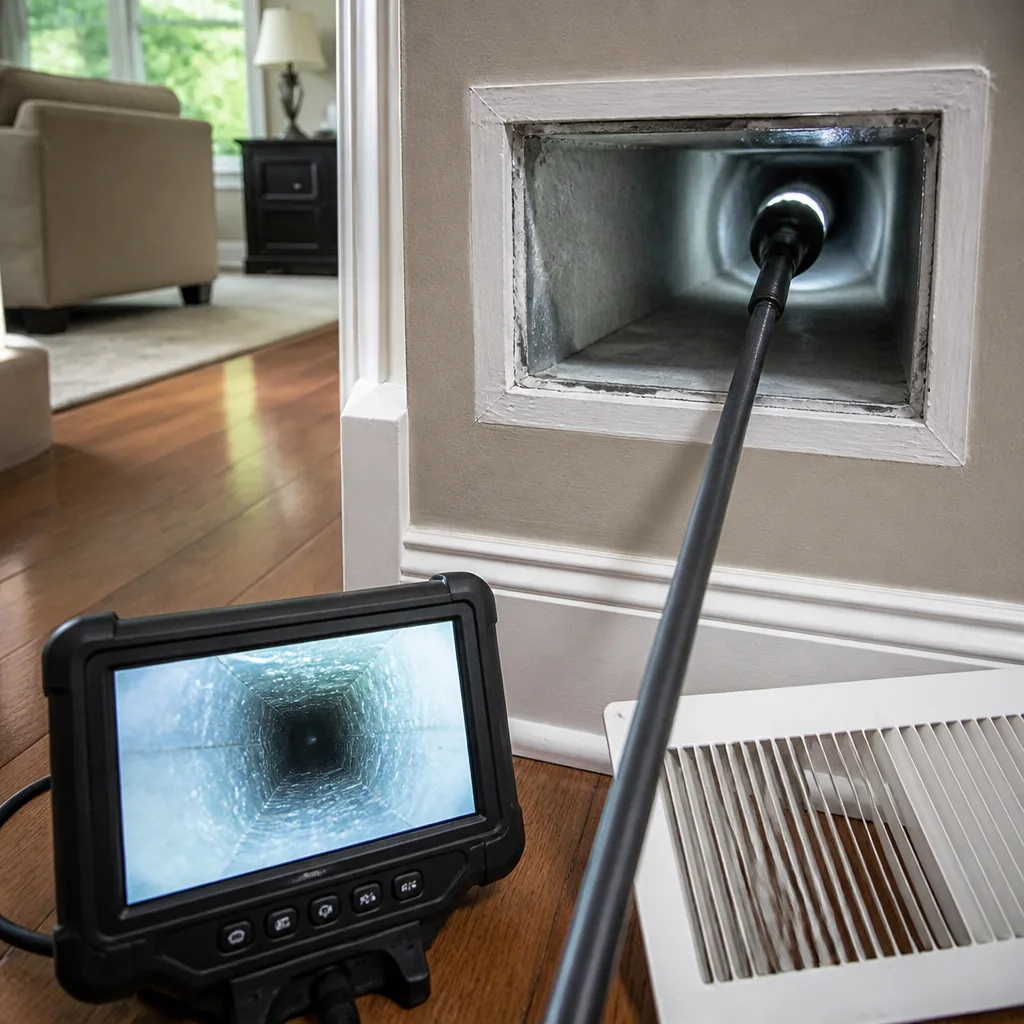 Camera inspection
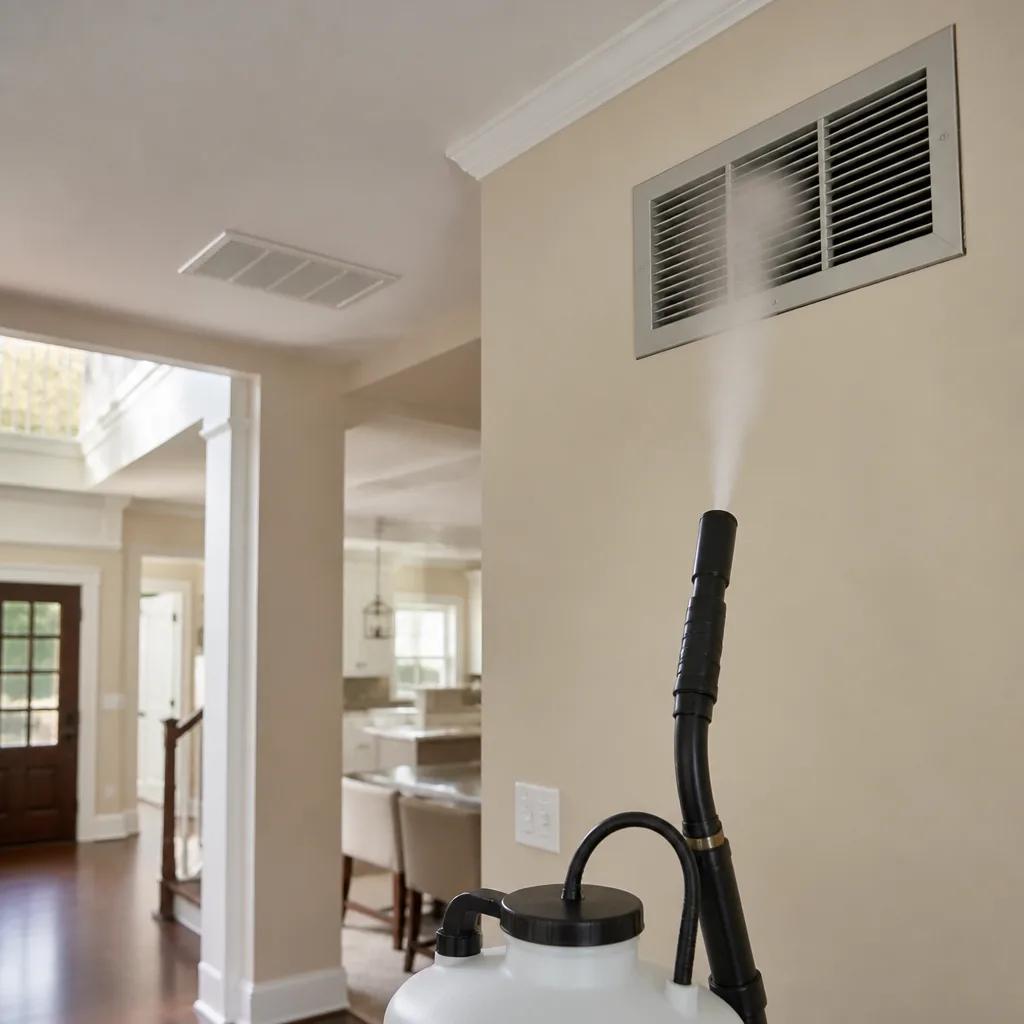 Sanitizing & deodorizing
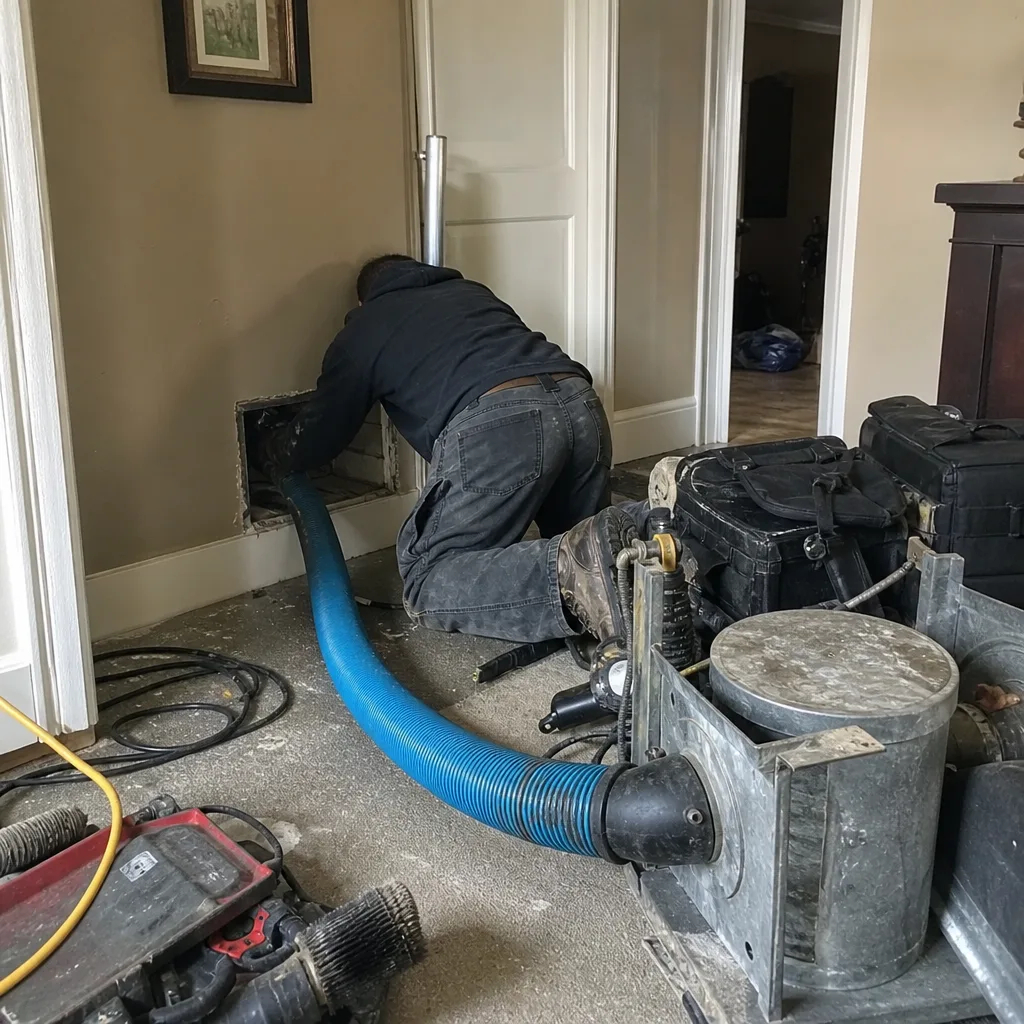
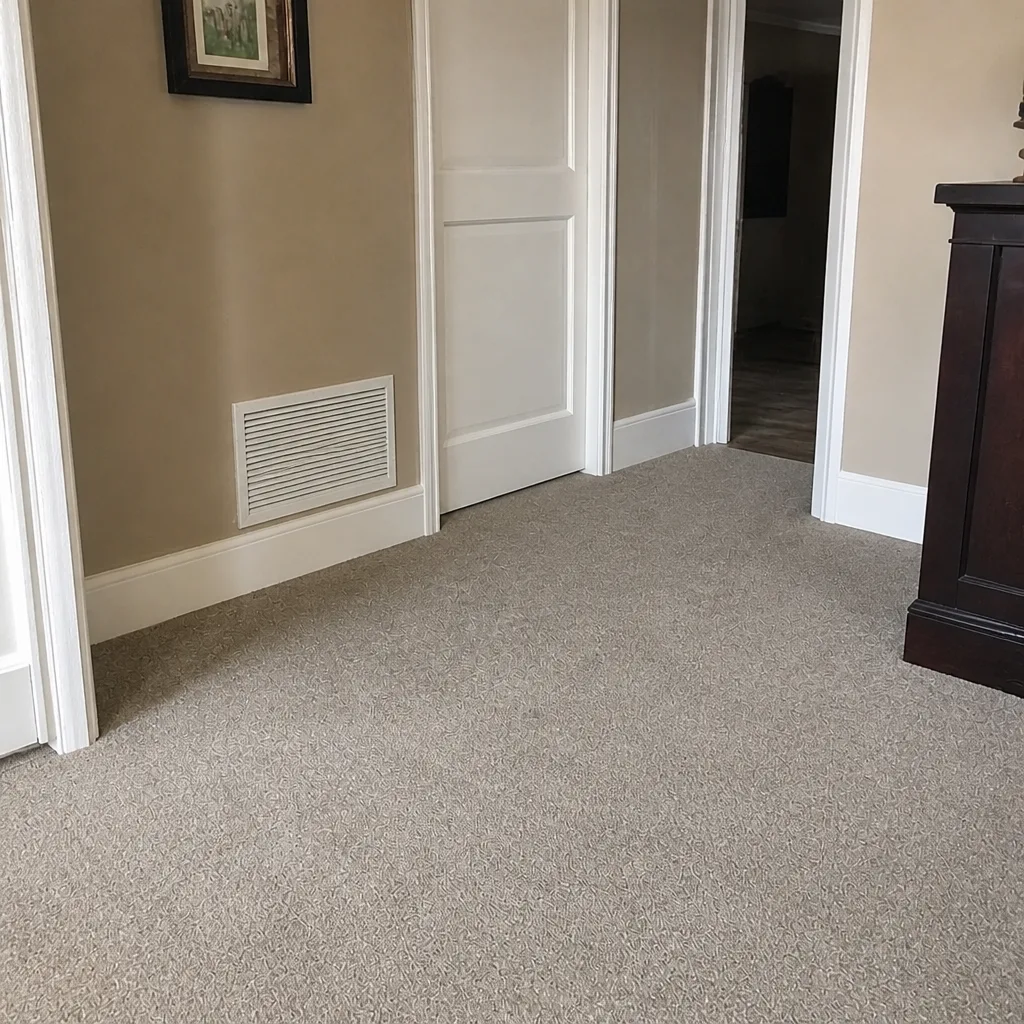
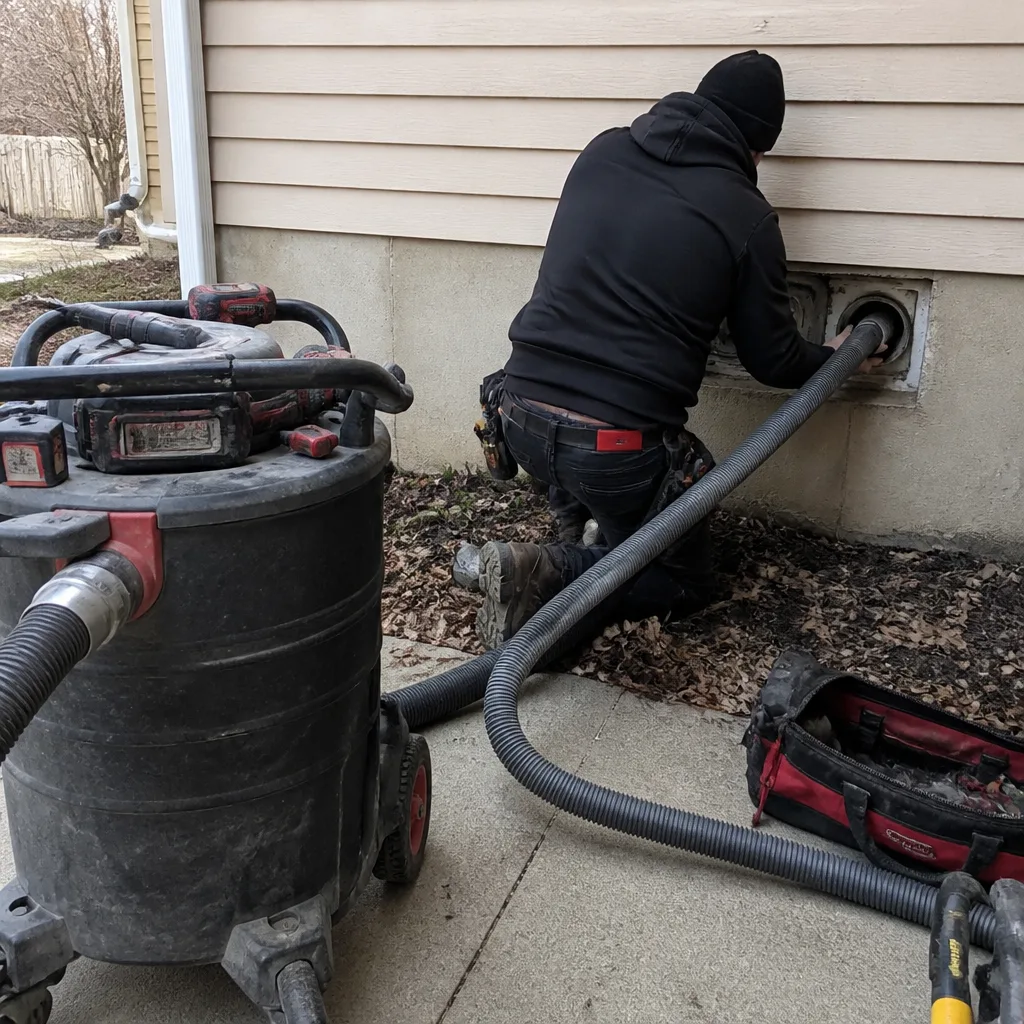
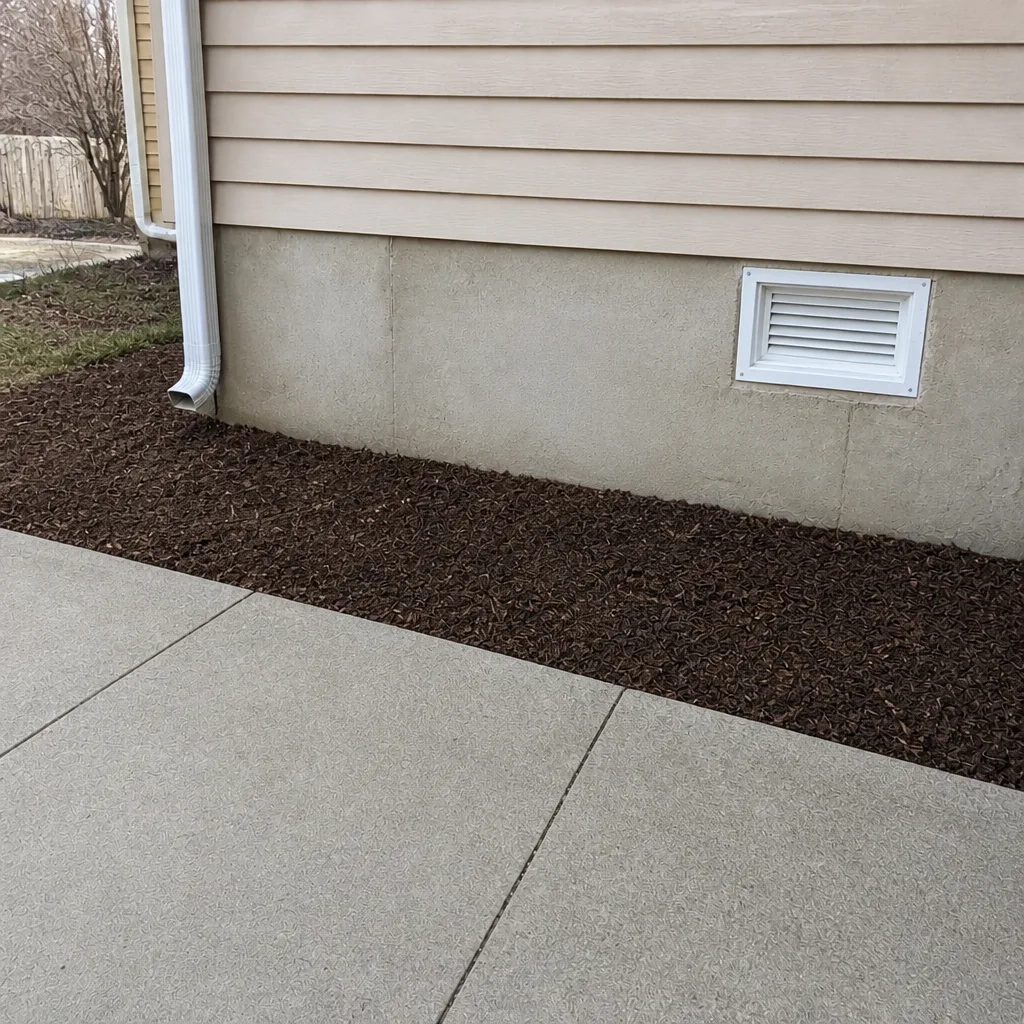
Whole-system duct and dryer vent check with before-and-after photos - you see exactly what came out of your vents
That "$99 whole-house special" is a bait ad - the real number appears once they are in your hallway, or the "clean" is a shop-vac at the register. We photograph the inside of your ducts before and after instead.
Air Duct Cleaning Troubleshooting in Bountiful: Common Problems and How to Fix Them
If your vents are blowing weak air after a duct cleaning, the cleaning may not have been the problem to begin with. It could be duct leakage, a collapsed flex section, or a blocked return that no amount of vacuuming will fix. That’s the part most homeowners miss when they start troubleshooting online: uneven airflow, lingering odors and dust that comes back fast are all symptoms, and each one points to a different cause inside the system. Some need cleaning. Some need sealing. A few need a design fix that cleaning alone will never solve. This guide maps those symptoms to their real mechanical sources so you can walk into a service call in Bountiful informed rather than guessing, and so you don’t pay twice for the wrong repair.
Quick Answer
Most air duct problems in Bountiful trace back to one of three root causes: a cleaning issue (contaminant buildup the system never shed), a sealing issue (leaks at joints, boots or the plenum that pull dirty air in and bleed conditioned air out), or an equipment and design issue (undersized returns, high static pressure or a collapsed flex run). Diagnosing which one you have means inspecting the whole air pathway before anyone quotes a cleaning. Cleaning alone fixes only the first cause, and sealing the second, which is why a scope inspection comes first.
Styles & brands we work with
- Whole-home duct cleaning
- Dryer vent cleaning
- Camera inspection
- Sanitizing & deodorizing
Table of Contents
- Symptom-to-Cause Matrix: What Your Ducts Are Telling You
- Why Dust Comes Back After a Cleaning (And How to Test for It)
- Cleaning Problems vs. Duct Design Problems: Knowing the Difference
- Tracking Down Odors: Biological vs. Material Sources
- Static Pressure, Returns and the Rooms That Never Get Comfortable
- What Legitimate Troubleshooting Looks Like From a Technician
- Duct Repair and Sealing: The Fix Most Cleaners Can’t Offer
- The Whole-System View: Ducts, HVAC, Dryer Vent and Air Quality
Symptom-to-Cause Matrix: What Your Ducts Are Telling You
The fastest way to stop guessing is to map the complaint to its likely source before anyone touches a vacuum. In our experience, homeowners tend to default to “clean it again” when the symptom actually points somewhere else entirely. Here’s how the common complaints break down for Bountiful homes.
- Dust reappearing within days: usually a sealing failure, not incomplete cleaning. Leaky joints and unsealed boots pull attic or crawlspace air into the stream, carrying fresh dust with it.
- Musty or stale smell: often biological growth in the plenum or a wet section of duct, sometimes a condensate issue near the air handler.
- One room always cold or stuffy: typically a balance or design problem: a long flex run, a crimped section, or an undersized return starving that zone.
- Weak airflow at every register: commonly a blocked or restricted return, a dirty blower, or high static pressure choking the whole system.
- Visible dust streaks around a register: a gap between the boot and the drywall or floor, pulling air and dust through the seam.
- Rattling or whistling at a vent: a loose damper, an undersized opening, or a duct section that’s partially collapsed.
The point of the matrix is discipline. If the symptom is dust returning fast, a fresh cleaning without a sealing fix just resets the clock. If the symptom is a single cold room, cleaning won’t rebalance airflow. Matching complaint to cause first is what separates a real diagnosis from a sales pitch. We do this mapping on every Bountiful Air Duct Cleaning inspection before we recommend a single service.
Why Dust Comes Back After a Cleaning (And How to Test for It)
Dust returning within a week or two of a duct cleaning usually means the system is drawing in new dust through leaks, not that the cleaning was shallow. That’s the counterintuitive part: a homeowner sees dust and assumes the job was incomplete, when the real culprit is a seal failure pulling unfiltered air from the attic, crawlspace or wall cavities straight into the supply stream.
Bountiful sits in a high-desert valley where dust is part of daily life, and homes here often have attic or crawlspace duct runs exposed to that environment. A joint that’s taped but not sealed, a boot that’s loose at the drywall, or a plenum seam that’s separated will pull that fine, dry material in constantly. No vacuum removes what gets re-introduced every time the system runs.
Here’s how a technician tests for a seal failure rather than assuming a cleaning problem:
- Scope the plenum and the first several feet of each main run. Fresh dust concentrated at joints and boots, rather than spread evenly through the duct, points to infiltration.
- Check the air handler and filter slot. A filter that seals poorly lets dust bypass filtration entirely, defeating the clean.
- Look at the boot-to-drywall and boot-to-floor connections. Gaps here are a common source of both dust streaks and cold drafts.
- Compare return-side cleanliness to supply-side cleanliness. A dirty return feeding a clean supply is a strong signal the problem is upstream, not in the cleaned sections.
- Verify the filter’s fit and rating. A filter that’s too restrictive chokes airflow; one that’s too loose doesn’t filter. Correct fit matters more than a high MERV number.
Once a seal failure is confirmed, the fix is repair and sealing, not another cleaning. We handle air duct cleaning and sealing as separate steps because they solve different problems, and treating one as the other is how homeowners end up paying for the same complaint twice.
Cleaning Problems vs. Duct Design Problems: Knowing the Difference
Some symptoms are cleaning problems. Others are design problems that cleaning will never solve, and confusing the two wastes money. The clearest way to tell them apart is static pressure: the resistance the blower works against to move air through the whole system.
A system with high static pressure is being asked to push air through ductwork that’s too small, too long, or too restricted for the blower it has. That shows up as weak airflow everywhere, a noisy blower, or a system that runs long and still never quite reaches the set temperature. An undersized return is one of the most common culprits. A return that’s too small starves the blower of air, and the whole house feels it.
- Cleaning problem: contaminant buildup inside otherwise sound ductwork. Symptom is dust, odor or debris. Fix is mechanical cleaning and sanitizing.
- Sealing problem: leaks at joints, boots or the plenum. Symptom is dust returning fast or cold air bleeding into the attic. Fix is repair and sealing.
- Design problem: undersized returns, long flex runs, crimped or collapsed sections, or a blower mismatched to the duct layout. Symptom is system-wide weak airflow that persists after cleaning. Fix is a design correction, which may involve resizing a return or replacing a run.
If your airflow was weak before a cleaning and it’s still weak after, you’re likely looking at a design issue. Cleaning can’t resize a duct. What a thorough technician does is inspect the layout, measure static pressure where it matters, and tell you honestly whether the problem is dirt, leaks or the system’s own geometry. Sometimes the answer is “your ducts are clean and sound, the return is just too small,” and that’s a far more useful finding than another cleaning.
Tracking Down Odors: Biological vs. Material Sources
Not all smells come from the same place, and the fix depends entirely on which kind you have. A musty, earthy or sewer-like odor usually points to biological growth or moisture, while a chemical or plastic smell points to material off-gassing, and a sharp, dead-animal smell points to pest intrusion. Each one is solved differently, which is why a technician sniffs out the source before recommending anything.
Biological odors
Mold, bacteria or standing moisture in the plenum or a wet duct section is the usual source of that musty smell. It tends to show up when a condensate line clogs, a humidifier misbehaves, or a section of duct stays damp. The fix is finding and correcting the moisture first, then sanitizing the affected surfaces with a restoration-caliber product. Cleaning a damp plenum without fixing the moisture just invites the growth back.
Material odors
A chemical or plastic smell can come from duct liner off-gassing, especially in newer installs, or from a failing component near the air handler. If the smell showed up right after a renovation or a new system went in, off-gassing is worth ruling out. A sharp, organic odor with no moisture present often means a pest got into the ductwork and didn’t make it out, and the fix is removal and sanitizing, not just masking.
For sanitizing we use Abatement Technologies and Guardsman products, the kind of tools restoration contractors use after a water event, because they address what’s actually growing in the air stream rather than just the surface. If your odor comes back after a light cleaning, that’s a signal the source was never identified. Bountiful Air Duct Cleaning treats odor as a diagnosis problem first, not a spray-and-go job.
Static Pressure, Returns and the Rooms That Never Get Comfortable
The room that’s always a few degrees off is one of the most common complaints we hear in Bountiful, and it’s rarely a duct-cleaning problem. It’s usually a balance problem: that room sits at the end of a long run, behind a crimped flex section, or downstream of a return that’s undersized for the load the system carries.
Static pressure tells the story. When a blower fights high resistance, it moves less air, and the rooms farthest from the air handler feel it first. The fix depends on the cause:
- Measure static pressure at the air handler. High readings confirm the system is working harder than it should.
- Inspect returns for obstructions and sizing. A blocked or undersized return is often the simplest correction.
- Check for crimped, collapsed or disconnected flex runs. A single crushed section can starve a whole zone.
- Look at damper positions and register obstruction. A closed damper or a piece of furniture over a return can undo a well-balanced system.
- Correct leaks before resizing anything. Sealing first often recovers enough pressure that a resizing becomes unnecessary.
Bountiful’s valley climate swings from cold winters to hot, dry summers, so a system that’s slightly out of balance runs longer in both seasons and shows it more. A room that never feels right in January usually still won’t in July. Getting to the mechanical cause is cheaper than living with it, and it’s the kind of fix that outlasts a cleaning. If your issue is really about airflow through the system, HVAC cleaning on the air handler and blower is often the missing piece.
What Legitimate Troubleshooting Looks Like From a Technician
Real troubleshooting starts with a scope inspection, not a sales pitch. A credible technician walks in, looks at the whole system, and explains what they find before recommending anything. If the first thing you hear is a menu of add-ons, that’s a sign the inspection was skipped.
Here’s the sequence a professional-grade operation follows:
- Walk the system with you. Identify the air handler, returns, supplies and any exposed runs in the attic or crawlspace.
- Scope the ductwork. Camera inspection of the main runs and plenum shows the actual condition, not an assumption.
- Check static pressure and airflow. Confirm whether the complaint is dirt, leaks or design.
- Inspect the air handler, blower and coil. A dirty blower or coil can mimic a duct problem.
- Report findings with photos. You see the before-and-after of your own system, not stock images.
- Recommend only what the findings support. Cleaning, sealing, repair or a filtration upgrade, in the order the system needs it.
Any technician who recommends a service before inspecting the system is guessing, and you’re paying for the guess. A proper inspection takes time, uses a camera and pressure readings, and ends with a written plan. If yours ends with a discount pitch, ask for the scope findings first. That’s the standard we hold every HVAC cleaning visit to in Bountiful: evidence first, then the recommendation.
Duct Repair and Sealing: The Fix Most Cleaners Can’t Offer
Sealing is where most duct-cleaning companies stop, and it’s exactly where many problems actually live. Leaks at joints, boots and the plenum pull dirty air in and bleed conditioned air out, and no amount of cleaning fixes an open seam. Repairing and sealing the system in the same visit is what stops a dust problem at the source instead of resetting it.
When we handle duct repair and sealing alongside cleaning, we’re addressing both the dirt and the path that reintroduces it. The two fixes work together: clean the duct, then close the leaks so the clean lasts. That single-visit capability is the difference between a company that can only vacuum and one that can actually fix the system.
Common sealing targets include:
- Joints and seams on supply and return runs
- Boot-to-drywall and boot-to-floor connections
- Plenum seams and connections at the air handler
- Loose or disconnected flex sections
- Filter slots that let dust bypass filtration
If your ductwork was cleaned and dust or cold air came right back, the leak was never addressed. Repair and sealing is the step that closes the loop, and it’s why we treat it as its own service rather than an upsell. Bountiful homes with attic or crawlspace runs tend to benefit most, because those are the sections most exposed to the surrounding environment.
The Whole-System View: Ducts, HVAC, Dryer Vent and Air Quality
An isolated duct problem is rare; most homes have more than one pathway quietly working against air quality. The supply and return ducts, the air handler, the dryer vent and the filtration all sit on the same air system, and solving one in isolation often leaves a symptom untouched somewhere else. That’s why we think in terms of the whole pathway rather than a single component.
Here’s the full picture we work through for a Bountiful home:
- Air duct cleaning: mechanical cleaning of the supply and return network using a Rotobrush rotary brush system to reach the duct walls, not just the registers.
- Dryer vent cleaning: lint and debris removal that keeps the vent flowing and reduces fire risk. This is dryer vent cleaning, and it’s a separate pathway from the HVAC ducts but just as important to home air and safety.
- HVAC cleaning: the air handler, blower and coil, where a lot of circulating dust and odor actually originate.
- Duct repair and sealing: closing the leaks so the system stops pulling dust in and wasting conditioned air.
- Air quality and sanitizing: post-cleaning sanitizing with restoration-grade tools, plus filtration upgrades using Honeywell and Aprilaire products when the system would benefit.
Working through the whole path in one plan means the fix actually holds. A clean duct behind a leaky boot, or a clean supply fed by a dirty blower, is only half a solution. If you want a thorough explanation of what cleaning covers, our air duct cleaning page walks through the process start to finish, and the Bountiful Air Duct Cleaning home page covers how the five services fit together for a Bountiful home.
Common Mistakes to Avoid
- Assuming every problem is a cleaning problem. Dust that returns fast or a room that never warms usually needs sealing or a design fix, not another vacuum. Diagnose first, then clean.
- Hiring the lowest bidder without checking the equipment. A consumer-grade vacuum and a shop-vac pass don’t reach the duct walls the way a professional rotary brush system does. Ask what equipment will actually be used.
- Skipping the inspection and going straight to a quote. A recommendation made before the system is inspected is a guess. Insist on a scope walkthrough first.
- Ignoring the air handler and dryer vent. Cleaning only the ducts leaves the blower, coil and dryer vent untouched, and those can be the real source of odor or risk.
- Sealing after the fact instead of during the cleaning. If leaks are found, fixing them in the same visit saves a second trip and stops the problem from resetting.
- Choosing a filter by MERV number alone. A filter that’s too restrictive chokes airflow and raises static pressure; correct fit matters as much as rating, and Honeywell or Aprilaire options can be matched to your system.
- Masking odors instead of finding them. A musty smell from a damp plenum versus a material off-gas needs a different fix. Treat the source, not the symptom.
See the difference
 Before
 After
 Before
 After
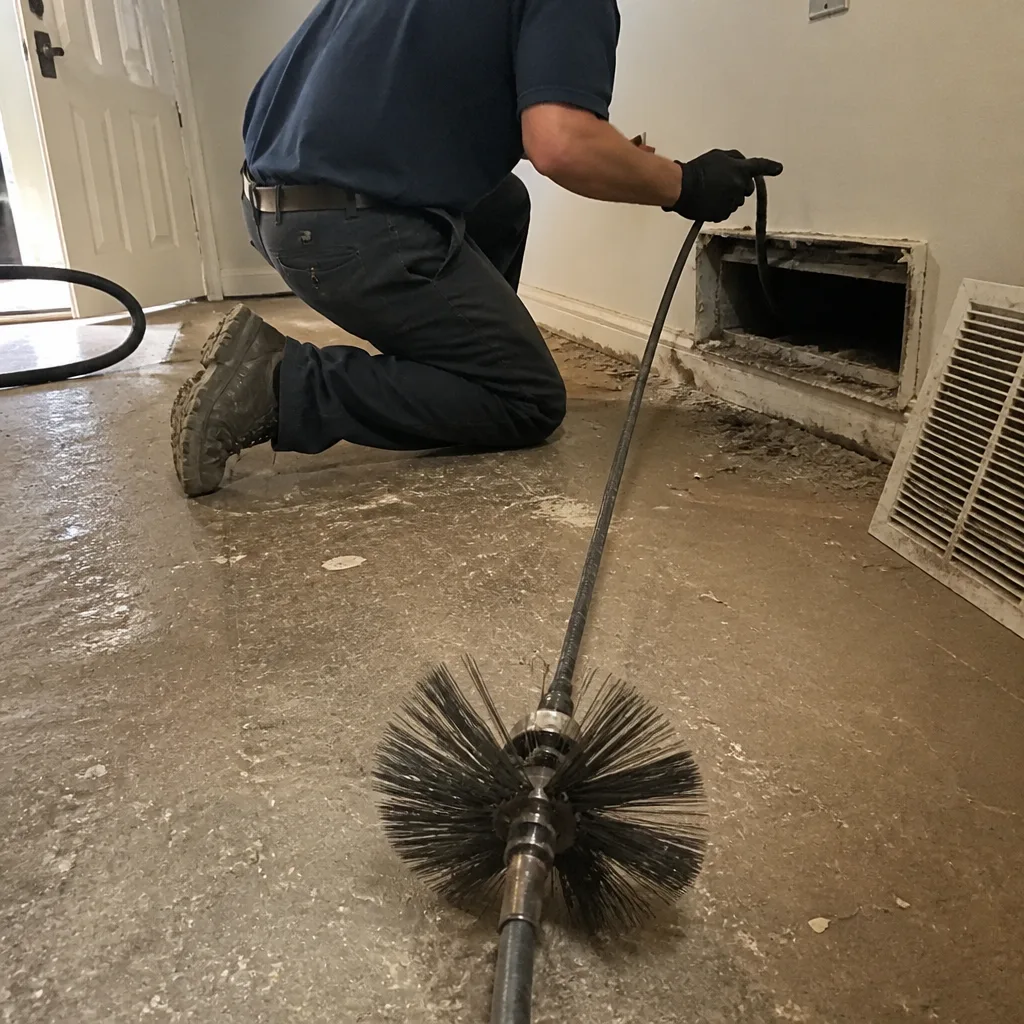 Before
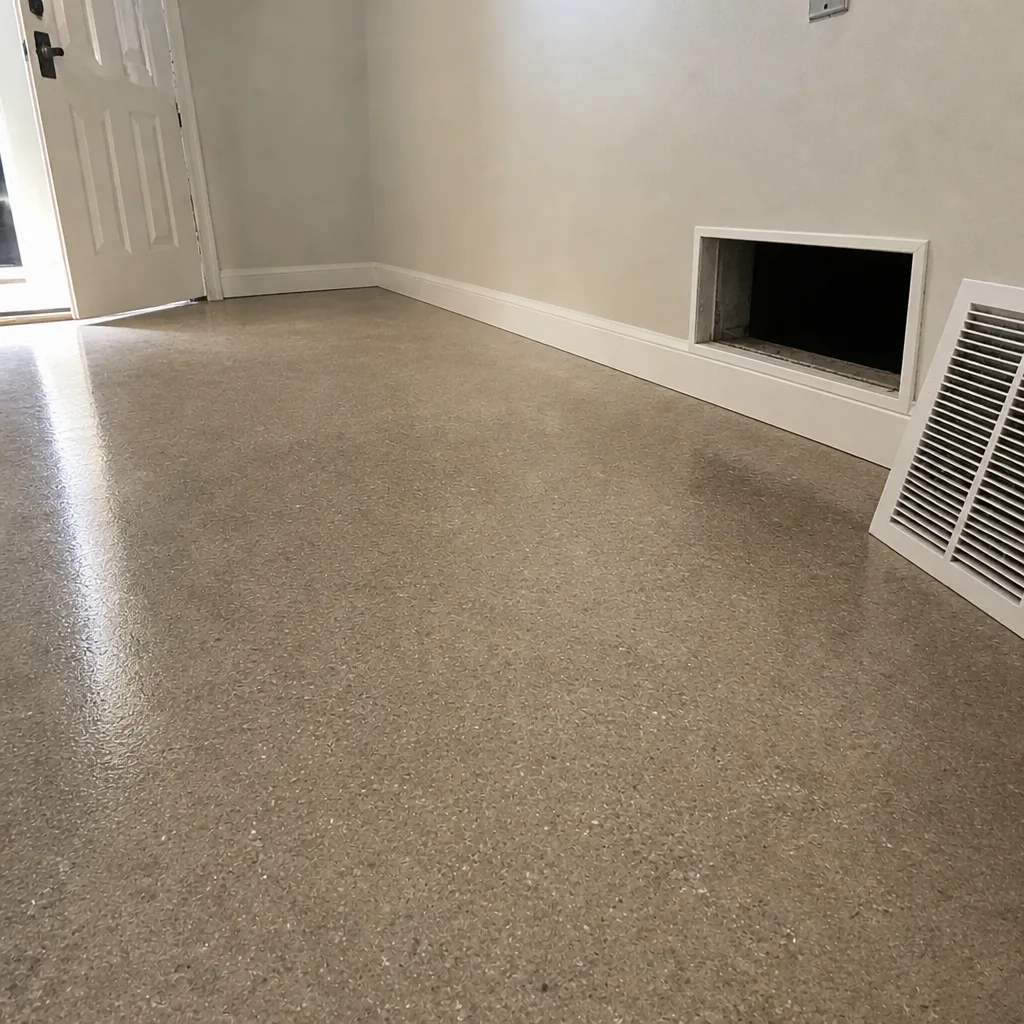 After
When to Call a Professional
Some duct issues are simple enough to wait on, and some aren’t. Call a professional when dust returns within days of a cleaning, when one room stays cold or stuffy no matter what you set the thermostat to, when a musty or chemical odor won’t clear, or when you see visible gaps around a register or a loose flex section in the attic. Call sooner if you notice a dead-animal smell, moisture in the ductwork, or a dryer vent that’s taking much longer to dry a load. Those point to a specific source that needs real diagnosis, not another cleaning. Bountiful Air Duct Cleaning offers free estimates in Bountiful. Call (866) 947-9113. We answer 24/7. Fast dispatch from 7am to 7pm, Sunday through Friday.
Frequently Asked Questions
Air duct cleaning in Bountiful is quoted per job by a written estimate after the system is inspected, and the final price depends on the size and layout of the ductwork, how many runs there are, and whether sealing or sanitizing is needed. We give you a written price agreed before any work starts, so you’re not relying on a teaser number that grows once a technician is on site. Call (866) 947-9113 for a free estimate. We answer 24/7. Fast dispatch from 7am to 7pm, Sunday through Friday.
Low quotes usually reflect a limited scope: a shop-vac pass at the registers, no scope inspection, and no attention to the duct walls, plenum or air handler. Professional-grade cleaning uses rotary brush equipment and covers the whole pathway, which costs more to do properly but actually solves the problem. A cheap pass that leaves the leak and the blower untouched just means you’ll pay again. Call (866) 947-9113 for an honest, whole-system estimate.
Ask for before-and-after photos of your own ductwork, not stock images, and ask whether the technician used a scope camera to inspect the runs. A real cleaning shows visible improvement inside the duct, and a proper inspection report shows what was found and what was done. If a company can’t show you the inside of your own system, ask why. Call (866) 947-9113 to schedule an inspection and see the evidence yourself.
There’s no fixed schedule that fits every Bountiful home. Homes with pets, recent renovation, visible dust at the registers or a musty smell tend to need it more often, while a well-sealed system with a good filter can go longer. The honest answer is to inspect and clean when the system gives you a reason, not on a calendar the salesperson sets. Call (866) 947-9113 and we’ll tell you what your system actually needs.
Usually not on its own. Weak airflow in a single room is more often a design or balance problem like an undersized return, a long flex run or a crimped section, and cleaning can’t resize a duct. The right first step is a static pressure and layout inspection to find the cause. Call (866) 947-9113 for a free estimate and we’ll tell you whether it’s dirt, leaks or design.
Not necessarily. Dust returning fast often means the system has a sealing failure pulling new dust in through leaks at boots, joints or the plenum, which no cleaning can stop. The fix is to find and seal the leak, not to clean again. We test for seal failures during inspection before recommending anything. Call (866) 947-9113 to book a diagnostic visit in Bountiful.
The Bottom Line
Most duct problems you can’t solve by cleaning harder, because the real cause is usually one of three things: a cleaning issue, a sealing issue, or a design issue. Dust that comes back fast points to leaks. A single cold room points to balance or an undersized return. A musty or chemical smell points to a specific source that needs identifying before any sanitizing. Diagnosing the symptom first, with a scope inspection and pressure readings, is what keeps you from paying twice for the wrong fix. Once the cause is clear, the right combination of cleaning, sealing, HVAC work and filtration holds. Bountiful Air Duct Cleaning offers free estimates in Bountiful. Call (866) 947-9113. We answer 24/7. Fast dispatch from 7am to 7pm, Sunday through Friday.
Written by the team at Bountiful Air Duct Cleaning.