
Last updated November 24, 2026
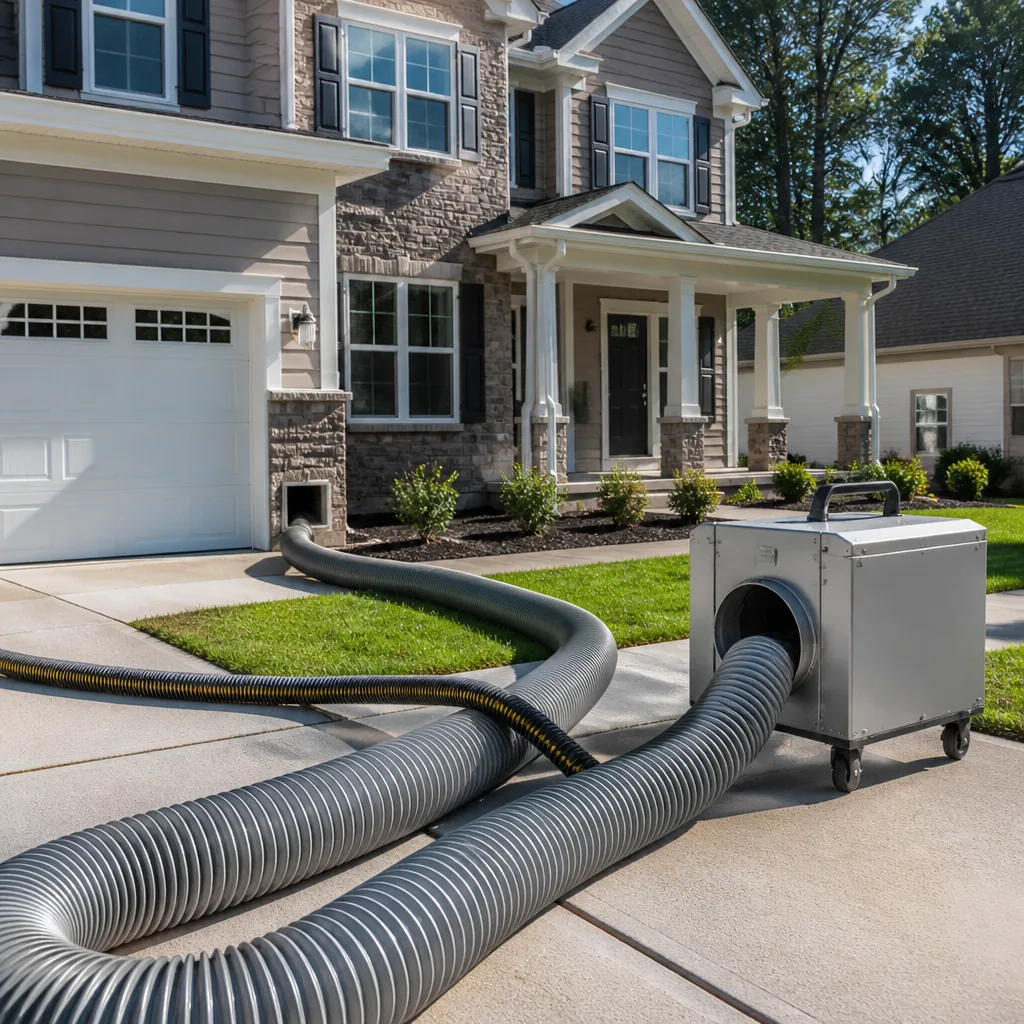 Whole-home duct cleaning
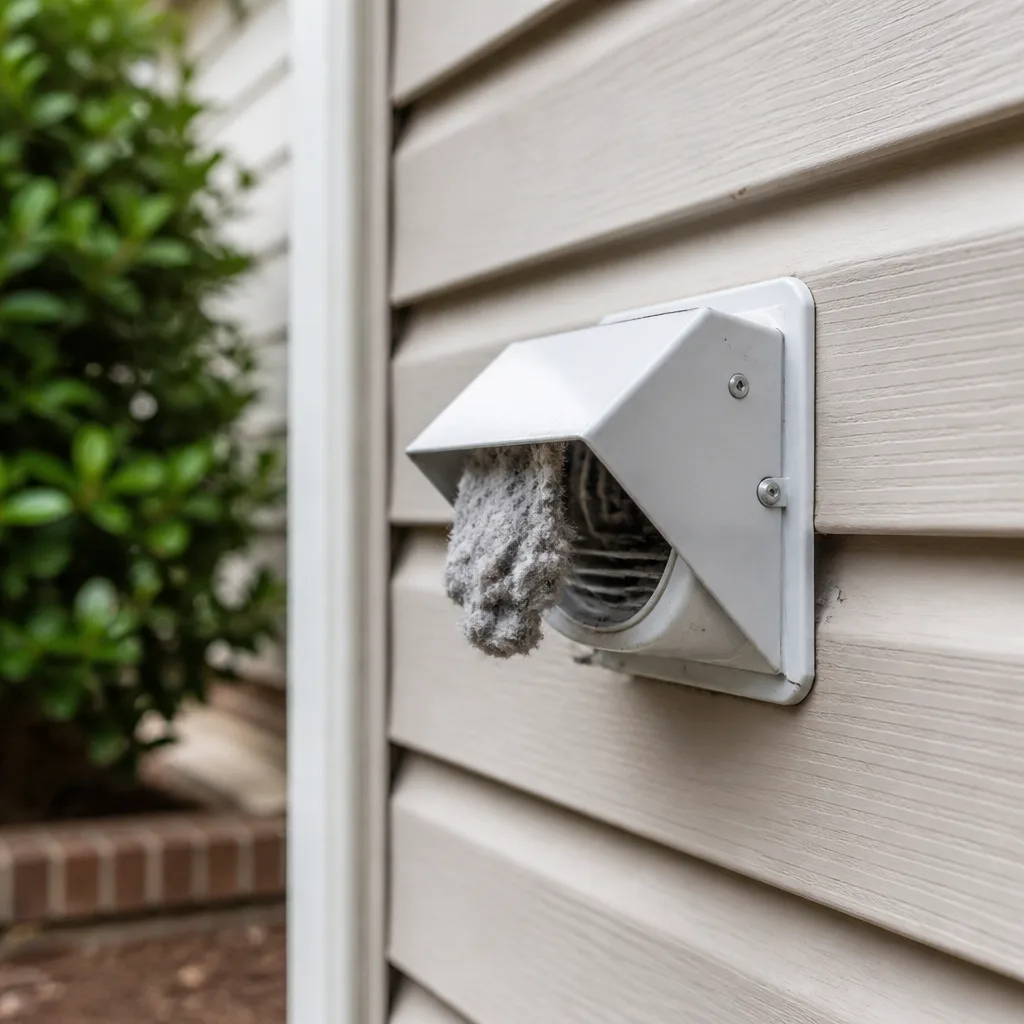 Dryer vent cleaning
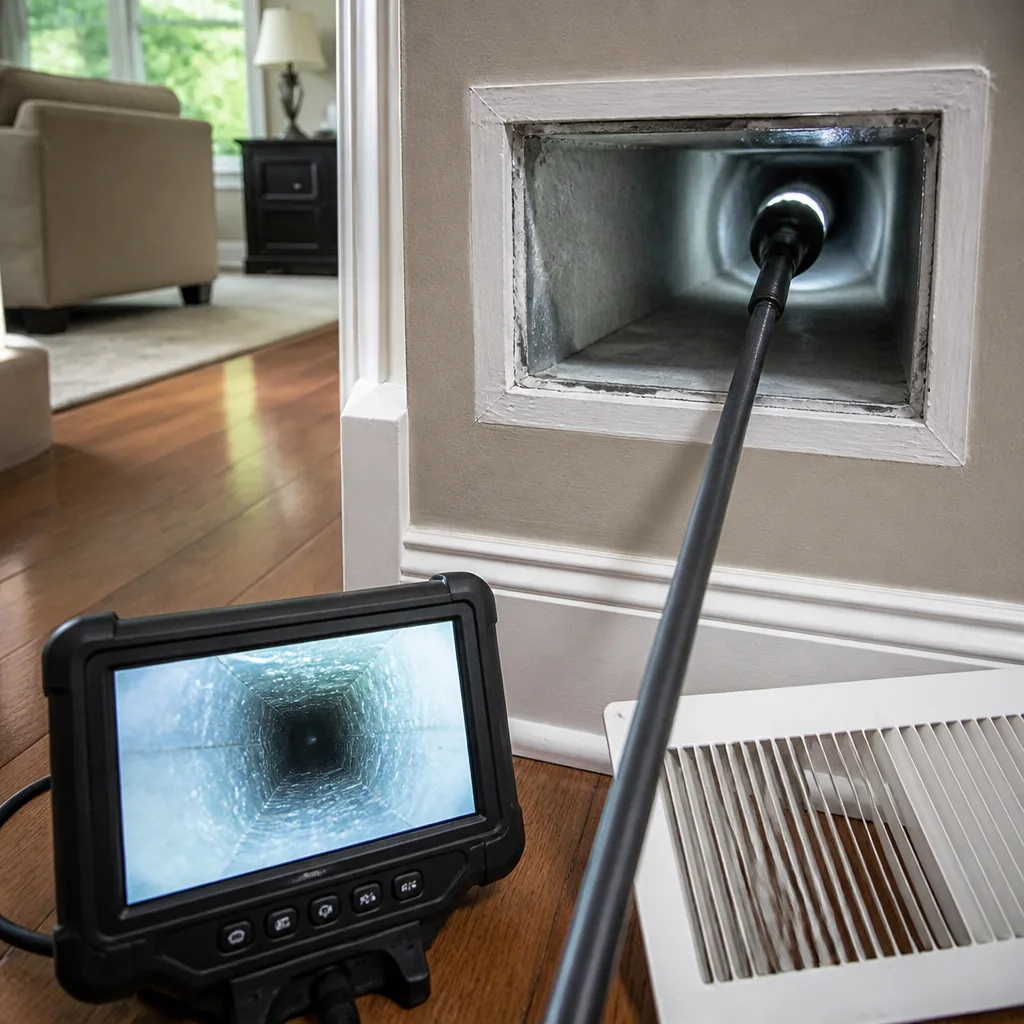 Camera inspection
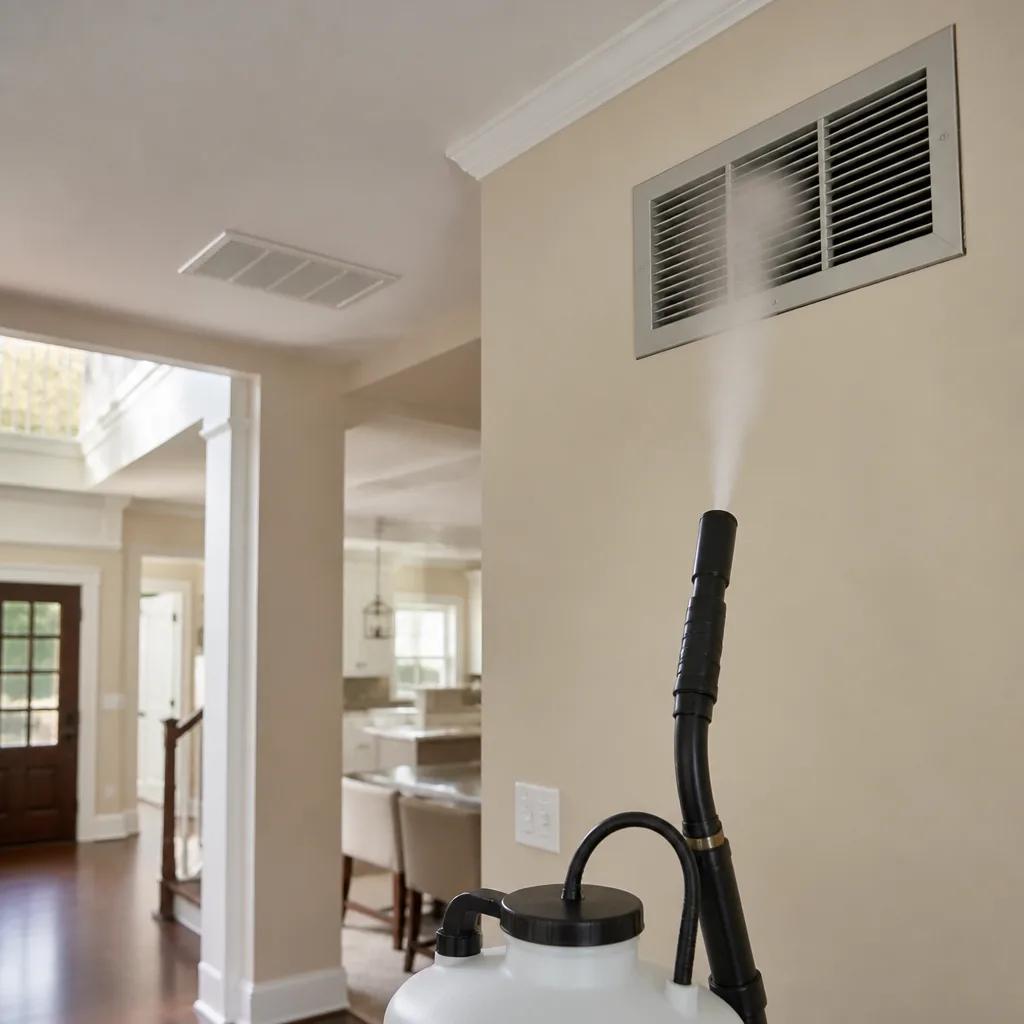 Sanitizing & deodorizing
Whole-system duct and dryer vent check with before-and-after photos - you see exactly what came out of your vents
That "$99 whole-house special" is a bait ad - the real number appears once they are in your hallway, or the "clean" is a shop-vac at the register. We photograph the inside of your ducts before and after instead.
Choosing the Right Air Duct Cleaning Brand: A Buyer’s Guide for Bountiful
Three of the most heavily advertised duct cleaning brands operating in the Salt Lake metro are franchise operations. They own the marketing, the website, and the phone number, but the person who shows up in your home may work for a subcontractor with no direct relationship to the company you hired. That’s the uncomfortable gap most buyers never check. The logo on the van tells you almost nothing about the equipment that will actually be used in your ducts. In this guide we’ll walk through how to evaluate duct cleaning companies using signals that actually correlate with a thorough job: equipment class, service scope, process documentation, and how technicians account for the specific conditions found in Bountiful homes. By the end you’ll have a checklist you can apply to any quote in five minutes.
Quick Answer
The right air duct cleaning company for a Bountiful home is one that uses professional source-removal equipment (Rotobrush or Nikro-class, with HEPA filtration), cleans the full air pathway rather than just the supply registers, and can document what it found and what it did. Brand recognition matters less than equipment class, service scope, and whether the operator can explain Davis County-specific conditions like inversion-season dust loads and return-air configurations in older ranch homes. Bountiful Air Duct Cleaning is a local example of this full-pathway approach.
Styles & brands we work with
- Whole-home duct cleaning
- Dryer vent cleaning
- Camera inspection
- Sanitizing & deodorizing
Table of Contents
- Franchise vs. Local Operator: Why It Changes What You Get
- Equipment as the Real Brand Proxy
- How to Read Duct Cleaning Reviews for Duct Cleaning
- The Scope-of-Service Checklist
- Why Bountiful Conditions Matter
- Seven Questions to Ask Before You Book
- How to Verify the Job Was Done
- What Pricing Signals Reveal About a Company
Franchise vs. Local Operator: Why It Changes What You Get
A national duct cleaning brand with a polished website and heavy local radio presence isn’t automatically worse than a smaller local operator. But the structure of the business matters because it determines who is actually in your home, what equipment they bring, and who is accountable when something doesn’t go right.
Some franchise models sell leads to subcontracted crews. The franchise holder collects the phone call, books the appointment, and dispatches a crew that may work for three or four different brands on different days. That crew controls equipment quality, time per job, and what gets reported back to you.
Signs an operator is a local structure rather than a subcontract network:
- The company name on the van matches the name on the invoice and the person’s business card.
- They can describe specific neighborhoods, climate conditions, or housing stock they work in without prompting.
- Equipment brands are stated on the website or given on request (Rotobrush, Nikro, Abatement Technologies, Guardsman).
- Technicians can be identified by name to the company if there is a follow-up issue.
None of that requires a company to be large. It requires the company to own the work. When something goes wrong (a duct section damaged, a register left loose, a complaint about scope), you want a single business that can address it, not a franchise that has to relay the message down a chain.
In Bountiful specifically, the market is small enough that most local operators know the housing stock intimately. Ranch homes built in the 1960s and 1970s along the bench below the mountains have specific return air layouts that reward a technician who has worked them before, versus one who is passing through from the franchise network. That’s not a marketing claim, it’s a training variable that shows up in job quality.
Equipment as the Real Brand Proxy
Anyone can print “professional duct cleaning” on a website. The question is what they actually bring into your home. Duct cleaning equipment falls into a few categories, and the category tells you a lot about what kind of job you’ll get.
Consumer-grade vacuums (shop vacs, small portables) don’t have the airflow to lift settled dust from duct walls. They stir it up and pull some out of the airstream, but they don’t perform source removal.
Portable source-removal units (Nikro-style equipment) pair high-CFM vacuum with mechanical agitation and HEPA filtration. These are what commercial and restoration contractors use for HVAC cleaning. Good for tight spaces, upper floors, and residential systems where a truck-mount can’t reach.
Truck-mounted systems deliver higher airflow through long runs and are common in commercial jobs. For most single-family homes in Bountiful, a properly equipped portable system with agitation tools performs the same source removal.
Rotary brush tools (the Rotobrush family) deliver mechanical cleaning to the duct walls, not just airflow through the plenum. This is the standard that the National Air Duct Cleaners Association (NADCA) sets in its source-removal methodology: contact the contamination, agitate it, and evacuate it through HEPA filtration.
Three pieces of equipment information you can ask any company for before you book:
- What vacuum equipment do you use, and what is its airflow rating?
- Do your technicians use mechanical agitation (brushes, whips) or only negative pressure?
- Does your system include HEPA filtration on the exhaust so the dust doesn’t redistribute into the home?
A company that answers those three questions clearly has almost certainly thought about equipment the way restoration contractors do. At Bountiful Air Duct Cleaning, we run Rotobrush and Nikro equipment and follow up cleaning with Abatement Technologies air quality tools because a job that only pulls dust without addressing the residual airstream is only half done. The right tools for air duct cleaning aren’t a brand name on a brochure, they’re a standard of practice.
How to Read Duct Cleaning Reviews for Duct Cleaning
The problem with duct cleaning reviews is that a five-star review saying “great job, very professional” confirms almost nothing about scope. A homeowner who paid for a supply-only cleaning and got a supply-only cleaning may leave five stars even though the return ducts and air handler went untouched.
Read for technical signals, not satisfaction signals. Here’s what to look for:
- “Showed us camera footage or photos of the ducts before and after.” This confirms equipment and documentation.
- “Explained what they found.” Signals a technician making an assessment, not just executing a script.
- “Cleaned the return ducts, air handler, and dryer vent in the same visit.” Confirms full-pathway scope.
- “Identified a disconnected duct and repaired it while they were here.” Confirms duct repair and sealing capability.
- “Told us what we didn’t need.” A sign of honest scoping versus upselling.
Red flags in reviews, even from apparently happy customers:
- “In and out in 45 minutes” on a whole-home job. Source removal on a typical home takes longer than that.
- No mention of what was cleaned, only that the price was good.
- Reviews that all sound similar, dated in the same week, or from accounts with one review.
- Answers to questions about what was done that sound vague.
Read reviews the way a hospital reads incident reports, not the way a shopper reads a product page. Look for specificity. A local company with fifty specific reviews is more informative than one with a thousand generic ones.
The Scope-of-Service Checklist
Two companies can both answer “yes” to “do you clean air ducts” and deliver very different jobs. The checklist that separates them is scope: what parts of your home’s air pathway actually get cleaned.
Here’s the pathway, front to back. Ask each company which sections they clean, and which cost extra:
- Supply ducts and registers. The visible vents. Almost every company cleans these.
- Return ducts and grilles. The intake side of the loop. Frequently skipped by cheaper bids.
- Air handler and blower compartment. Where dust collects and gets redistributed. Requires partial HVAC disassembly to clean properly.
- Evaporator coil chamber. Within the airflow path. HVAC cleaning includes this; a duct-only service usually doesn’t.
- Dryer vent. A separate fire-safety system that needs its own cleaning. Should be available from the same company you’re hiring for ducts.
- Duct repair and sealing. If the inspection finds disconnected sections, crushed flex runs, or leaking joints, can they fix it in the same visit or do you need a second contractor?
- Air quality and sanitizing. Post-cleaning treatment of the airstream, not just the duct surface.
An honest quote breaks out what each of those costs. A misleading quote bundles the visible ones and calls it whole-home cleaning, then surprises the homeowner on site with a much larger invoice for the rest.
If you also want the dryer vent cleaned while a technician is already on site, that’s dryer vent cleaning and should be scheduled as part of the same visit rather than a separate appointment. Fewer visits and full-pathway coverage on one invoice is the goal.
Why Bountiful Conditions Matter
Duct cleaning is not the same job in Bountiful as it is in Miami or Seattle. Three local variables shape what a thorough cleaning actually requires here.
Inversion season. Davis County sits in a bowl defined by the Wasatch Front. During winter inversions, particulate matter accumulates in the valley and stays. Furnaces run more, filters load faster, and duct walls collect the fine dust that slips past filtration. A post-inversion cleaning in Bountiful often retrieves material that a mid-summer cleaning wouldn’t. Timing the cleaning to the early spring, after inversion season has broken, is practical.
Construction growth. Ongoing residential construction and remodeling across Davis County produces drywall dust, sawdust, and mineral fibers that find their way into the nearest connected air pathway. Homes near active construction benefit from cleaning more often than the general rule of every three to five years. If you’ve remodeled in the last two years, that timeline compresses.
Older ranch homes with complex return air. Many Bountiful homes were built in the 1950s through the 1970s. Return air routing in those houses is often unusual by modern standards: partial returns, undersized return grilles, or return paths that traverse the crawl space. A technician working regulars in Bountiful learns to trace return air before starting the job, because a supply-only cleaning in one of these houses leaves half the dust in place.
These are the conditions the right company for Bountiful understands without being told. If a company is quoting duct cleaning work in Bountiful and has never asked you what year the house was built or where the returns are located, treat that as a data point.
Seven Questions to Ask Before You Book
Any duct cleaning company can answer these questions on the phone in under five minutes. The answers, and how quickly they come, tell you as much as a site visit.
- What equipment will you bring? A specific answer (brand, system type) is a green flag. A vague answer (“industrial grade”) is not.
- Will you clean the returns and the air handler, or only the supply ducts? The answer needs to include all three.
- How long does a typical job take? Full-pathway cleaning on a standard single-family home usually fills a substantial part of the day. Very short windows on a whole-home job are a warning.
- Will I get before-and-after photos or video? Best practice is photographs of your specific system, not stock images.
- Do you also do duct repair and sealing? If they don’t, ask who they recommend, and ask if they’ll verify duct connections before cleaning so you aren’t paying to clean a system that’s leaking afterward.
- What does the quote actually cover? Get the itemized scope in writing before work starts. One flat price per system beats a per-vent quote almost every time.
- Who is coming to my home? Is it the company’s own technicians, a subcontractor, or a crew that works for other brands too? This is the accountability question.
The best experience is one phone call where the answers come clearly and the quote arrives in writing before anything is scheduled. If any of these questions cause the salesperson to get evasive, that’s your answer.
How to Verify the Job Was Done
The bait-and-switch reputation of the duct cleaning industry exists because a homeowner has no way to look inside their own ducts. The right company solves that by documenting the work. Here’s what proper verification looks like:
- Before photos. Shots of the interior of the supply runs, the return trunks, and the air handler compartment before cleaning starts.
- After photos. Matching shots of the same areas after cleaning. Not stock images, your system.
- Camera footage where appropriate. A rotary camera through long duct runs shows what still needs attention in a way a photograph can’t.
- Written summary. What was cleaned, what parts of the system had issues, and what was recommended for repair or upgrade.
- Filtration recommendation. Honeywell and Aprilaire filter upgrades or replacements are the natural follow-up after cleaning, and a company that services those products can supply and install them in the same visit.
Ask before you book whether that documentation is standard, or provided only on request. The answer is part of the evaluation.
What Pricing Signals Reveal About a Company
Duct cleaning prices in the Salt Lake metro vary widely, and the variation usually tracks scope, not the company’s profit margin. A low headline number often means one of three things: the quote covers fewer components (usually supply ducts only), the equipment is smaller and faster (which means less removal), or the advertised number is a teaser that becomes a much larger invoice once the technician is on site.
What a good quote does instead:
- Names the flat price for the whole system before work starts, agreed in writing.
- Separates adding scope (dryer vent, HVAC cleaning, repair and sealing) so you can see the total.
- Doesn’t price per register or per vent, since every home has a different count and per-vent pricing punishes larger homes.
- Doesn’t quote prices that only apply when you book another service in the same visit.
We won’t quote a specific price here because the honest answer depends on the size of your system, the number of runs, and what the inspection finds. What we will say is that one flat price per system, agreed before work begins, is the standard you should hold any company to. Compare quotes on scope, not on headline numbers.
Common Mistakes to Avoid
- Booking on the truck-wrap impression. A polished brand identity has no correlation to equipment quality or crew accountability. Ask about tooling before you ask about pricing.
- Assuming “ducted cleaning” covers returns and air handler. Most low-price quotes are supply-only. Get the itemized scope in writing. In older Bountiful ranch homes with complex return configurations, the returns are where most of the material has settled.
- Skipping the dryer vent. Dryer vent cleaning is a fire-safety service that should be bundled with duct cleaning. If a company doesn’t offer it, you’ll need to book a second visit with someone else.
- Ignoring a duct repair recommendation to save the cost. Cleaning a leaking or disconnected duct system without repairing the leak means the system goes back to leaking after the cleaning. Ask if the company can seal or repair in the same visit, and if they can’t, weigh the cost of two visits against one.
- Reading satisfaction reviews instead of technical ones. A five-star review that says “great crew” tells you nothing about scope. Look for phrases about photos, camera footage, repair work, or what the technician found.
- Booking the same day as a remodel. Drywall dust and construction debris settle for weeks after the work ends. Clean the system after the dust has settled, not before.
- Timing a cleaning mid-inversion. In Davis County, cleaning just before or during a winter inversion returns the system to service hours before the next grinding dust load arrives. Spring cleaning, after inversion season, holds up longer.
See the difference
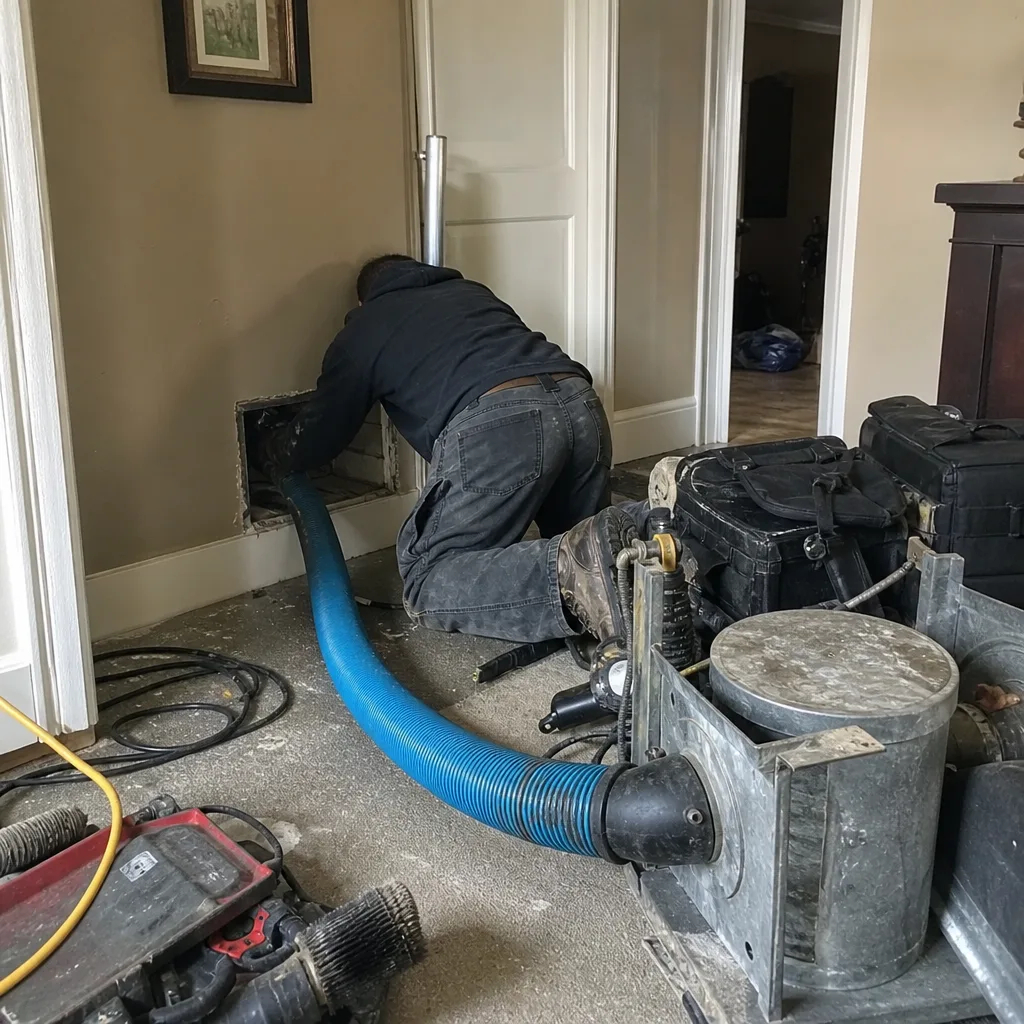 Before
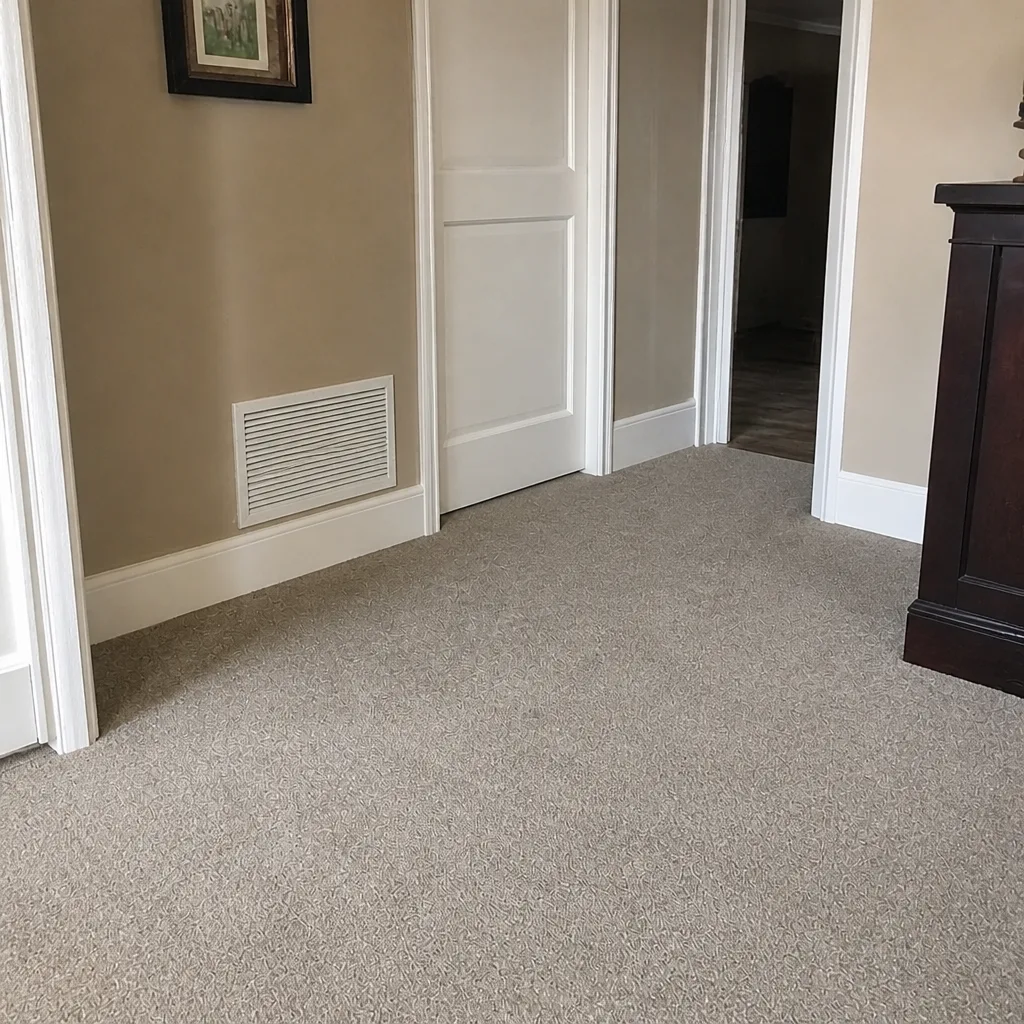 After
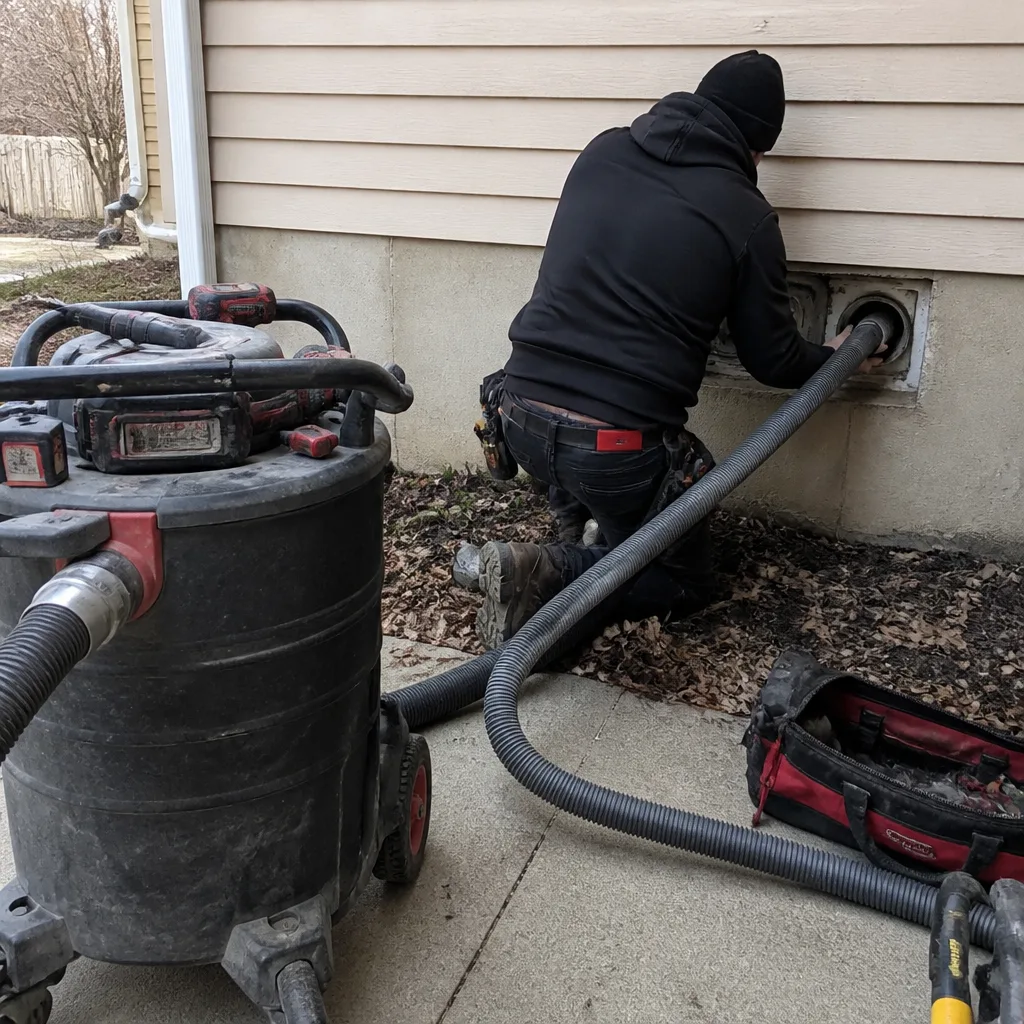 Before
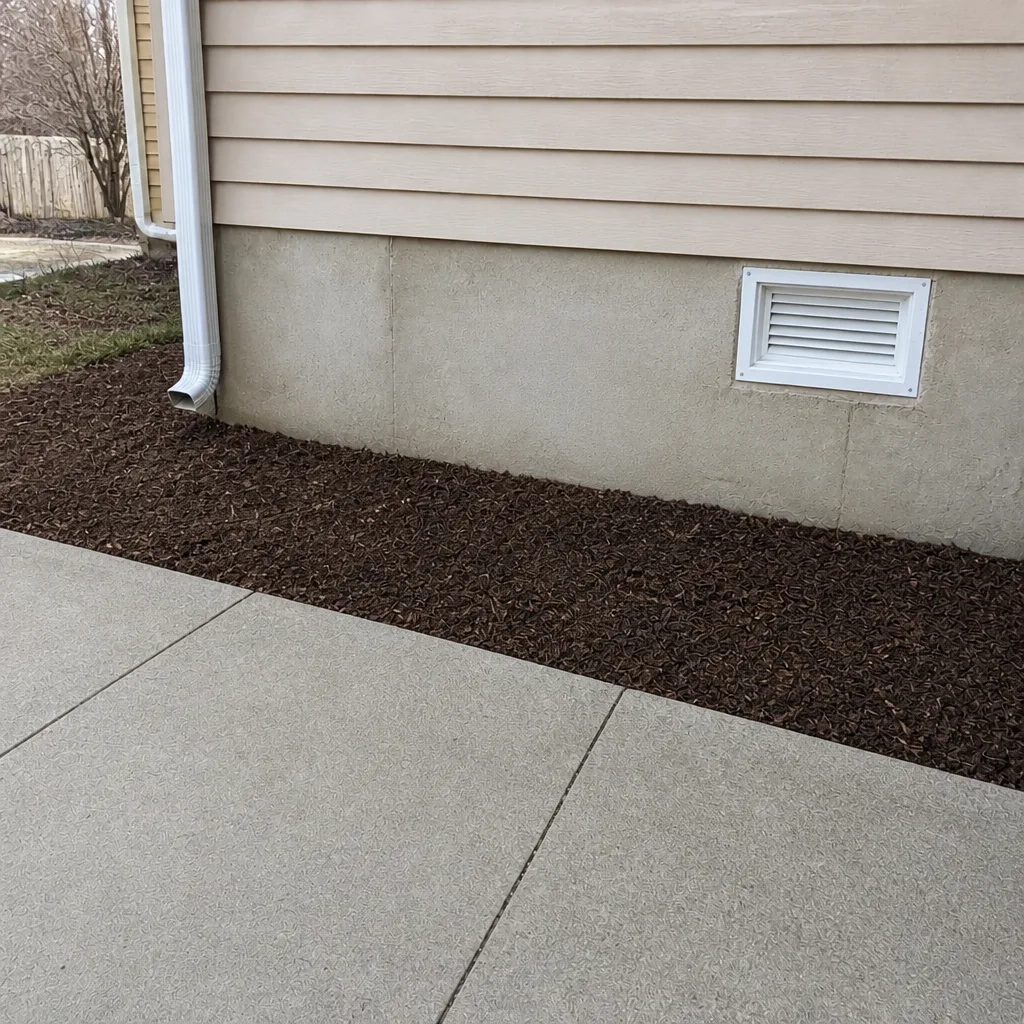 After
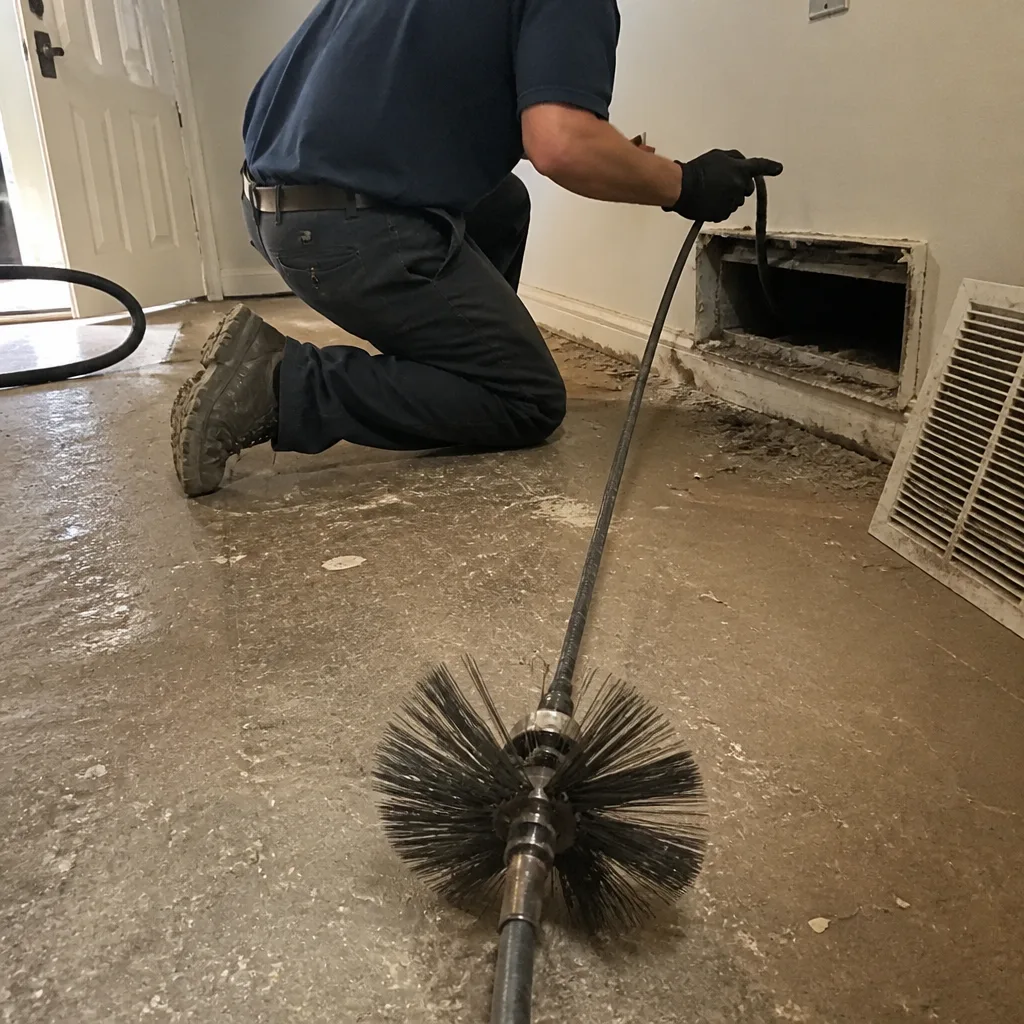 Before
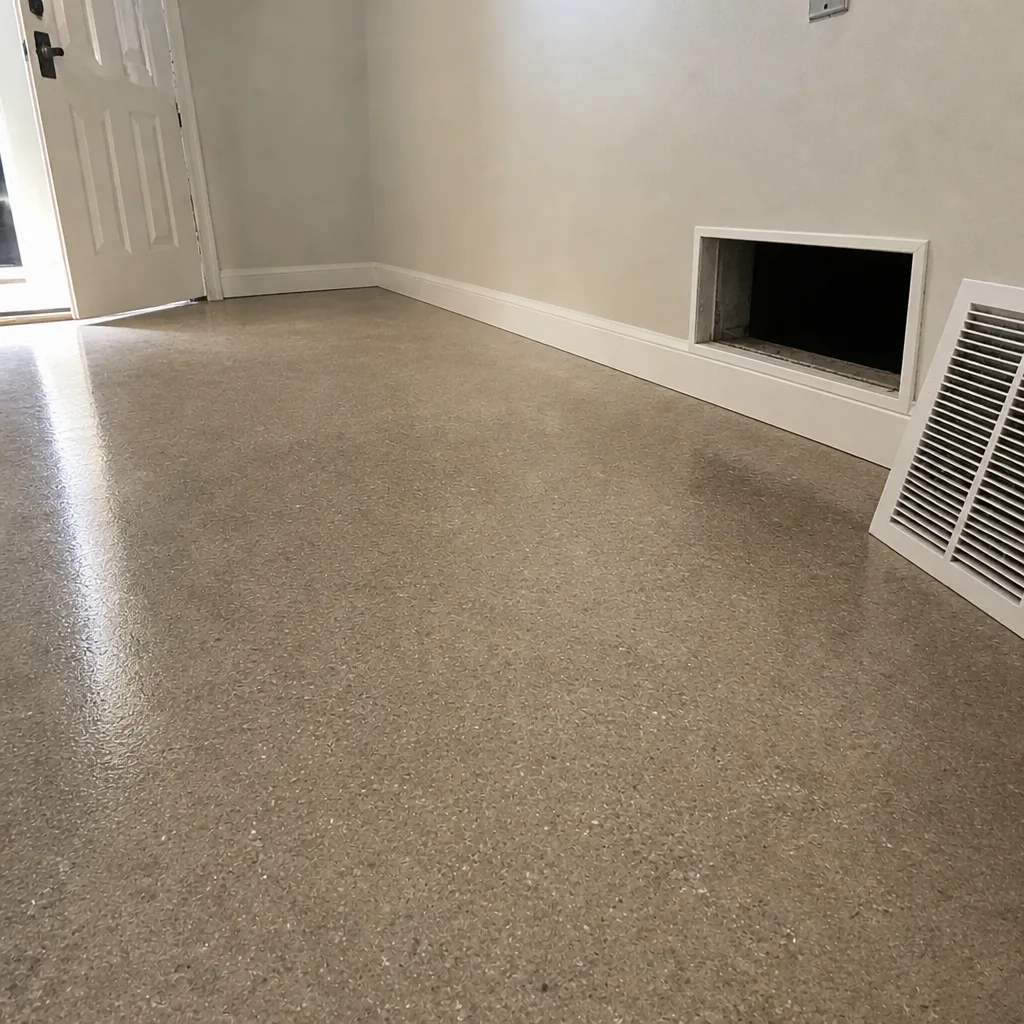 After
When to Call a Professional
Duct cleaning is not an emergency service, but there are specific moments when calling a professional makes more sense than waiting. If you’ve just bought a home and don’t know when the ducts were last cleaned, an inspection-based cleaning is a reasonable starting point. If your furnace filter is loading faster than usual, if you can smell stale or musty air from specific registers, or if you’ve recently finished a remodel, an assessment is warranted. Visible dust trails at registers, unexplained allergy symptoms that worsen indoors, or a dryer that’s taking longer to dry clothes are all signals worth acting on.
Bountiful Air Duct Cleaning offers free estimates in Bountiful. Call (866) 947-9113 to talk through what your system needs. We answer 24/7, and fast dispatch from 7am to 7pm, Sunday through Friday.
Frequently Asked Questions
Duct cleaning costs in Bountiful depend on the size of the system, the number of runs, and whether the job includes the returns, air handler, and dryer vent. Whole-system pricing typically lands well above the supply-only teaser numbers heavily advertised in the Salt Lake market, because whole-system pricing reflects whole-system cleaning. Call (866) 947-9113 for a free estimate in writing, with a flat price agreed before work starts.
Cheap quotes usually cover less: supply ducts only, no returns, no air handler, no dryer vent, and smaller equipment. The low number isn’t a discount, it’s a narrower scope. Once you compare quotes on scope instead of headline price, the gap narrows considerably. Call (866) 947-9113 and we’ll walk through exactly what our scope includes on a Bountiful home.
The company should provide before-and-after photos of your specific ducts, not stock images, plus a written summary of what was found and what was cleaned. If the job was done with a camera, you can request stills from the footage. If a company doesn’t document the work, assume the work wasn’t thorough. Ask before you book.
For a typical Bountiful home, cleaning every three to five years is a reasonable baseline. That shortens if you’ve recently remodeled, if there was a construction project nearby, or if the system relies on filters that aren’t rated for the load. Inversions and remodel dust are the two biggest accelerators locally. Within twelve months of a major remodel is usually a good time to call.
A few can, and it matters. Duct repair and sealing is a distinct skill from cleaning, and only companies that offer it in-house can fix what they find during the job. If the company you hire can’t repair or seal a disconnected run or a crushed flex section, cleaning the system without addressing the leak returns you to the same inefficiency afterward. Ask the question before booking.
Not necessarily. Franchise networks sometimes dispatch subcontracted crews with their own equipment, so what shows up at the door may bear no relationship to what the website advertises. Ask specifically who will arrive, what equipment they’ll bring, and whether the person on the invoice is employed by the company or a subcontractor. The answer tells you a lot about accountability.
It can help, especially when the cleaning includes the full air pathway and the work is followed by a quality filtration setup. The most measurable improvements come from cleaning the returns and air handler, replacing filters with higher-rated versions (Honeywell and Aprilaire products work well for this), and addressing any leaks in the system that let unfiltered air in. Duct cleaning alone isn’t a medical treatment, but for people whose indoor symptoms track to their air handling system, it’s a reasonable step.
The Bottom Line
Choosing a duct cleaning company in Bountiful comes down to four verifiable signals: equipment that performs source removal (Rotobrush-class and Nikro-class systems with HEPA filtration), full-pathway scope including returns, air handler, and dryer vent, duct repair and sealing available in the same visit, and documentation of what was found and what was done. Brand marketing, franchise polish, and review count matter far less than those four things. Apply the seven questions in this guide to any company that quotes you, and compare on scope rather than on the headline number. You’ll end up with a cleaner system, in writing, from someone who has to answer the phone next time you call.
If you’d like a free estimate on a Bountiful home, call (866) 947-9113. We answer 24/7, and fast dispatch from 7am to 7pm, Sunday through Friday.
Written by the team at Bountiful Air Duct Cleaning.