
Last updated November 24, 2026
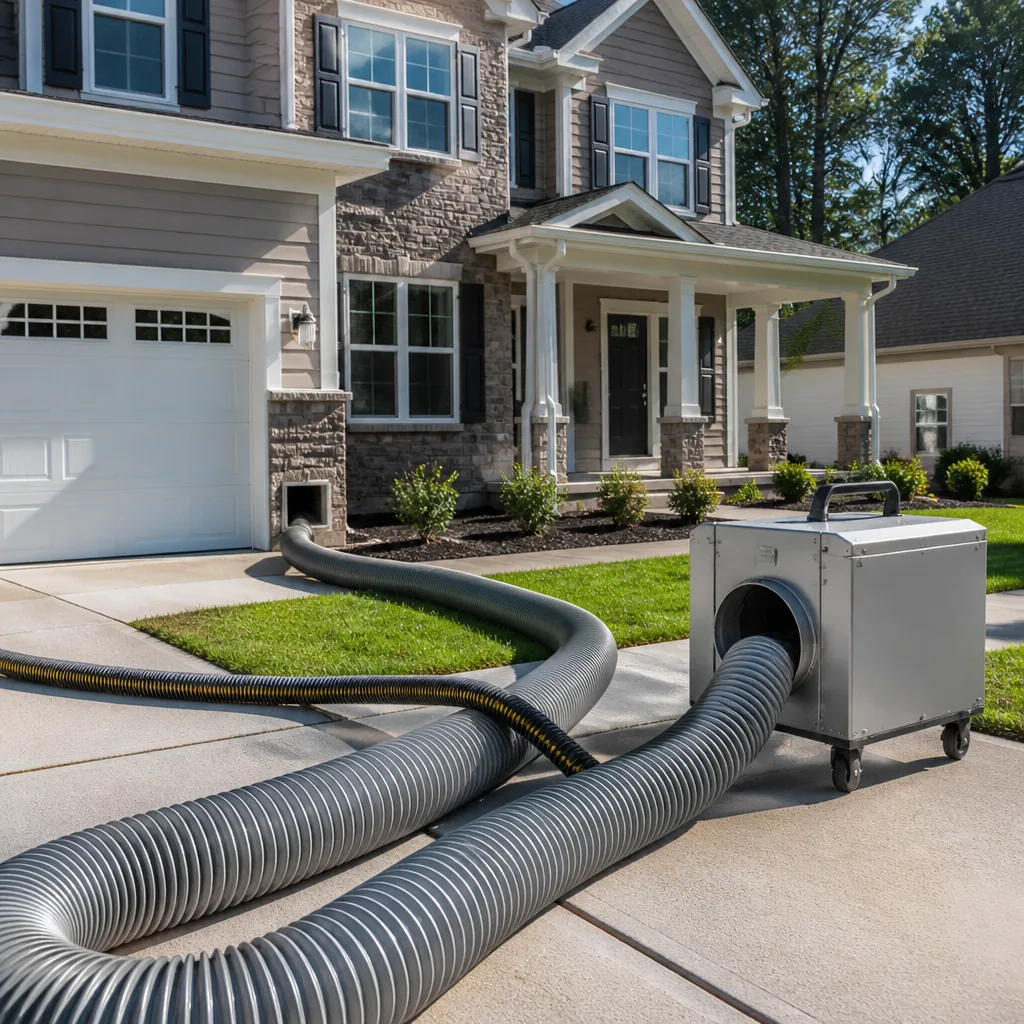 Whole-home duct cleaning
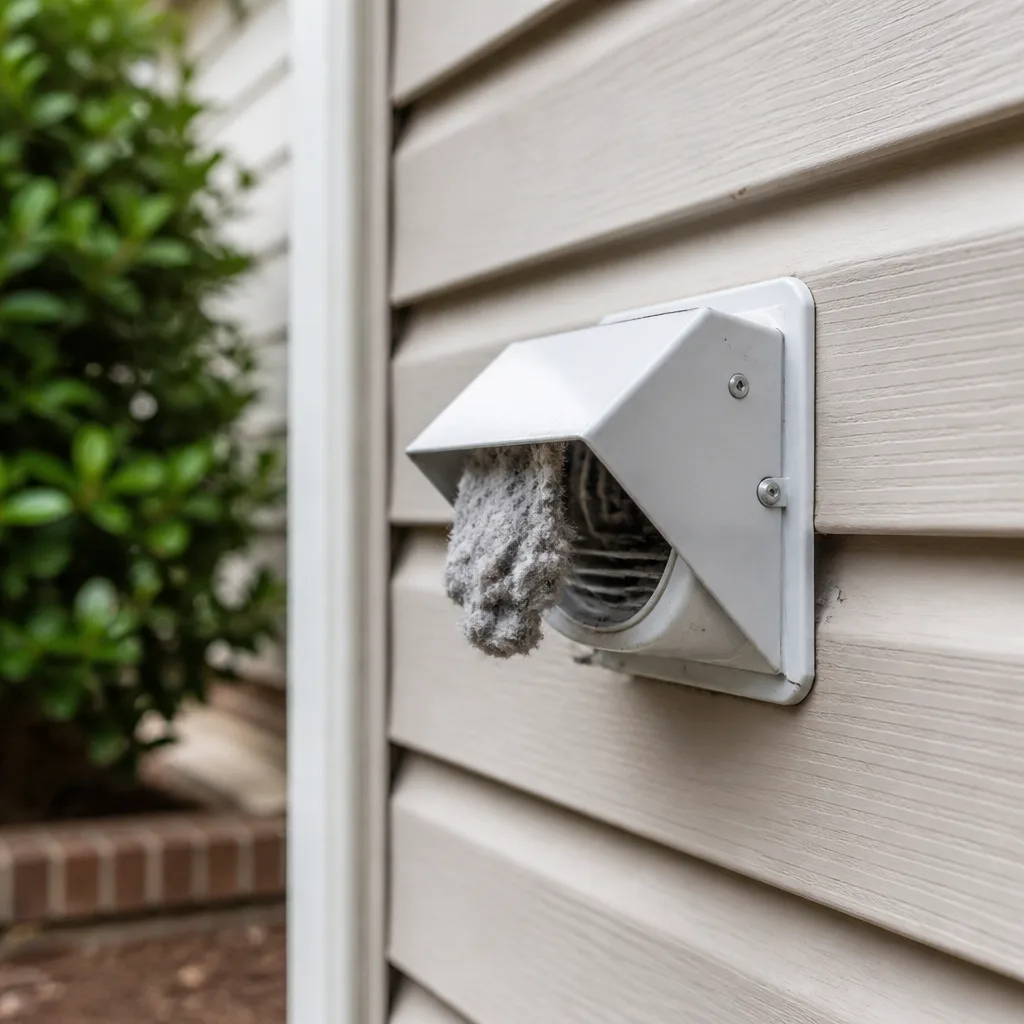 Dryer vent cleaning
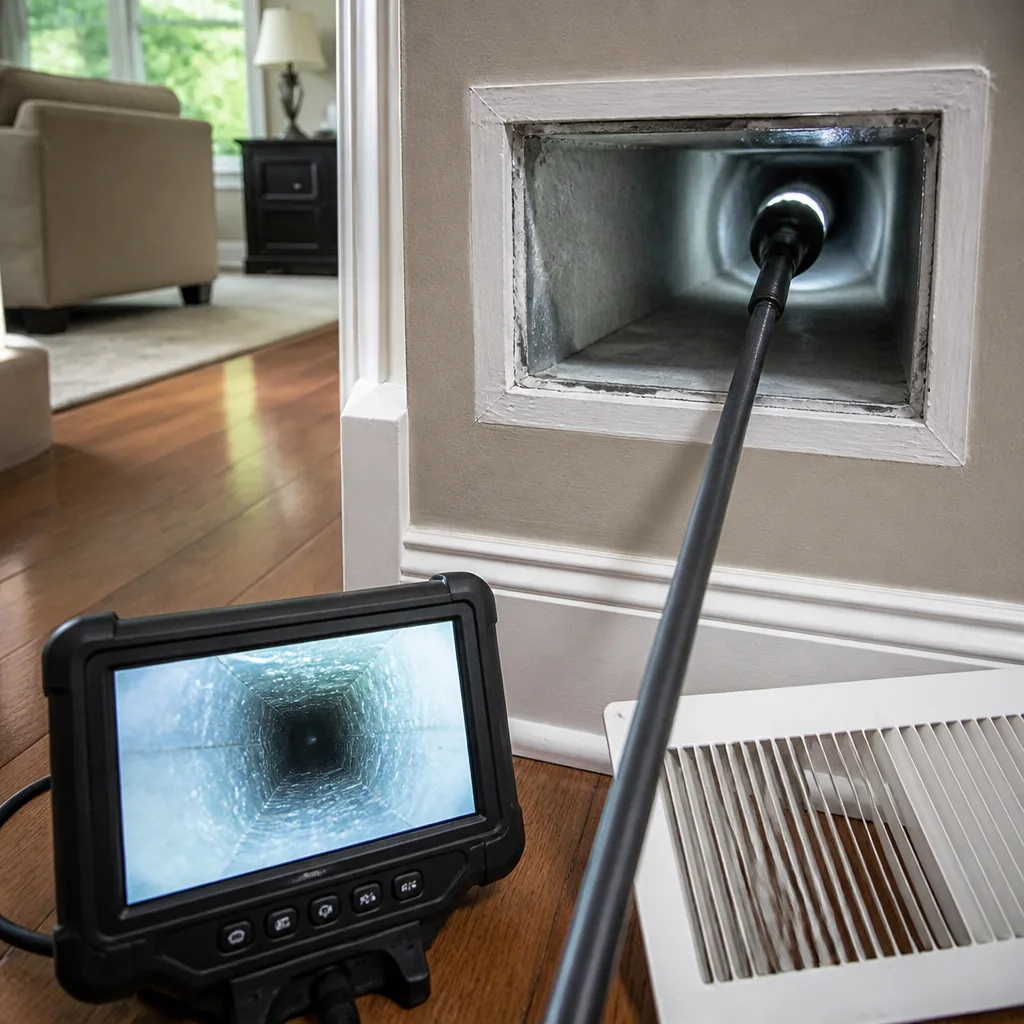 Camera inspection
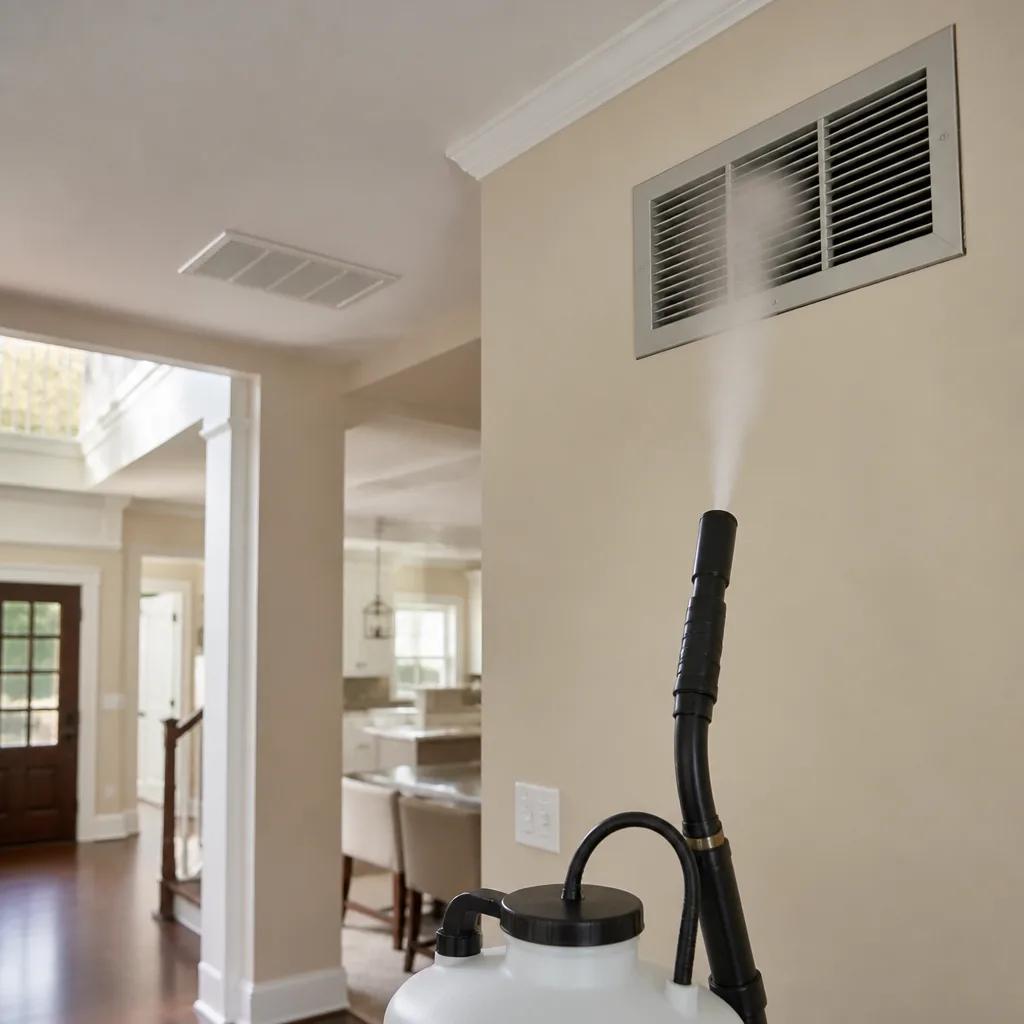 Sanitizing & deodorizing
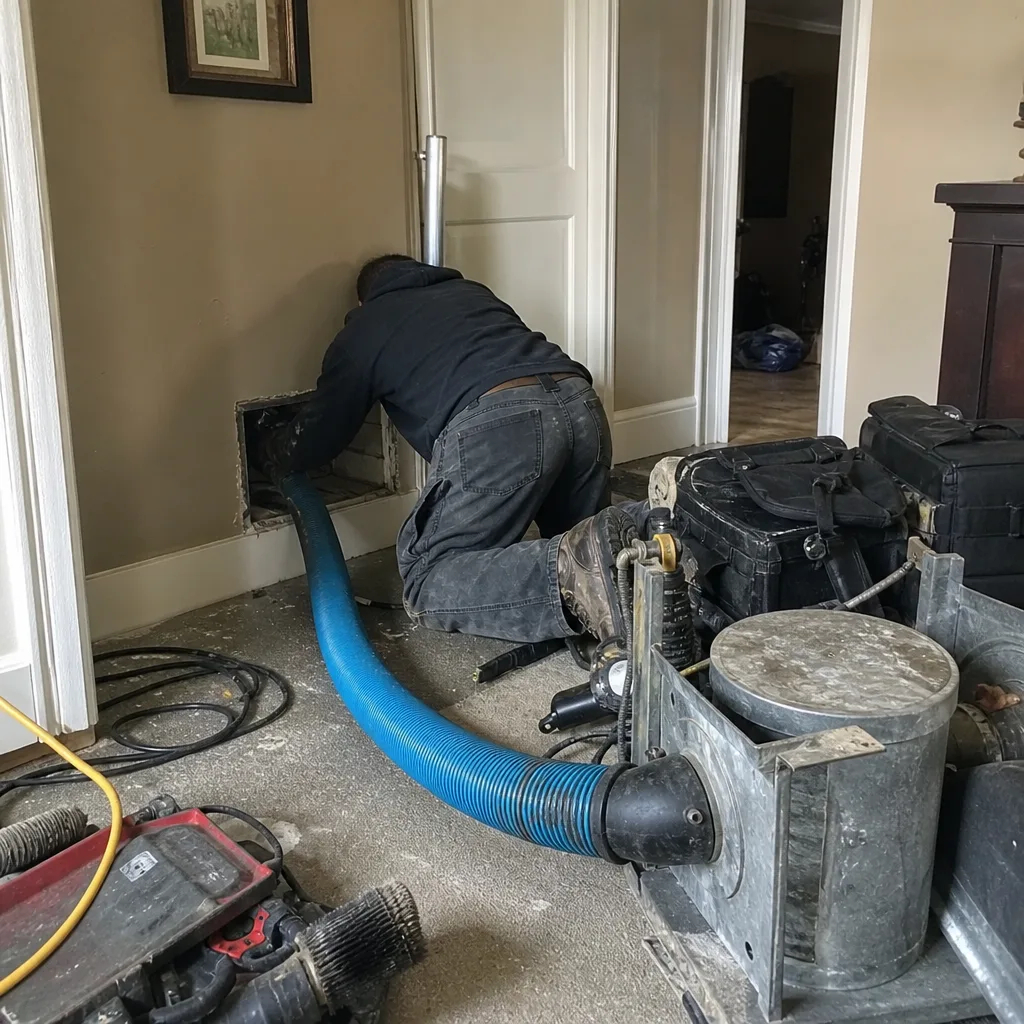
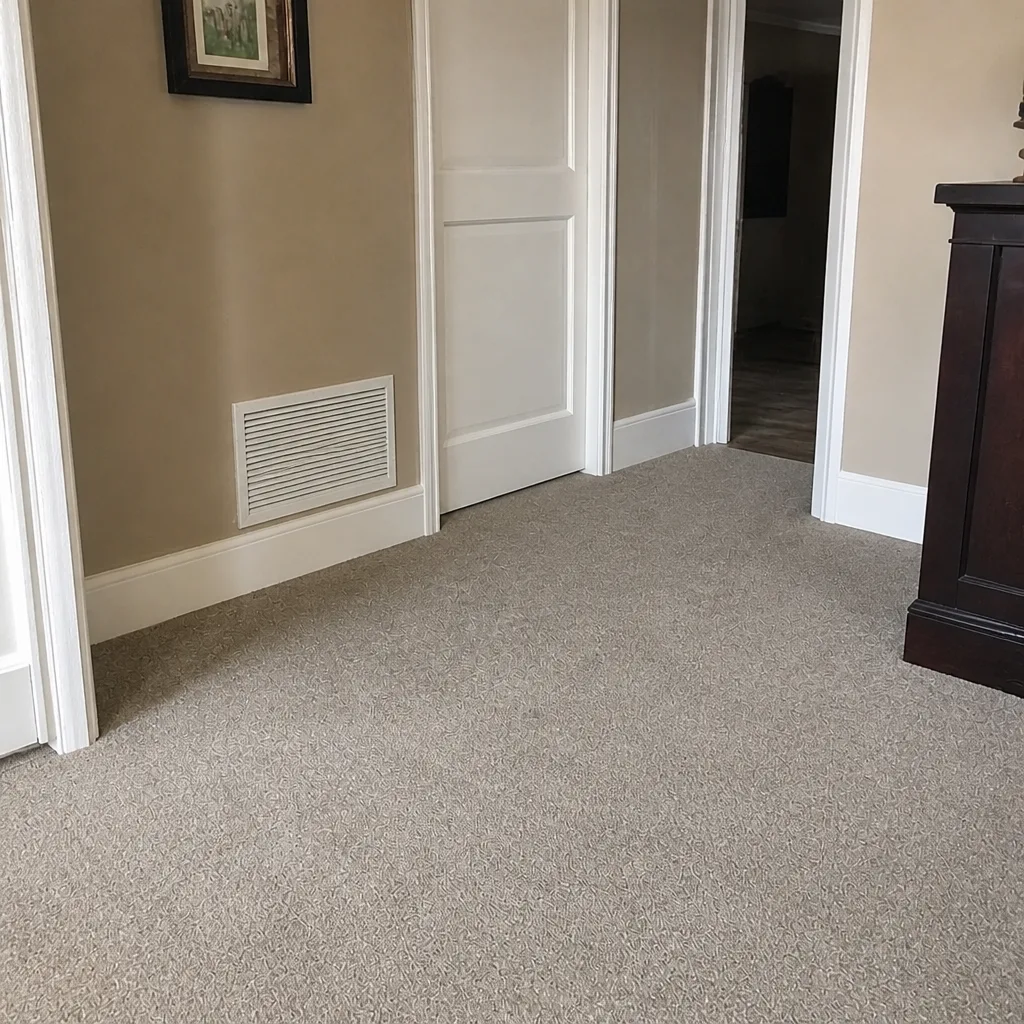
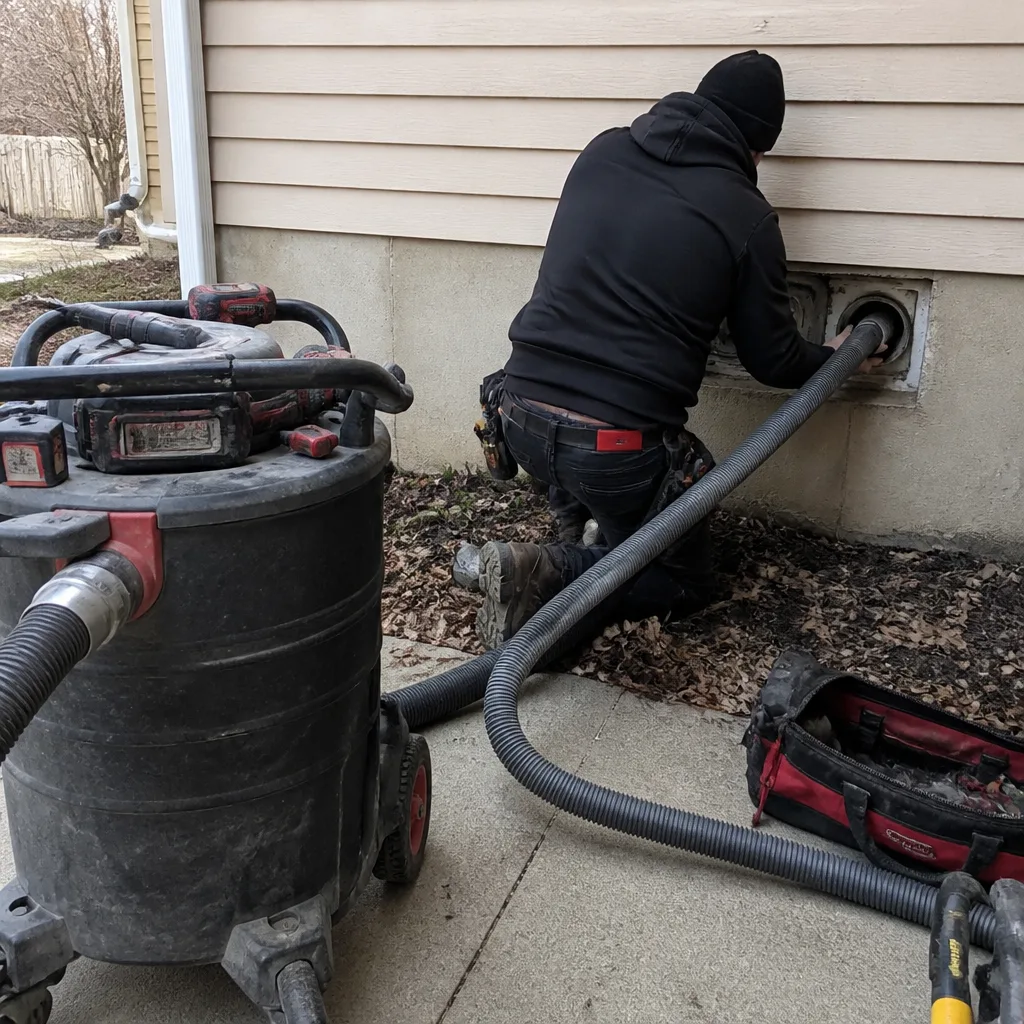
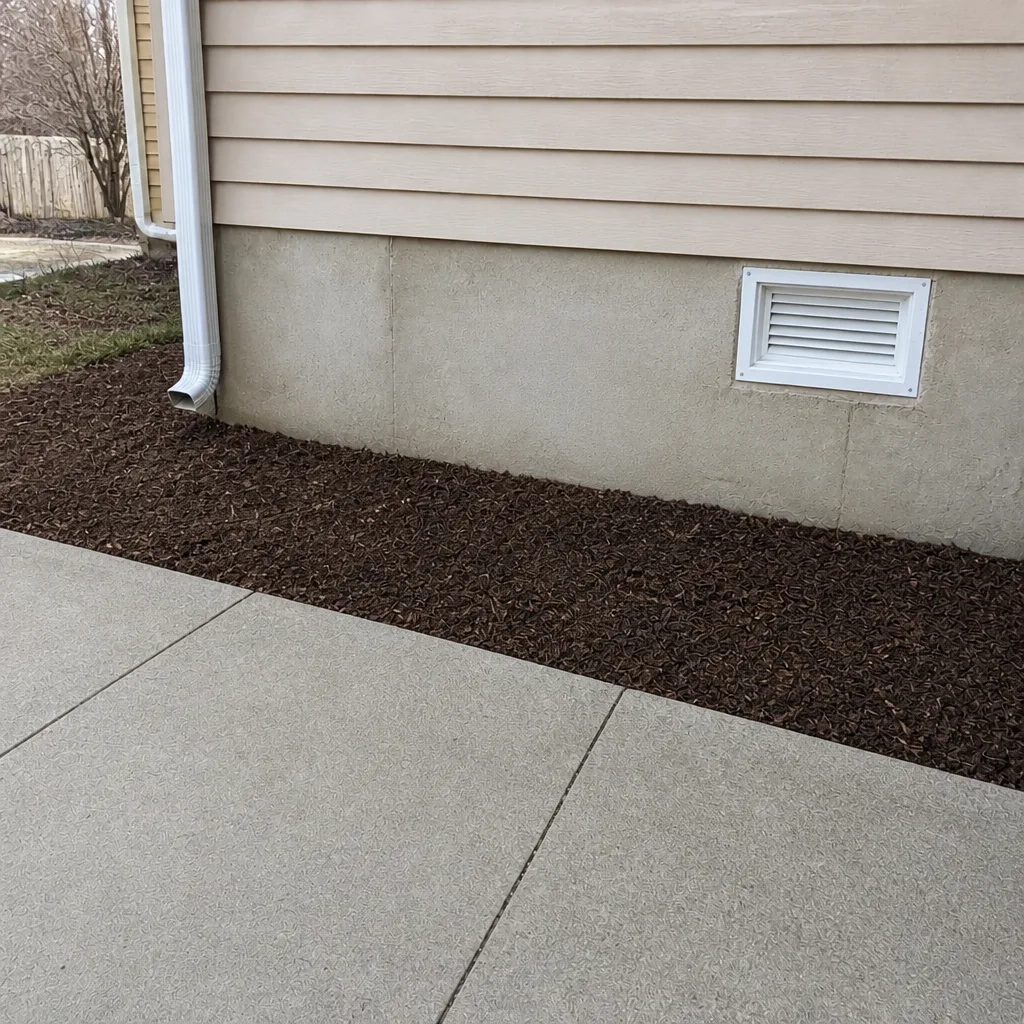
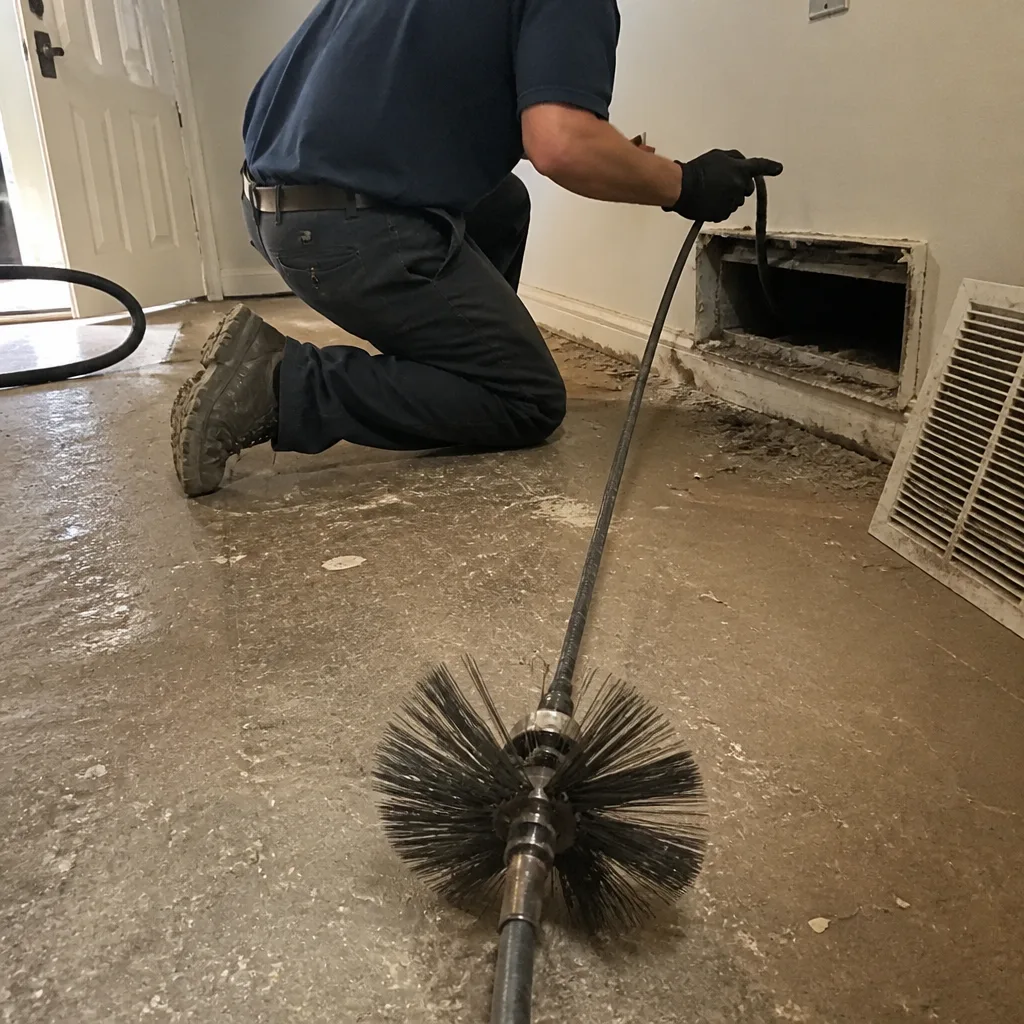
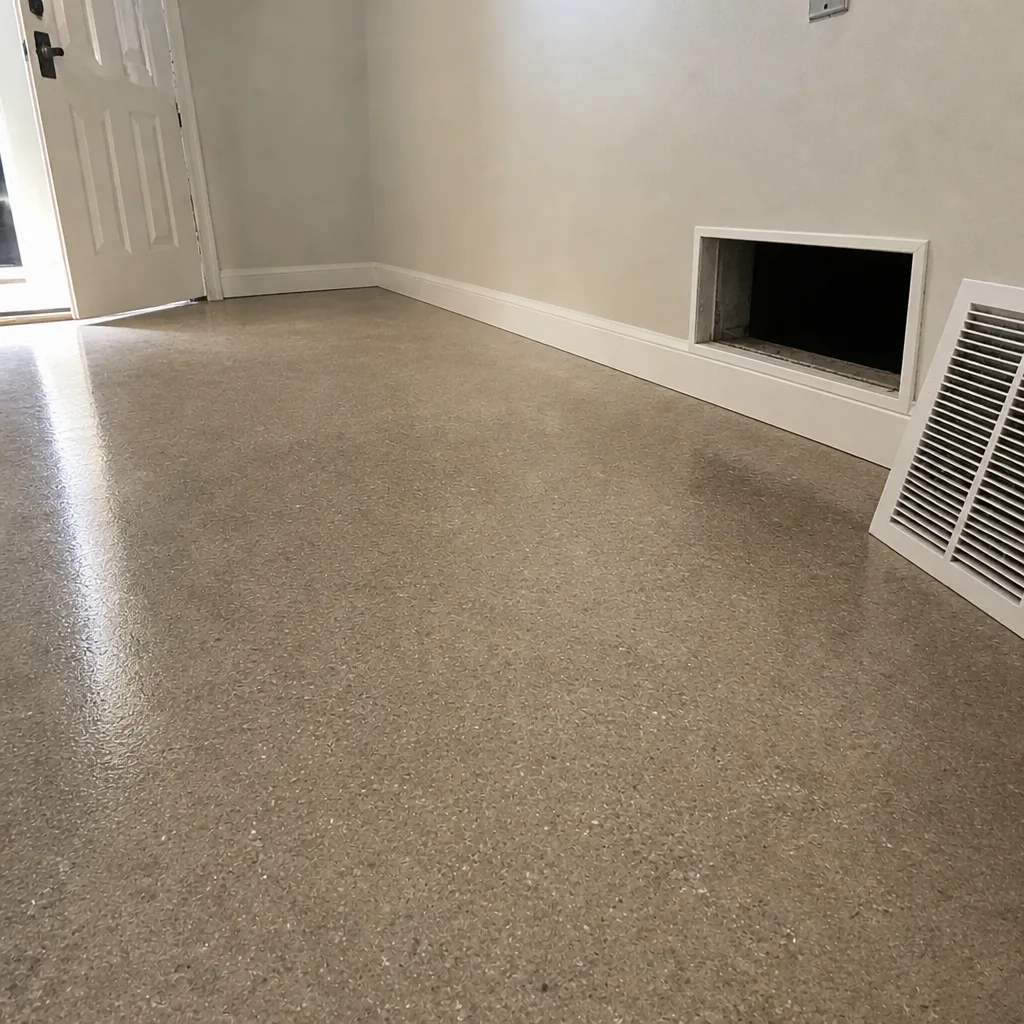
Whole-system duct and dryer vent check with before-and-after photos - you see exactly what came out of your vents
That "$99 whole-house special" is a bait ad - the real number appears once they are in your hallway, or the "clean" is a shop-vac at the register. We photograph the inside of your ducts before and after instead.
Air Duct Cleaning Maintenance Checklist for Bountiful Homeowners
Most homeowners think about their ducts once: when something smells, whistles, or a bill spikes. That’s backwards. The duct system in a Bountiful house is the one part of the HVAC setup you can’t see, which is exactly why it gets ignored until a small problem becomes an expensive one. A crushed dryer vent behind the appliance, a disconnected flex run in the crawlspace, a filter that’s been bypassing dirt for a year – none of these announce themselves. What follows is the checklist we’d hand to a neighbor: monthly, quarterly, and annual tasks tuned to how Bountiful’s seasons actually load your system, plus the conditions that mean stop and call someone. You’ll finish knowing what to check, when, and what’s normal.
Quick Answer
A duct maintenance checklist for a Bountiful home should combine monthly filter checks, quarterly visual inspections of accessible runs and the dryer vent, and an annual full-system cleaning tied to the seasonal cycle here: late-fall prep before inversion season, spring cleanup after construction dust, and a wildfire-smoke review in summer. Any sign of a disconnected duct, rodent activity, moisture, or a crushed dryer vent means calling a professional rather than waiting for the routine date.
Styles & brands we work with
- Whole-home duct cleaning
- Dryer vent cleaning
- Camera inspection
- Sanitizing & deodorizing
Table of Contents
- Why Bountiful Homes Need a Duct Checklist, Not Just a Cleaning
- The Monthly Checklist
- The Quarterly Checklist: Inspecting Accessible Duct Sections Yourself
- Choosing the Right Filter MERV Rating for Bountiful’s Particulate Load
- The Dryer Vent Inspection Protocol
- Seasonal Duct Maintenance Tied to Bountiful’s Cycles
- Checklist Conditions That Mean Call Now vs. Schedule Later
- Common Mistakes to Avoid
- When to Call a Professional
- Frequently Asked Questions
Why Bountiful Homes Need a Duct Checklist, Not Just a Cleaning
A one-time cleaning resets the clock. A checklist keeps it from running down. Those are different jobs, and the distinction matters more in Bountiful than in a lot of places because the same house has to handle three very different loads across a year.
From late fall into winter, the valley sits under temperature inversions that trap cold air and particulate close to the ground. Your furnace is running hard at the same time, pulling that trapped air through the return, across the filter, and out the registers. Whatever the filter misses settles in the ducts. Then spring arrives with wind and construction dust, and summer brings wildfire smoke drifting into the valley on the right wind pattern. A system that was clean in October can be carrying a season’s worth of fine particulate by July.
There’s a structural side too. Many Bountiful homes have ductwork running through unconditioned crawlspaces, attics, and garages. That’s where we most often find the failures a checklist is built to catch:
- Disconnected or separated joints – a run that’s pulled apart at a fitting, leaking conditioned air into a crawlspace and pulling dirty air back in.
- Crushed or kinked flex duct – usually where a run bends sharply around a joist or gets stepped on.
- Rodent intrusion – chewed flex, nesting material, and the smell that follows. Common in crawlspaces near the foothills.
- Insulation breakdown – the outer vapor barrier on flex duct cracking or the interior liner degrading, which introduces fiberglass particles into the airstream.
- Moisture intrusion – condensation, a slow leak, or damp crawlspace air finding its way into the system.
None of these are visible from the register. All of them degrade air quality and efficiency quietly, month after month. The checklist exists to surface them before they compound. Our Bountiful Air Duct Cleaning approach starts with the full pathway for that reason – the ducts, the HVAC unit, and the dryer vent all get looked at, because a system is only as clean as its dirtiest segment.
The Monthly Checklist
Monthly tasks take ten minutes and catch the fast-moving problems. Here’s the routine:
- Check the filter. Pull it and hold it up to a light. If you can’t see light through it clearly, replace it. In a home with pets or a smoker, this can mean every 30 days rather than the 90 on the package.
- Look at the return grille. Dust caked on the grille is air that never made it to the filter. Vacuum the face. If it’s coated again in a month, that’s a filter-sizing or bypass signal, not a cleaning problem.
- Listen at the registers. With the system running, put a hand near each one. You should feel steady airflow. A register that’s noticeably weaker than its neighbors points to a leak, a crushed run, or a damper that’s closed.
- Smell the air. A musty or dusty smell when the system kicks on usually means something’s growing or accumulating in the duct or on the coil. Note it and act on it – don’t wait for the annual cleaning.
- Run the dryer vent check. After a load, go outside and confirm the exterior cap flap is open and lint is blowing out. If it’s not, you’ve caught a potential fire hazard early.
Keep a simple log. Date, filter change, anything you noticed. It sounds fussy, but it’s the difference between scheduling maintenance and reacting to a breakdown. When a technician shows up, that log tells them exactly where to look. The technicians we connect you with have up to 8 years of experience reading those signs, and a written history makes the diagnosis faster.
The Quarterly Checklist: Inspecting Accessible Duct Sections Yourself
You don’t need professional tools to look at what’s visible. You do need to know where the access points are and what you’re looking for. Locate your furnace, then trace the main trunk and any branch runs you can reach through an access panel, attic hatch, or crawlspace door. With the system off:
- Inspect the joints first. Where two duct sections meet, look for separation, torn tape, or gaps. Press on the connection gently. If it moves freely or you can see daylight through it, it’s leaking.
- Look for crushed flex. On flexible duct, look for sections that are flattened, sharply bent, or kinked. A flex run should be as straight as the space allows, with gentle bends. A crushed section is a bottleneck.
- Check the insulation. Look for tears in the outer jacket, exposed interior liner, or crumbling insulation. Fiberglass liner that’s breaking down introduces particles into the airstream – that’s a call-now condition.
- Look for rodent signs. Droppings, nesting material, chewed edges, or a damaged vapor barrier all count. Rodents are drawn to the warmth of a crawlspace near the hillsides, and a chewed duct is both an air quality and an efficiency problem.
- Check for moisture. Damp insulation, water stains, or condensation on the duct exterior mean a leak or a humidity problem. Ductwork sitting in standing water or wet insulation won’t dry out on its own.
- Take a photo of anything that looks off. A photo of a suspicious joint is the single most useful thing you can bring to a professional call.
One caution: don’t do this around a running system, and never open the HVAC cabinet itself behind the service panel. The blower and the electrical connections behind that panel are for a trained professional. If you have to remove more than an access panel to look at something, stop there and photograph it instead.
Choosing the Right Filter MERV Rating for Bountiful’s Particulate Load
Filter rating is where most homeowners accidentally do more harm than good. The instinct is that higher MERV equals better air. Up to a point, yes. Past that point, the filter becomes a strain on your blower motor.
MERV is a scale of how effectively a filter captures particles of a given size. MERV-8 catches the larger dust and debris that’s routine in any home. MERV-11 to MERV-13 catches finer particles, including the smoke- and combustion-related particulate that shows up in the valley during inversion season and wildfire smoke. Here’s the practical guidance:
- MERV-8 to MERV-11 is the safe everyday range for most Bountiful homes. It protects the system without imposing meaningful airflow resistance.
- MERV-13 is what you want during heavy smoke or inversion periods, if your system is verified for it. The catch is that filter thickness and duct capacity matter. A MERV-13 in a thin 1-inch slot can restrict airflow more than it helps.
- MERV-14 and higher is typically too restrictive for a residential furnace blower unless the system was designed for it.
That’s why upgrading to a higher rating means checking the blower first. A filter that’s too restrictive makes the motor work harder, drops airflow to the registers, and can shorten the life of the blower and the compressor. The right filter is the one your system can handle, not the highest number on the shelf. Honeywell and Aprilaire filtration products let you move to a deeper filter cabinet designed for higher-efficiency media, which is the correct way to upgrade rather than squeezing a MERV-13 into the existing slot. If you’re considering that change, it’s worth having the airflow verified as part of the job – our air duct cleaning service includes a full-system check, and that’s the natural moment to assess filtration.
The Dryer Vent Inspection Protocol
Dryer vents are the most overlooked fire risk in a home. Lint is highly combustible, and it accumulates where no one looks – in the vent run and at the exterior cap. The good news: a five-minute check catches most problems.
Test the airflow. Start a load and wait a few minutes. Put your hand near the exterior vent cap. You should feel a strong, steady flow of warm air. Weak flow, or lint trickling out rather than blowing, means the run is restricted somewhere behind the dryer.
Inspect the exterior cap. The flapper should be open when the dryer runs and close freely when it stops. A cap that’s stuck, caked with lint, blocked by a bird, or clogged with debris from construction is a restriction. And if the cap is missing entirely, animals and debris can get in – rodents in the vent run are a real problem in Bountiful homes near the foothills.
Check the duct behind the dryer. Pull the appliance out carefully and look at the connector. You’re checking for two things: crushed flex duct (especially behind the bend where it leaves the wall) and a run that’s kinked or too long. A smooth metal run is better than a coil of flex, and a transition that’s crushed or kinked is a potential lint trap. Also look for a damaged, sagging, or vinyl connector – that’s for a professional to review, along with the vent run itself.
Once a year, have the vent cleaned from the interior connection all the way to the exterior cap. Our dryer vent cleaning service addresses the entire run, not just the part you can reach. If your dryer takes noticeably longer to dry a load than it used to, that’s a restriction signal – stop using it and get it inspected.
Seasonal Duct Maintenance Tied to Bountiful’s Cycles
This is where a generic checklist falls short. Bountiful’s seasons create specific maintenance windows, and hitting them keeps the system running efficiently.
Late Fall: Inversion Season Prep
This is the most important window. Before the furnace starts running full-time and the valley traps particulate under inversion, get a full-system cleaning. That resets the ducts so the winter’s air starts clean, and it’s the natural moment to install a fresh filter and check that all runs are sealed. A leaky system running all winter is a leaky system all winter – seal it before you need it.
Spring: Construction Dust and Wind
After any nearby construction, and after the spring winds, inspect the returns and the accessible runs. Construction dust is fine, abrasive, and load-bearing on the filter. Change the filter after any major construction activity near your home, and clean the grilles.
Summer: Wildfire Smoke and Cooling Load
When smoke drifts into the valley, your system is the front line. Keep the filter fresh, run the fan to circulate through filtration rather than leaving the air stale, and check that the system isn’t pulling unfiltered air from a leaky crawlspace. If you plan to sanitize, our HVAC cleaning service covers the air handler and coil, which is where smoke residue and particulate tend to settle.
Year-Round: One Full-System Cleaning
A full cleaning once a year is the baseline most Bountiful homes need, with the exact timing set to your household – pets, allergy sufferers, or a recent renovation may shorten that interval. The checklist above catches problems between cleanings.
Checklist Conditions That Mean Call Now vs. Schedule Later
Two categories, and the distinction saves money. Call now (or stop using the system) if you find:
- Weak or no airflow at a register after confirming the filter is clean and the damper is open.
- Any smell of burning, or a dryer vent that’s clearly restricted or producing weak airflow.
- A detached or visibly leaking duct joint – this is air you’re paying to heat or cool going into a crawlspace.
- Rodent activity in the duct or around the system – droppings, chewed duct, nesting material.
- Moisture, water stains, or wet insulation on ductwork.
- Crushed dryer vent flex duct or a connector that’s failing.
Schedule later (routine timing) if you’re seeing:
- Dust on the return grille or a filter that needs changing sooner than expected.
- A faint musty smell that comes and goes.
- An annual cleaning that’s come around.
- A filtration upgrade you want to plan for.
The logic: call-now conditions are active failures that worsen every day, while routine tasks are upkeep. Trust the checklist. If you’re unsure which group a condition belongs to, photograph it and call – a quick look often settles it.
Common Mistakes to Avoid
- Assuming a clean-looking register means a clean duct. The register is the last stop in the system and the grille catches the big stuff. The accumulation that matters is in the trunk, branch runs, and air handler behind it.
- Dropping to a MERV-13 filter without checking airflow. A restrictive filter strains the blower motor and can hurt the system more than the dirt it’s replacing.
- Neglecting the dryer vent because it “still works”. A dryer that dries a little slower is the early warning. Lint builds up without announcing itself, so inspect the run and the exterior cap instead of relying on how the laundry feels.
- Sealing a duct without cleaning it first. Sealing a dirty system traps the dirt you were trying to get rid of. Clean, then seal, in that order.
- Skipping the crawlspace and attic runs. In Bountiful homes, that’s where the failures live – crushed flex, chewed insulation, disconnected joints. The parts you can’t see are the reason for the checklist.
- Confusing a duct cleaning with HVAC cleaning. The ducts and the air handler are separate components. Cleaning only the ducts leaves the coil, which is where moisture and odor settle.
- Cleaning only at the register from a shop vac. A shop vac doesn’t reach the duct run and can’t lift the accumulation attached to the walls. The professional rotary brush systems – the Rotobrush system we use is built for this – are what actually clean the ducts.
When to Call a Professional
Some of this checklist belongs in your hands: changing filters, watching airflow, and looking at joints. Some of it belongs to a technician with the right equipment. Call a professional if you find a detached or leaking run, visible rodent activity, crushed dryer vent ducting, moisture in or around ductwork, or a persistent musty smell when the system runs. Call if you’re planning a filtration upgrade, because the airflow needs to be verified before higher-MERV media goes in. And call for the annual full-system cleaning – that’s the item it’s easiest to put off, and the one with the biggest cumulative payoff for Bountiful homes. Bountiful Air Duct Cleaning offers free estimates in Bountiful. Call (866) 947-9113 – we answer 24/7, with fast dispatch from 7am to 7pm, Sunday through Friday.
Frequently Asked Questions
Most homes here do best with one full-system cleaning a year, timed to late fall before the furnace runs hard through inversion season. Households with pets, smokers, allergy sufferers, or a recent renovation may need it more often. The checklist above is what catches problems between cleanings. Call (866) 947-9113 for an exact quote – estimates are free.
You should find connected, sealed joints; straight or gently bent flex runs; intact insulation; and no droppings, moisture, or chewed material. Anything that fails those four checks is worth photographing and having a professional look at. Call (866) 947-9113 for an exact quote – estimates are free.
Not safely, no. MERV-13 in a 1-inch slot can restrict airflow enough to strain the blower motor, so the correct approach is to have the system’s airflow verified first, ideally with a filter cabinet designed for higher-efficiency media. Honeywell and Aprilaire filter housings are built for exactly that. Call (866) 947-9113 for an exact quote – estimates are free.
If a load takes longer than it used to, if airflow at the exterior cap feels weak, or if you can see lint caked at the cap or a crushed connector behind the dryer, it needs attention. A dryer vent is a fire risk, and lint builds up where no one looks. Call (866) 947-9113 for an exact quote – estimates are free.
Cheap quotes usually cover only part of the system – a brush through the registers, or a consumer vac, without the full trunk, branch runs, air handler, or dryer vent. We quote the whole system, one flat price per system, agreed before work starts. Ask any company what’s actually included. Call (866) 947-9113 for an exact quote – estimates are free.
Ask for before-and-after photos of your own ducts, not stock images. We photograph the system before and after, and you see the photos of your home. That’s how you verify – not by taking anyone’s word for it. Call (866) 947-9113 for an exact quote – estimates are free.
The Bottom Line
A duct maintenance checklist is really a way of staying ahead of what’s invisible. Monthly filter and airflow checks catch the fast problems. Quarterly inspections of accessible runs and the exterior dryer cap catch the structural ones – disconnection, crushed flex, insulation breakdown, rodent activity, moisture. The annual full-system cleaning resets the clock before inversion season, and the seasonal windows around construction dust and wildfire smoke keep it from loading up in between. Hit those checkpoints and you’ll spend less on heating and cooling and breathe easier in a Bountiful home. Need help with any of it? Call (866) 947-9113 – free estimates, one flat price per system agreed before work starts. We answer 24/7, with fast dispatch from 7am to 7pm, Sunday through Friday. Breathe the difference.
Written by the team at Bountiful Air Duct Cleaning.
See the difference
 Before
 After
 Before
 After
 Before
 After