
Last updated November 24, 2026
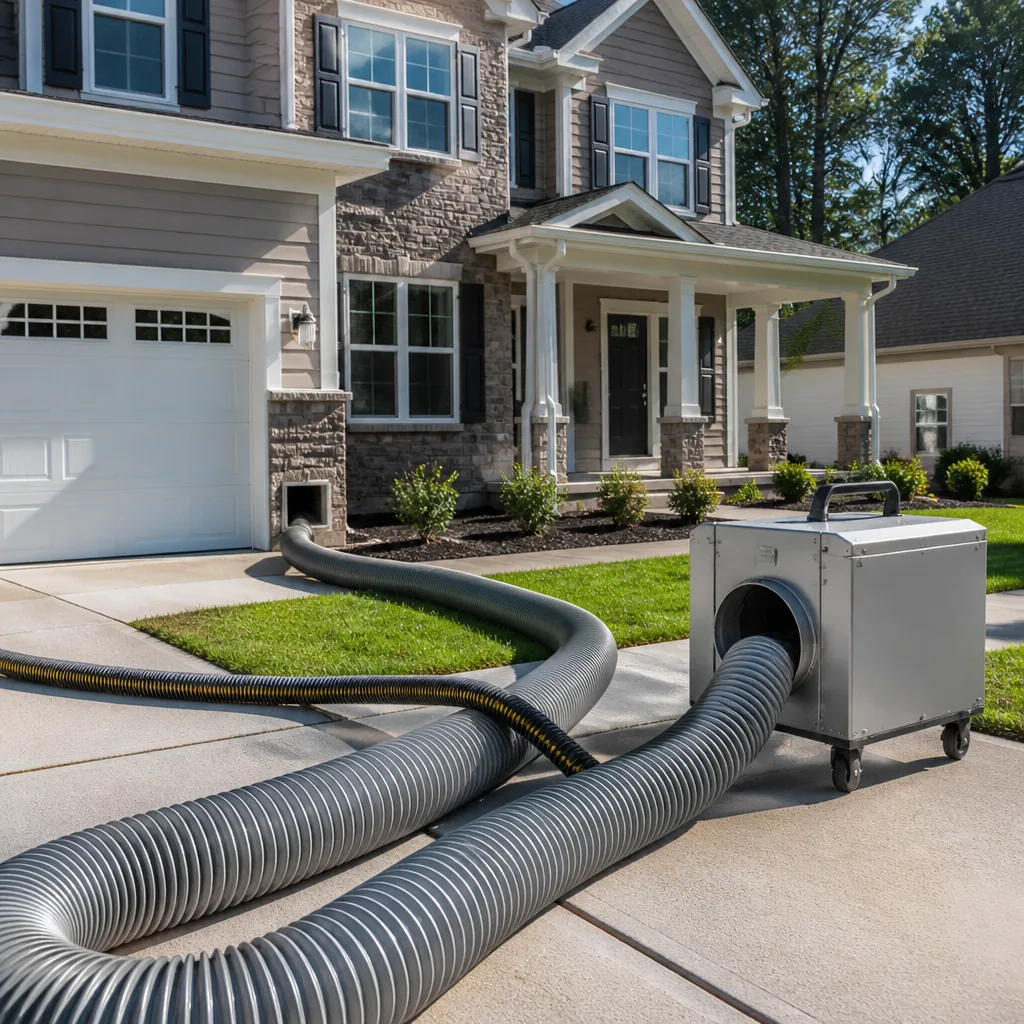 Whole-home duct cleaning
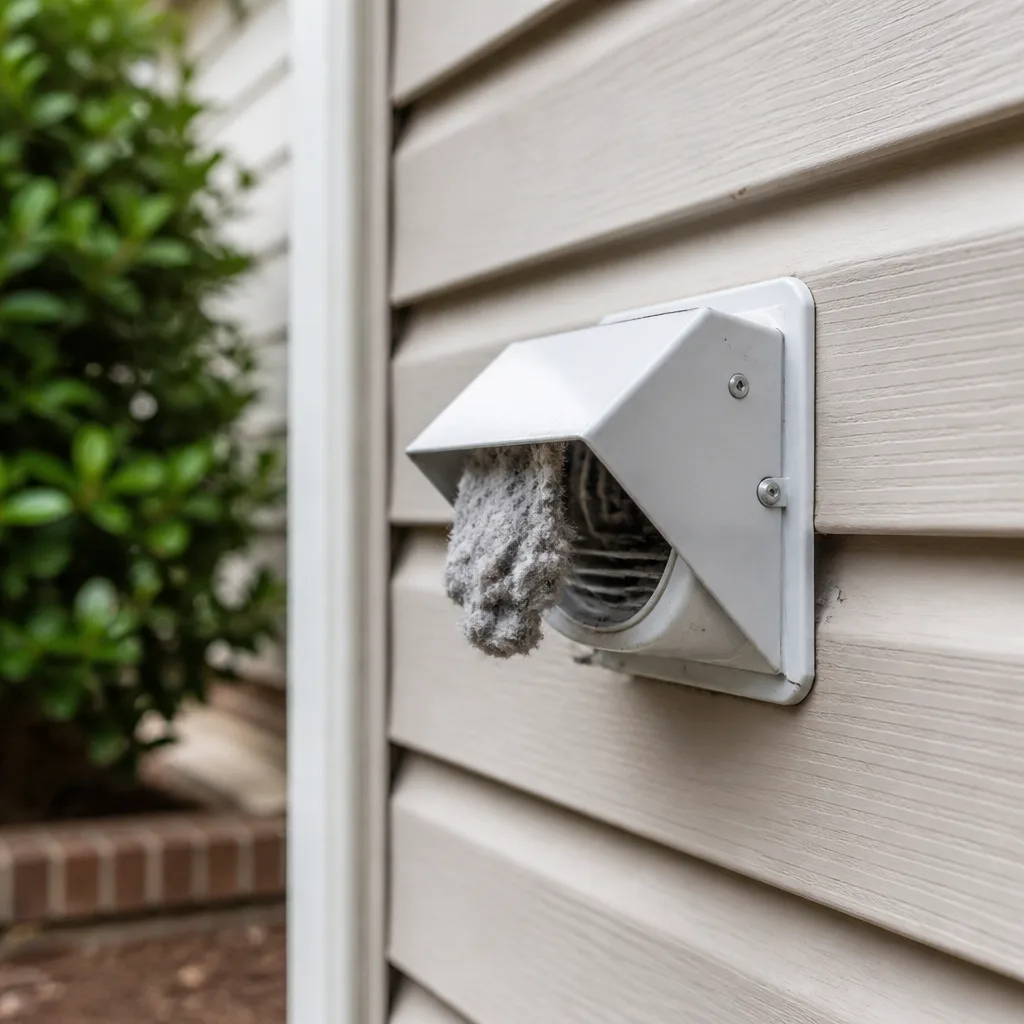 Dryer vent cleaning
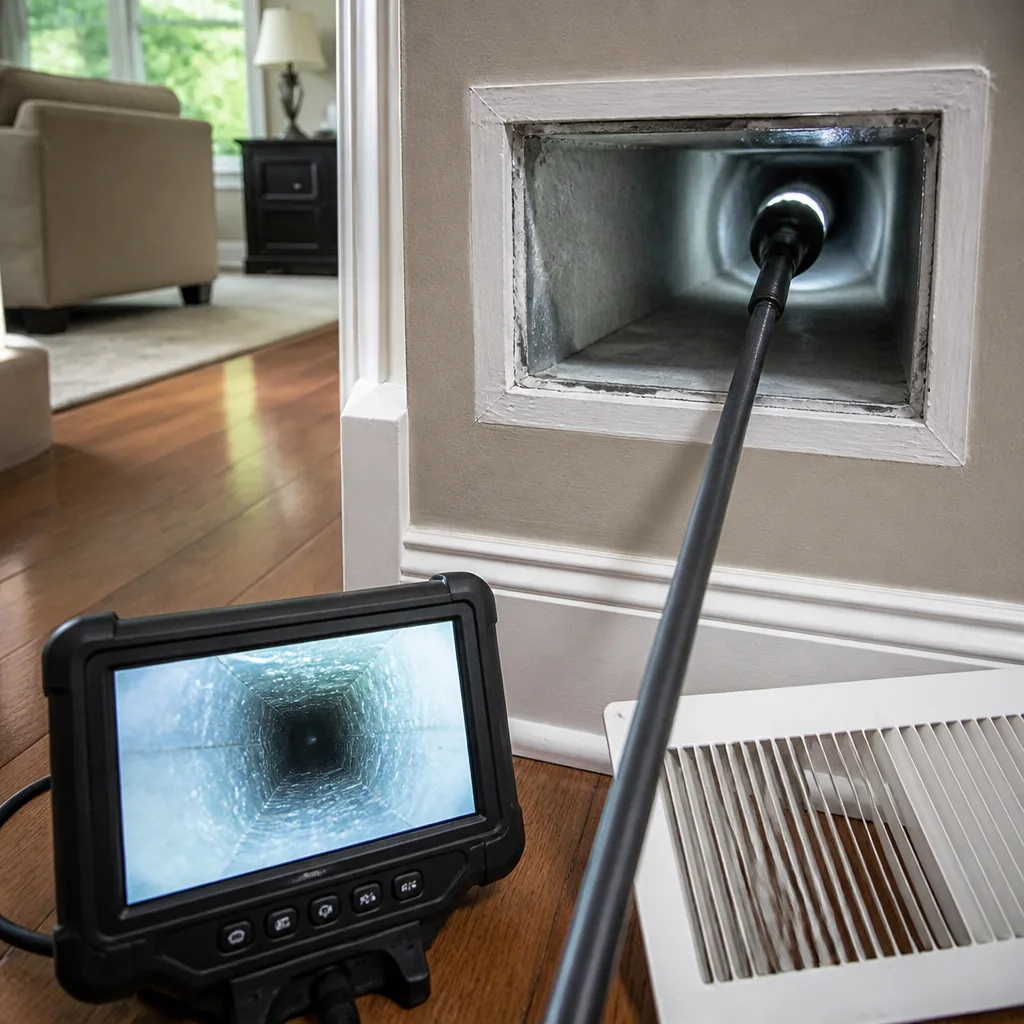 Camera inspection
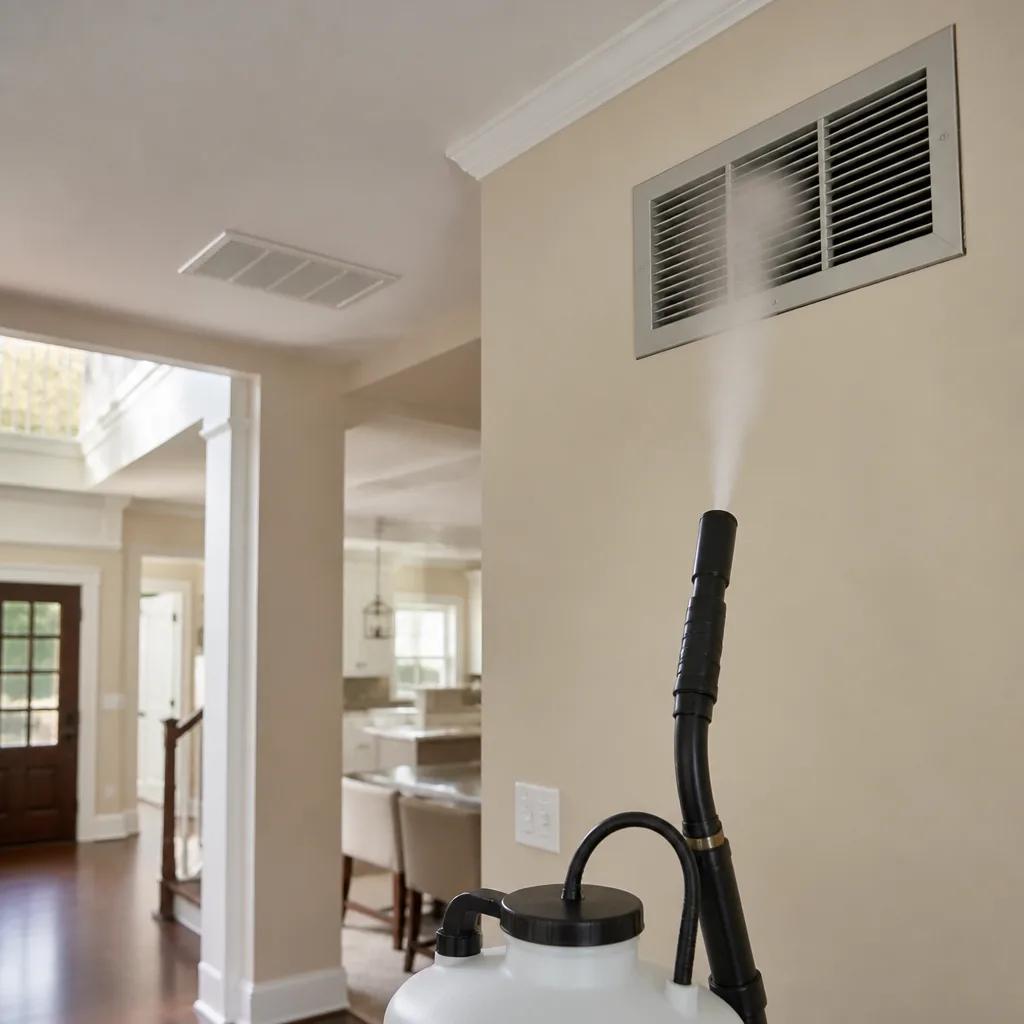 Sanitizing & deodorizing
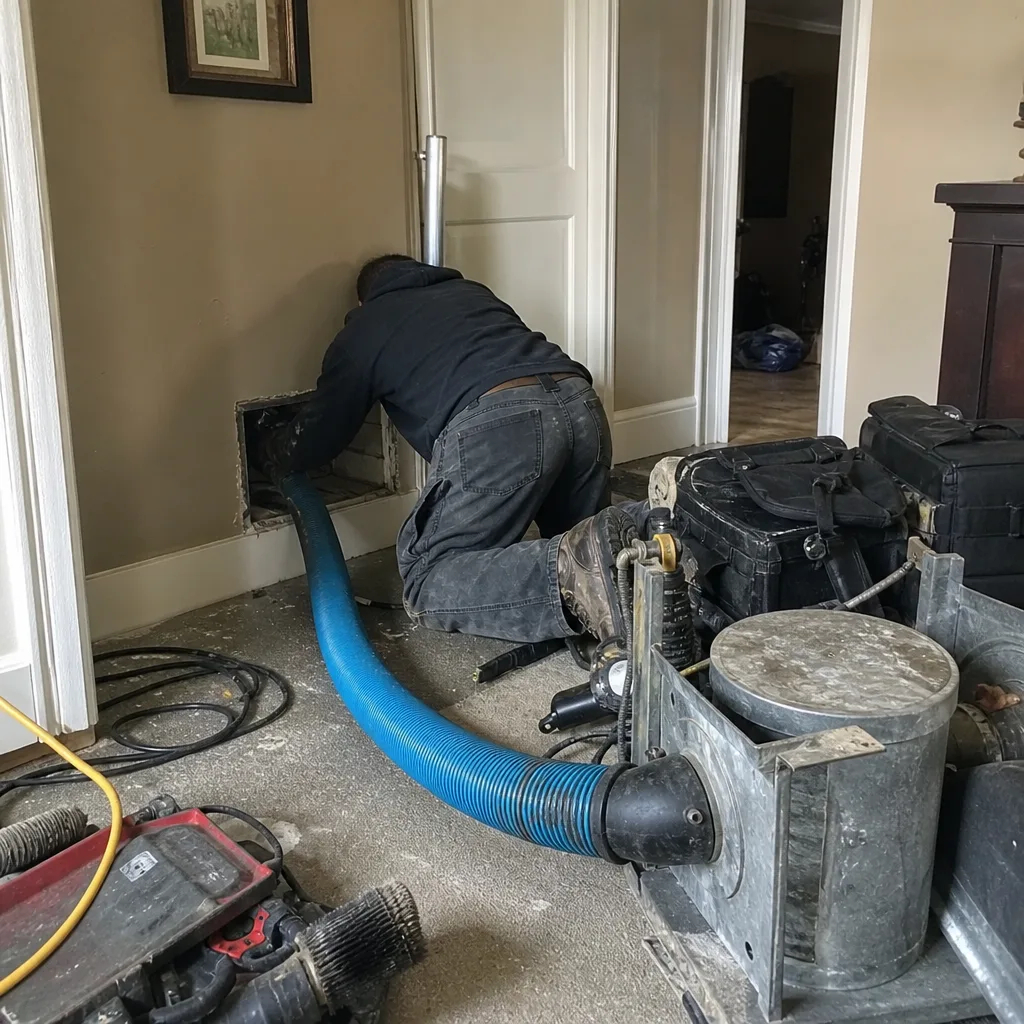
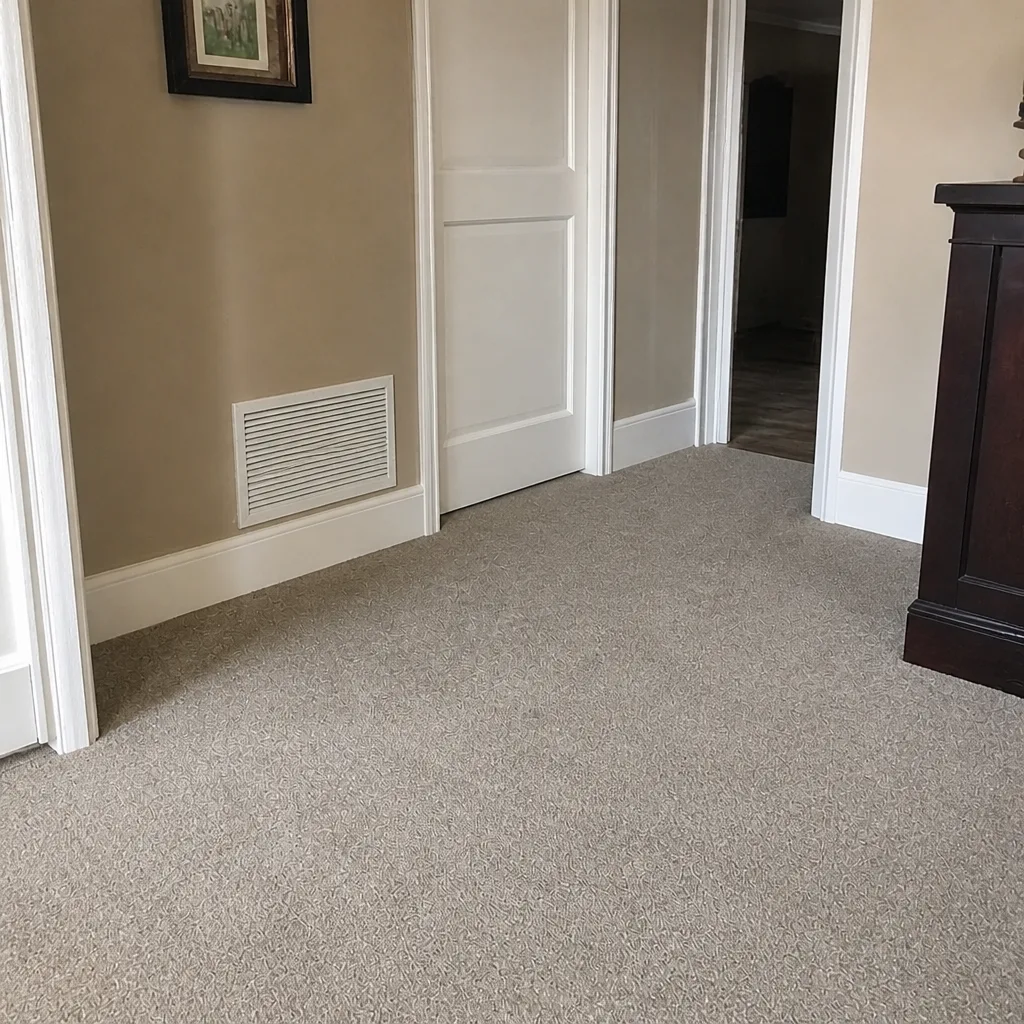
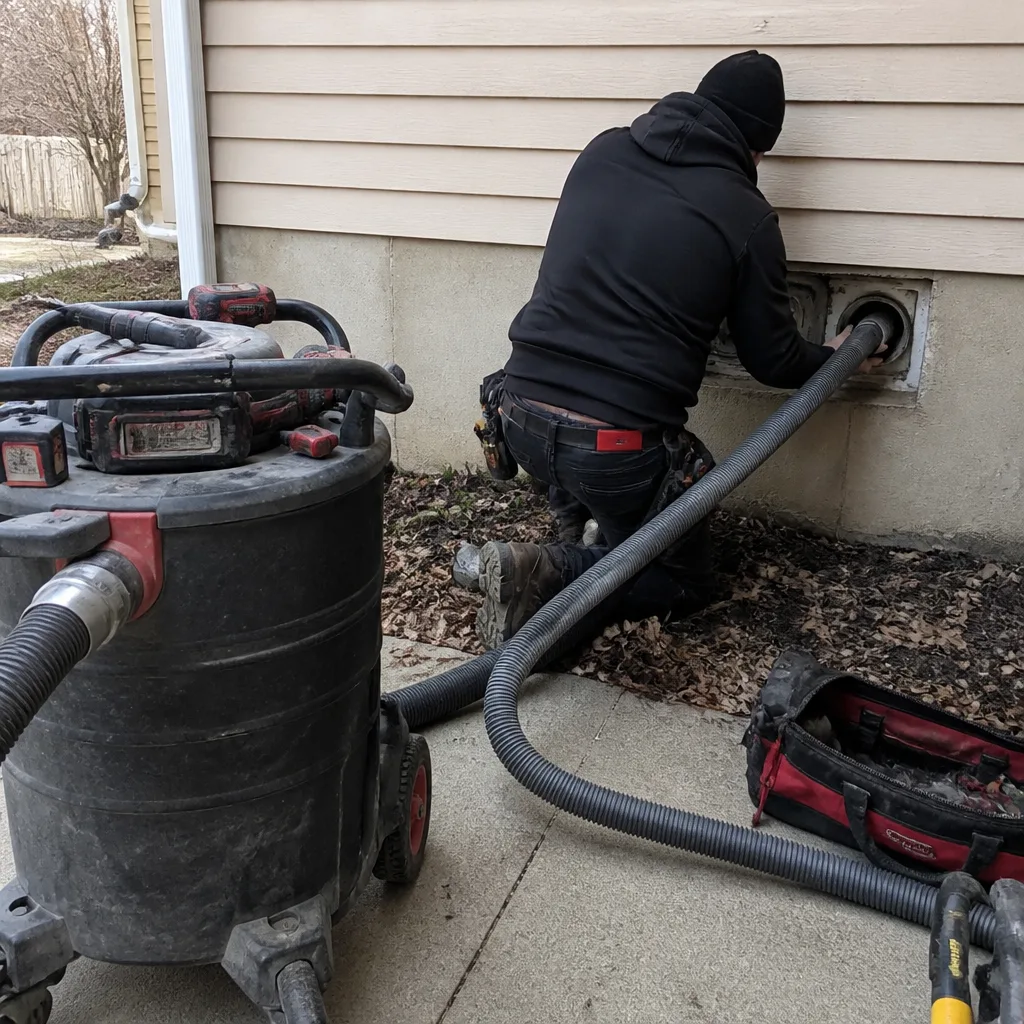
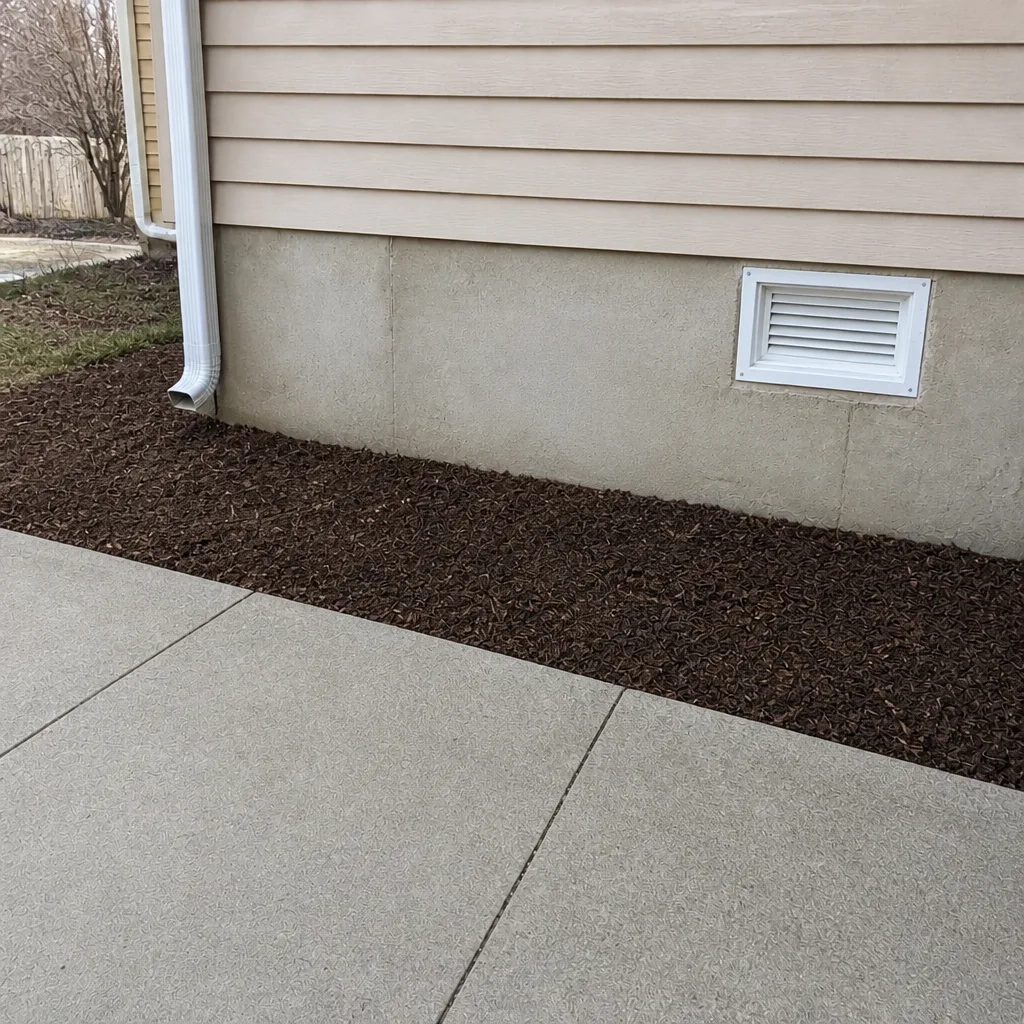
Whole-system duct and dryer vent check with before-and-after photos - you see exactly what came out of your vents
That "$99 whole-house special" is a bait ad - the real number appears once they are in your hallway, or the "clean" is a shop-vac at the register. We photograph the inside of your ducts before and after instead.
Air Duct Cleaning Permits, Codes & Inspections in Bountiful, UT: What You Need to Know
Here’s the part most homeowners never hear: air duct cleaning doesn’t require a permit in Bountiful, but repairing what a cleaning turns up often does. The line between the two isn’t printed on any invoice, and it moves the moment a technician reattaches a disconnected duct, swaps out a dryer vent, or reseals a plenum. That quiet repair can cross into mechanical work that Utah code and Davis County expect a licensed contractor to handle. In this guide we’ll walk through exactly where that line sits, what Bountiful City and Davis County building departments look at, how NADCA standards fill the gap where state licensing doesn’t, and what documentation protects you after the work is done.
Quick Answer
Air duct cleaning itself is not a permitted activity in Bountiful, so routine cleaning of ducts, registers, and the HVAC air handler requires no building permit. But once a company cuts into, replaces, reconnects, or modifies ductwork or a dryer vent system, that work can fall under Utah’s residential mechanical code and may require a licensed HVAC contractor and a permit from the local building department. The practical rule: cleaning doesn’t need a permit, repairing or altering the system might. Always ask which category a job falls into before work begins.
Styles & brands we work with
- Whole-home duct cleaning
- Dryer vent cleaning
- Camera inspection
- Sanitizing & deodorizing
Table of Contents
- Cleaning vs. Mechanical Work: Where the Line Is
- What Bountiful Considers Duct Repair vs. Duct Cleaning
- Do You Need a Permit for Air Duct Cleaning in Bountiful?
- Handling Code Violations Found During Cleaning
- NADCA Standards: The Benchmark When Licensing Doesn’t Apply
- Post-Cleaning Documentation That Actually Matters
- Inspections, Disputes, and Real Estate Transactions
- Why Bountiful’s Climate and Housing Make This Matter
Cleaning vs. Mechanical Work: Where the Line Is in Bountiful
When we explain this to homeowners in Bountiful, we start with a plain distinction. Cleaning removes what’s already inside the system. Mechanical work changes the system itself. Those are two different activities with two different sets of rules, and only one of them can trigger a permit or require a licensed contractor.
Cleaning covers the inside surfaces of supply and return ducts, the registers and grilles, the air handler and blower compartment, and the dryer vent. None of that alters the physical structure of your home’s mechanical system. It’s a maintenance task, like vacuuming a carpet, just at a scale that needs professional equipment.
Mechanical work is different. The moment a technician:
- Cuts a new opening or taps into an existing duct run
- Replaces a section of rigid or flexible ductwork
- Reconnects a duct that has separated from a boot or plenum
- Installs, removes, or repositions a damper
- Replaces a dryer vent with new materials or a different configuration
- Reseals the plenum or changes the way the system connects to the air handler
…they’ve moved from cleaning into mechanical work. That’s the crossover point. In our experience, this happens more often than homeowners expect, because the cleaning process is exactly what reveals the disconnected joint or the sagging flex run in the first place. A technician who reattaches a duct without telling you has done work you didn’t know about, on a system that may not meet code once it’s changed. That’s the piece most people miss when they book a cleaning.
Crucially, the cleaning industry and the HVAC industry aren’t the same. A company that cleans ducts with a professional rotary brush system, like the Bountiful Air Duct Cleaning team uses, isn’t necessarily licensed for mechanical repair, and one that isn’t trained to seal a system shouldn’t be reconnecting it. Knowing who’s doing what, and being asked first, is the whole protection.
What Bountiful Considers Duct Repair vs. Duct Cleaning
The most useful way we can frame this for Bountiful homeowners is to separate the two into a working list, since the building department’s view tracks the same logic. If a scope of work lands in the left column, you’re in cleaning territory. If it lands in the right, ask about permits and licensing before the technician touches the system.
Typically counts as cleaning (no permit)
- Source removal of dust, debris, and buildup from duct interiors
- Cleaning registers, grilles, and return air openings
- Cleaning the blower wheel and air handler cabinet
- Cleaning the dryer vent run, including lint removal
- Applying a sanitizing product to the duct interior after cleaning
Typically counts as repair or mechanical alteration (permit may apply)
- Replacing a section of duct or flexible run
- Reconnecting a separated duct joint that had come loose from a boot or plenum
- Sealing the plenum, trunk line, or major joints with mastic or approved sealant
- Changing out a dryer vent to a different duct material or routing
- Adding, moving, or removing a damper or balancing component
Here’s the nuance that trips people up: duct sealing done as finish work during a cleaning is sometimes treated as routine maintenance, while actually replacing or reconfiguring a duct is a mechanical alteration. Where exactly your job lands depends on what the local building department considers structural versus maintenance, and that’s why a documented scope of work matters. When a Bountiful job calls for repair and sealing, it pays to work with a company that offers HVAC cleaning alongside duct repair, so the system is assessed as a whole rather than in pieces.
Bountiful’s building stock adds to this. Many homes have been added to, re-sided, or had their heating and cooling systems replaced over time, and the ductwork often doesn’t match the original design. Those alterations are exactly the kind of thing that gets flagged when a system is opened up. We’d rather flag it to you during a walkthrough than have you discover it later.
Do You Need a Permit for Air Duct Cleaning in Bountiful?
No. A straightforward air duct cleaning in Bountiful does not require a permit, and the local building department doesn’t issue one for cleaning a system. That’s the short answer, and it holds for the majority of jobs.
Where permits enter the picture is mechanical alteration. If the scope includes replacing ductwork, moving a system component, or reconfiguring a vent, the work may fall under Utah’s residential mechanical code and need to be done by a licensed HVAC contractor, with a permit pulled from the local authority. The reasons are straightforward: permits create a record, an inspection gives you a second set of eyes, and licensed work carries accountability if something fails later.
How to confirm what your job needs
- Ask the cleaning company, in writing, whether the scope includes any repair, reconnection, or alteration of ductwork. If it does, ask who holds the license for that portion.
- Call the Bountiful City building department and describe the exact scope, not the general project. “Clean the ducts” and “replace a duct run and reseal the plenum” are different questions, and they get different answers.
- Get the answer in writing, even if it’s just an email from the department. That record matters if a dispute ever arises.
- If a permit is required, confirm it’s been pulled before the day work begins. A contractor who says a permit “isn’t needed here” without checking is a contractor worth a second call.
One more piece: licensing and permitting aren’t the same thing. Utah doesn’t license duct cleaners as a trade the way it licenses HVAC contractors, electricians, or plumbers. What that means is the cleaning company itself may not carry a trade license, while the HVAC contractor who handles the mechanical portion does. When a job crosses into mechanical work, the licensed professional should be the one making the call, and the local pro should be licensed and insured as their state requires.
In our experience, the honest answer to “do I need a permit?” for most Bountiful cleaning jobs is no, and the honest answer to “does my cleaning job include work that needs one?” is “let’s find out before we start.” That’s a conversation worth having.
Handling Code Violations Found During Cleaning Without Taking On Liability
Something often turns up when a system is opened: a duct that’s disconnected in the attic, a dryer vent made of the wrong material, a missing damper, or a run of flexible duct that’s been crushed or taped together. The discovery is normal for older Bountiful homes. What matters is how it’s handled.
Here’s the core problem. If the cleaning technician simply reconnects the duct and doesn’t tell you, the repair isn’t documented, wasn’t necessarily permitted, and may not pass inspection if it ever comes up. You’re carrying the risk without knowing it exists. That’s why the cleaner scope and the repair scope need to stay cleanly separated, with the homeowner deciding what happens next.
A workable sequence when something is found
- Stop and document. Take photos of the condition before anything is touched. The photos belong to you.
- Describe the issue in plain terms: what it is, why it matters, and what fixing it properly involves.
- Separate the repair from the cleaning. The cleaning can usually continue regardless.
- Determine whether the repair qualifies as mechanical work under code. If it does, a licensed HVAC contractor handles it, and a permit may be required.
- Decide together whether to fix it now, defer it, or get a second opinion. Never a decision made on your behalf by a technician with a caulk gun.
The most common violation we see in this area is the disconnected or partially disconnected duct. It quietly leaks conditioned air into the attic or crawlspace, and it’s invisible until the system is opened up. The next most common is a dryer vent made from the wrong material or routed in a way that traps lint, which is a fire risk, not just an efficiency problem. If a dryer vent is found to be compromised, the right next step is professional dryer vent cleaning plus the correct repair, and both should be documented.
If you’re ever told a repair “comes with the cleaning,” ask what it is, who’s licensed to do it, and whether a permit is needed. A professional won’t mind the question. A shortcut operation will.
NADCA Standards: The Benchmark When State Licensing Doesn’t Apply
Utah doesn’t license air duct cleaning as a standalone trade, which leaves a gap: how do you judge whether a job was done properly? The industry’s answer is the standard maintained by the National Air Duct Cleaners Association, generally referred to as the NADCA ACR standard. It’s not law, but it’s the professional benchmark against which a company’s work can be measured.
The ACR standard covers source removal (the expectation that contaminants are physically removed, not just knocked loose), equipment performance, post-cleaning verification, and the documentation a company should provide. When there’s no state licensing to lean on, that standard is what separates a professional job from a pass with a shop vac.
Here’s the practical value: NADCA’s standard functions in contractor disputes as a shared reference point. If you’re ever in a disagreement about whether a job was completed to professional standards, the standard is the yardstick both sides can cite. It also gives you a baseline for evaluating a bid. Ask any Bountiful company three questions: what equipment will you use, will you do source removal or just surface cleaning, and will you provide post-cleaning documentation? Answers that reference the standard, and equipment that lives up to it, tell you a lot.
This is where professional equipment becomes more than a marketing line. A rotary brush system like the Rotobrush platform, or a high-capacity extraction setup in the Nikro family, is the kind of equipment the standard assumes. A consumer-grade shop vacuum isn’t. Our technicians have up to 8 years of experience with these systems, and the difference between a rotary brush cleaning and a vacuum pass is visible the moment you see the before-and-after photos of your own system.
NADCA standards don’t replace a permit or make a cleaning job legally a mechanical task. They answer a different question, which is whether the work was done to a professional standard at all. When a dispute or an insurance claim comes up, that’s the question that usually matters.
Post-Cleaning Documentation That Matters for Bountiful Homeowners
The single most useful thing a cleaning company can leave behind is a written report. Before-and-after photos of your own ducts, a description of what was cleaned, a note of every issue found, and the date and address. That record protects you in three places: an insurance claim, a real estate transaction, and a future dispute with a contractor.
What a good report includes
- Before-and-after photographs of each main duct run, the air handler, and the dryer vent
- A description of the method used and the equipment
- A list of any issues found, whether or not they were addressed
- Notes on the sanitizing step and any filtration upgrade recommended
- The date and the address of the property, with the technician’s name on it
Why it matters in Bountiful specifically: Davis County real estate transactions often close with a home inspection report that flags the condition of the HVAC system and ductwork. A documented cleaning history, and a record of any repairs that were made and when, is exactly the kind of information a buyer, seller, or their agent wants to see. It’s also useful when an insurer asks about the condition of the home’s mechanical systems after a claim, especially a water or smoke event where the ductwork has to be evaluated.
If the job included a filtration upgrade or a sanitizing step using products from Honeywell, Aprilaire, or Abatement Technologies, note it. That documentation is part of the record, and it’s the sort of thing a future homeowner will thank you for. The point isn’t to accumulate paperwork. It’s to be able to say, six years later, exactly what was done, when, and by whom, without relying on memory.
One more thing: ask for the report in writing, not just in a phone call or a text message. A photo set and a PDF are worth keeping. A verbal “looks good” isn’t. If you’re considering air duct cleaning before a sale or after a loss, make the report part of the arrangement from the start.
Inspections, Disputes, and Real Estate Transactions
How does an inspection actually get triggered? A permit inspection is the most formal version, and it only happens when a permit was pulled. For cleaning alone, there’s no permit and no inspection. But there are other situations where a documented inspection matters. Our advice is to know which kind you’re dealing with before you book the job.
The four situations to know
- Permit inspection. Triggered by mechanical work that required a permit. The building department sends an inspector to verify the work before it’s signed off. This is the only situation where an inspector is the final word on whether the work conforms to code.
- Home inspection. A pre-sale inspection often flags the condition of ductwork, appliances, and vents. Findings can shape the transaction or become a negotiation point.
- Insurance inspection. A claim involving water, smoke, or a fire can require a professional assessment of the ductwork and dryer vent. The report from a cleaning company can be part of the record.
- Contractor dispute. A dispute over whether a job was done to standard is where a written report and before-and-after photos do the most work. This is where the NADCA benchmark and a documented scope matter most.
If a Bountiful real estate transaction is on the horizon, get the documentation first, not last. A buyer’s inspector will look at the same things a cleaning report covers, and having the record already in hand smooths the conversation. If mechanical work is part of the picture, confirm the licensed contractor and the permit before closing.
Why Bountiful’s Climate and Housing Make This Matter
Bountiful sits against the Wasatch foothills, with a cold, dry winter and a hot, dry summer, and the conditions that creates for a home’s ductwork are specific. Winter temperature swings and dry indoor air mean duct systems run hard for months, and the combination of dry air and forced-air heating stirs up dust that settles back into the system. Many homes in this area have had their heating systems replaced or added to over the years, and the ductwork often carries the fingerprints of a previous alteration: an extra run, a capped-off branch, a flexible section spliced into rigid pipe. Those are the joints that separate.
Homeowners in the older neighborhoods near the base of the foothills often see this first in the form of uneven heating, higher energy use, or dust in a room that didn’t used to get it. That’s a symptom of leakage, and leakage is a repair question, not a cleaning question. The overlap matters: a proper cleaning reveals it, a proper repair fixes it, and the documentation keeps the two straight. Filters matter too. A filtration upgrade using a Honeywell or Aprilaire filter can reduce how much dust gets into the system in the first place, which stretches the time between cleanings.
None of this is unique to Bountiful, but the combination of the cold-weather run time and the pace of home renovations here makes it more common than most homeowners expect. We see it in the way a system behaves when it’s opened, and the pattern is consistent.
Common Mistakes to Avoid
- Assuming a cleaning company’s repair is covered by a permit. If a technician reconnects a duct or swaps a dryer vent, ask whether the work requires a permit and whether the person doing it is licensed. A permit question asked up front protects you in a way a permit question asked afterward can’t.
- Taking a verbal scope of work. “We’ll clean the ducts and fix a couple of things we find” is not a scope. Get the repair portion in writing, with a price, before the work starts. If it isn’t in the written estimate, it’s not in the deal.
- Skipping the before-and-after photos. The whole point of documentation is that it’s yours to keep. Ask for photos of your own system, not stock photos.
- Signing off on a repair without a report. A report with a date and an address is what you’ll rely on when a future buyer or insurer asks about the system.
- Letting a dryer vent be replaced with the same wrong material. A new dryer vent that repeats the old mistake buys you time, not safety. Ask what material it will be and whether the routing is correct.
- Assuming the cleaning company is licensed for mechanical work. Utah doesn’t license duct cleaning as a standalone trade. If the job crosses into mechanical territory, the licensed HVAC contractor should be the one doing the work.
- Booking a cleaning to “fix” a problem that’s actually a mechanical issue. A system that heats unevenly or leaks air needs repair and sealing, not just cleaning. Cleaning comes after the repair is done.
See the difference
 Before
 After
 Before
 After
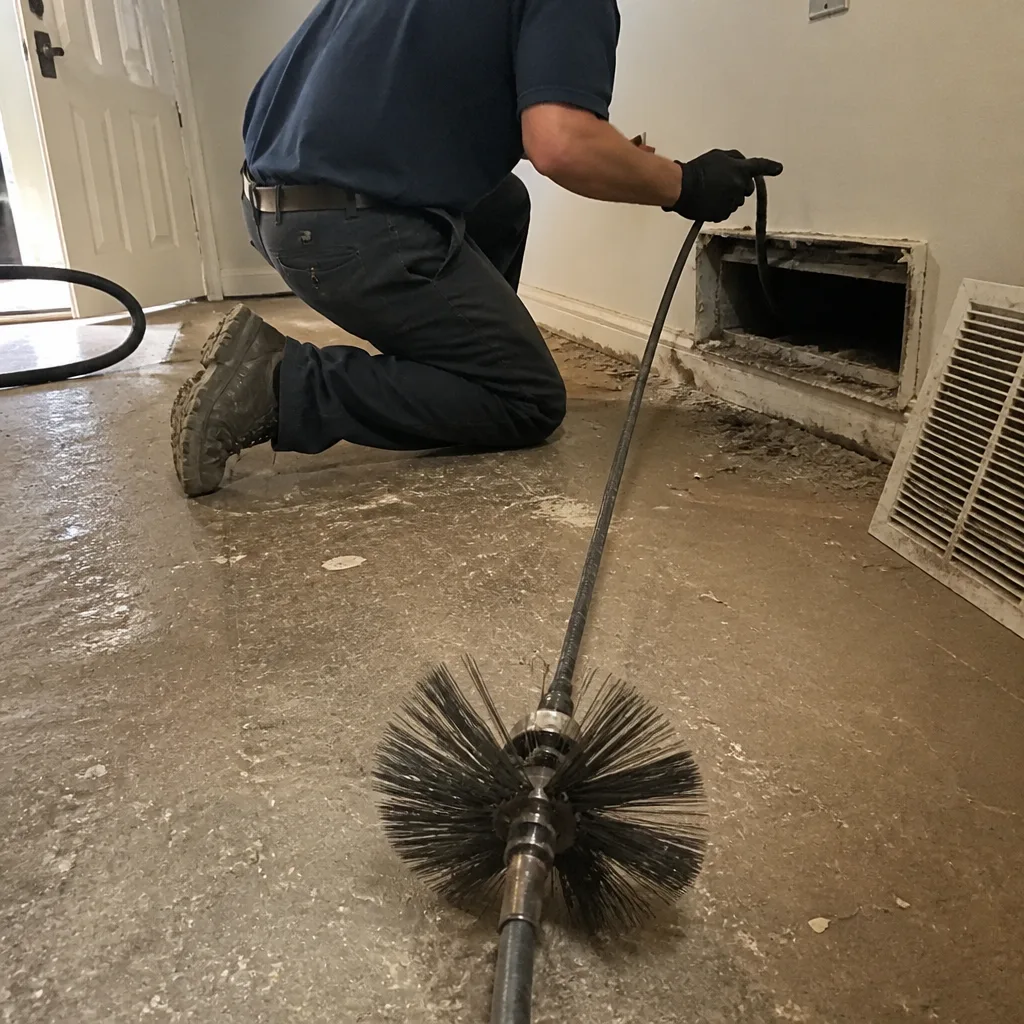 Before
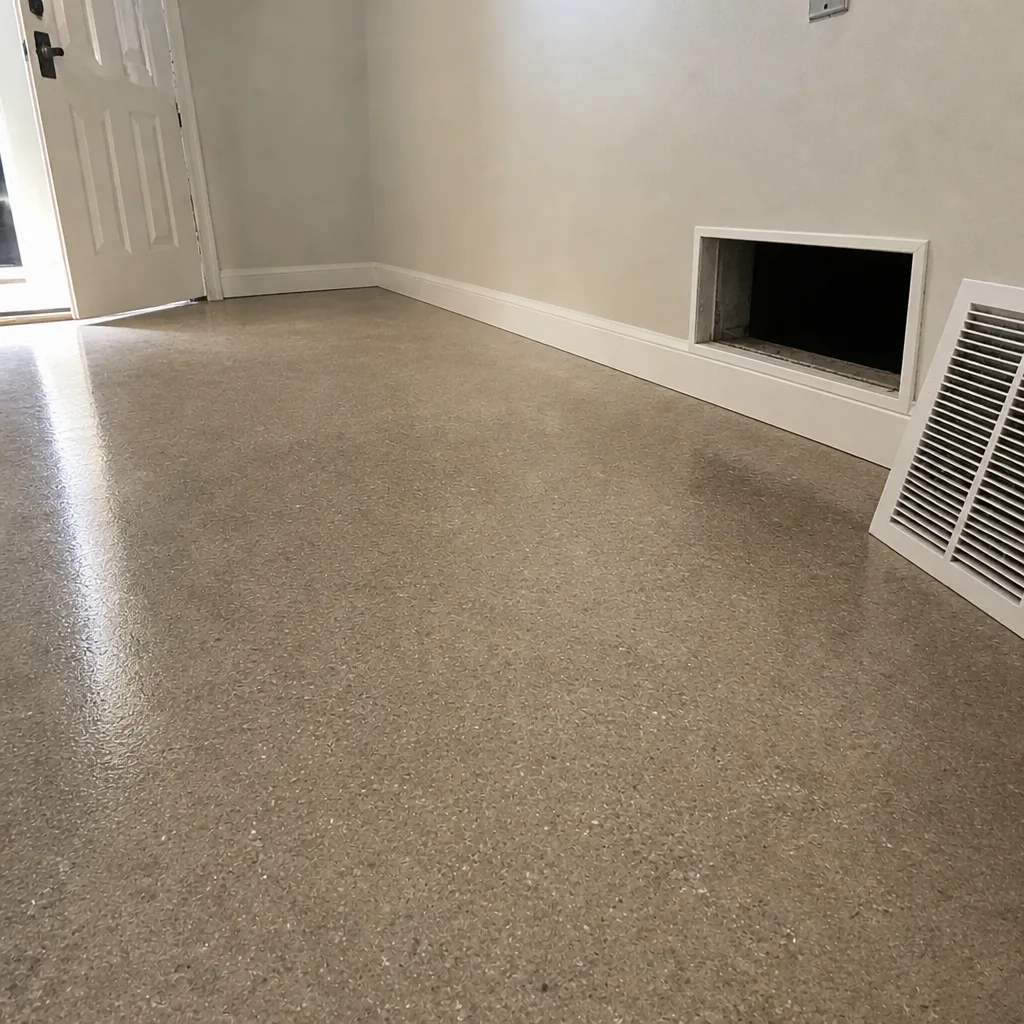 After
When to Call a Professional
Call a professional when you see signs that the system itself, not just its contents, is in trouble. Uneven heating or cooling between rooms, dust in a room that used to be clean, a whistling register, a visible disconnected duct, a dryer that takes longer than it used to, or a dryer vent made of the wrong material. Any of those is a reason to have the system looked at by a company that handles the whole air pathway, and to have the findings documented before any repair is decided. If the job crosses into mechanical work, a licensed HVAC contractor should be part of the conversation.
Bountiful Air Duct Cleaning offers free estimates in Bountiful. Call (866) 947-9113. We answer 24/7. Fast dispatch from 7am to 7pm, Sunday through Friday. The written estimate sets the price, per job, and the scope separates cleaning from repair so you know exactly what you’re agreeing to.
Frequently Asked Questions
No. Routine air duct cleaning in Bountiful does not require a permit, because cleaning doesn’t alter the system. A permit can become necessary when the work includes mechanical repair or alteration, such as replacing a duct run or reconfiguring a dryer vent. Call (866) 947-9113 for a free estimate and we’ll help you sort out which category your job is in.
Cleaning removes contaminants from the inside of the system without changing it; repair or alteration changes the physical system and can fall under Utah’s residential mechanical code. Reconnecting a separated duct, replacing a section of ductwork, or changing a dryer vent are repair activities. When in doubt, ask your local building department to describe the scope of work, and confirm whether a licensed HVAC contractor is required.
No, Utah doesn’t license or require NADCA certification for duct cleaning, but the NADCA ACR standard is the professional benchmark companies are measured against. It covers source removal, equipment performance, and post-cleaning documentation. Asking a company whether it works to that standard tells you a lot about how thorough the job will be. Call (866) 947-9113 for a free estimate.
The technician should stop, document the condition with photos, and explain the repair separately from the cleaning. The repair may qualify as mechanical work, in which case a licensed HVAC contractor should handle it and a permit may be required. The cleaning itself can usually continue, and the decision about the repair is yours, not the technician’s. Call (866) 947-9113 for a free estimate.
Yes. A written report with before-and-after photos of your own system, the date, the address, and a record of any repairs or sanitizing gives you a documented history. That’s useful when a home inspector, buyer, or insurer asks about the condition of the ductwork. It also resolves contractor disputes, because the record speaks for itself.
Only if it’s licensed and permitted for the mechanical portion of the work, or if a licensed contractor handles that step. Dryer vent replacement often counts as mechanical work, and the wrong materials are a fire risk. If a company offers the repair but can’t tell you who’s licensed for it, ask before you book. Call (866) 947-9113 for a free estimate.
The Bottom Line
Cleaning your ducts in Bountiful doesn’t need a permit. Repairing or altering them might, and that’s the line most homeowners never see until it matters. Ask for the scope in writing, separate the cleaning from the repair, and confirm whether the licensed HVAC contractor is involved when the work crosses into mechanical territory. NADCA’s ACR standard is the benchmark where state licensing doesn’t apply, and a written report with before-and-after photos is the documentation that protects you in an insurance claim, a real estate transaction, or a dispute. Nothing here is complicated once the line is clear. Call (866) 947-9113 for a free estimate and we’ll walk through it with you.
Written by the team at Bountiful Air Duct Cleaning.