
Last updated November 24, 2026
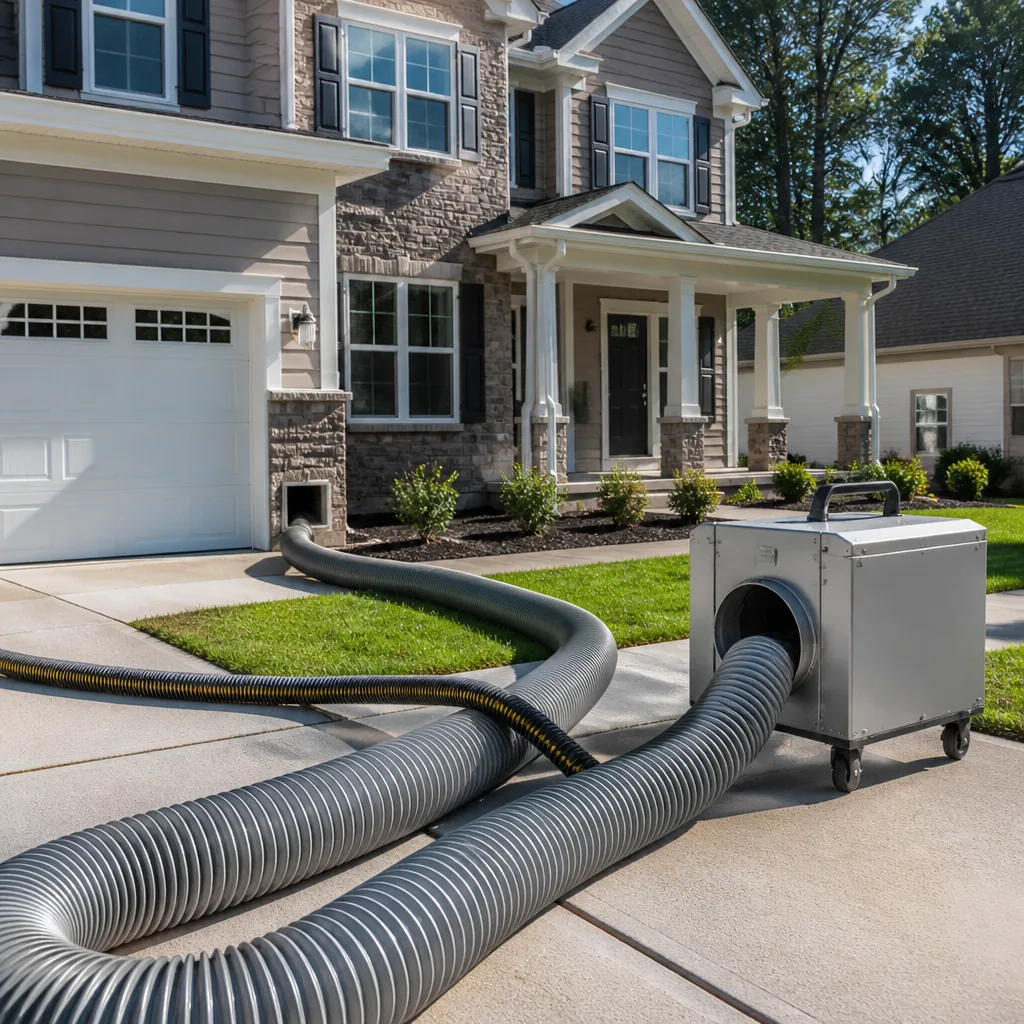 Whole-home duct cleaning
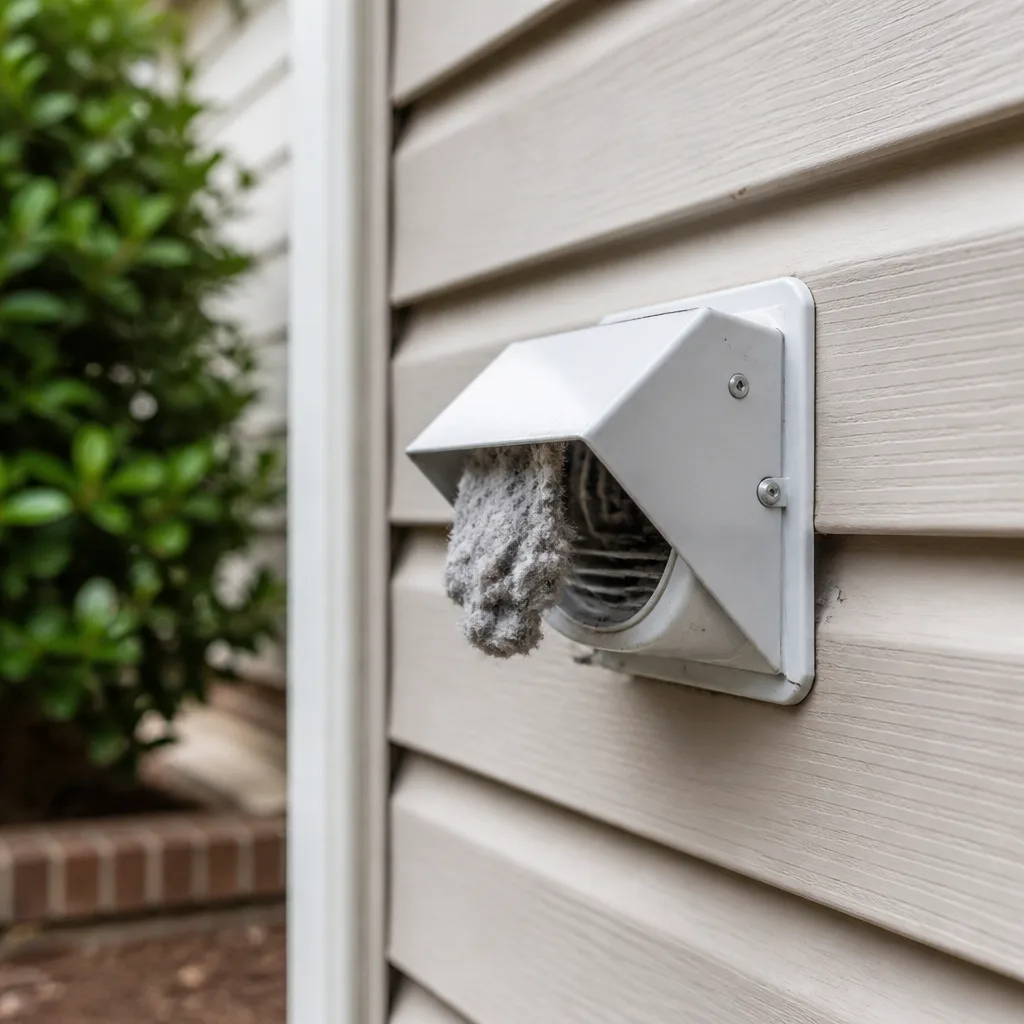 Dryer vent cleaning
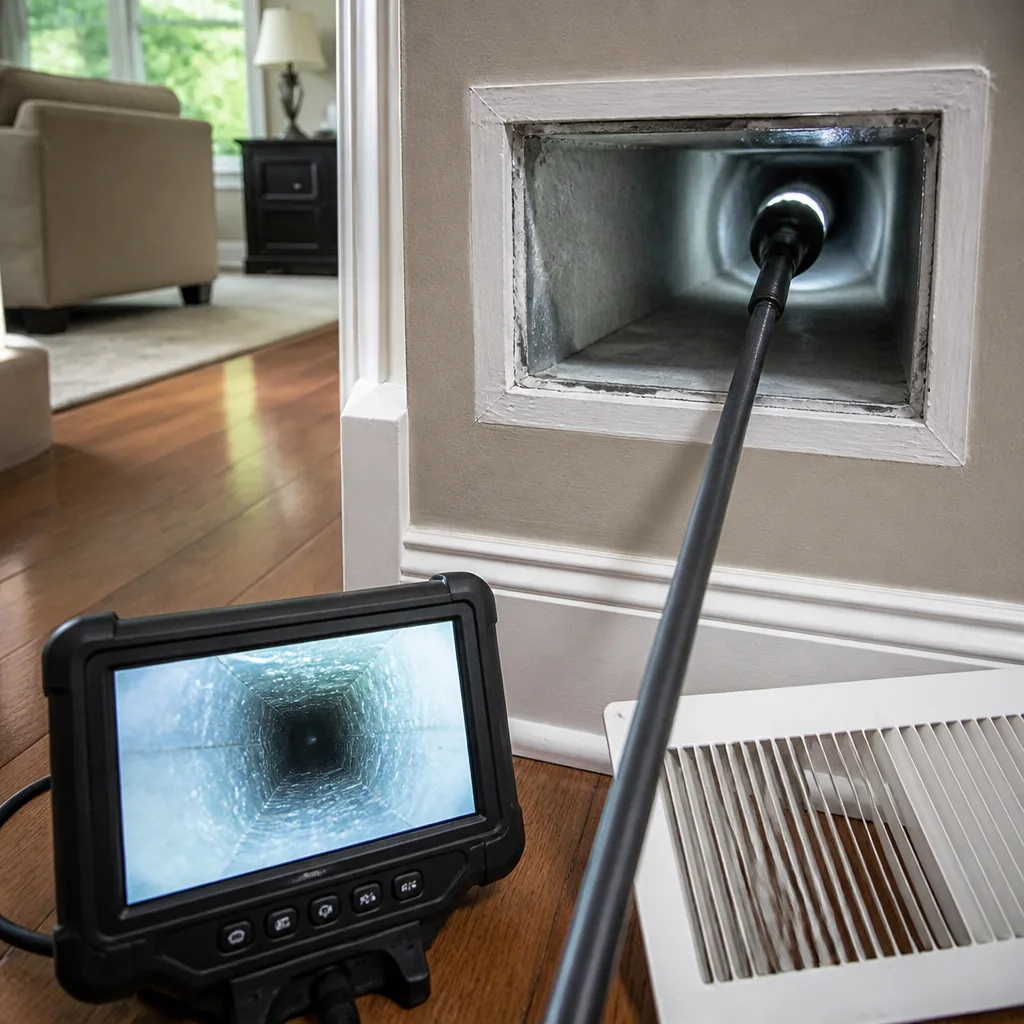 Camera inspection
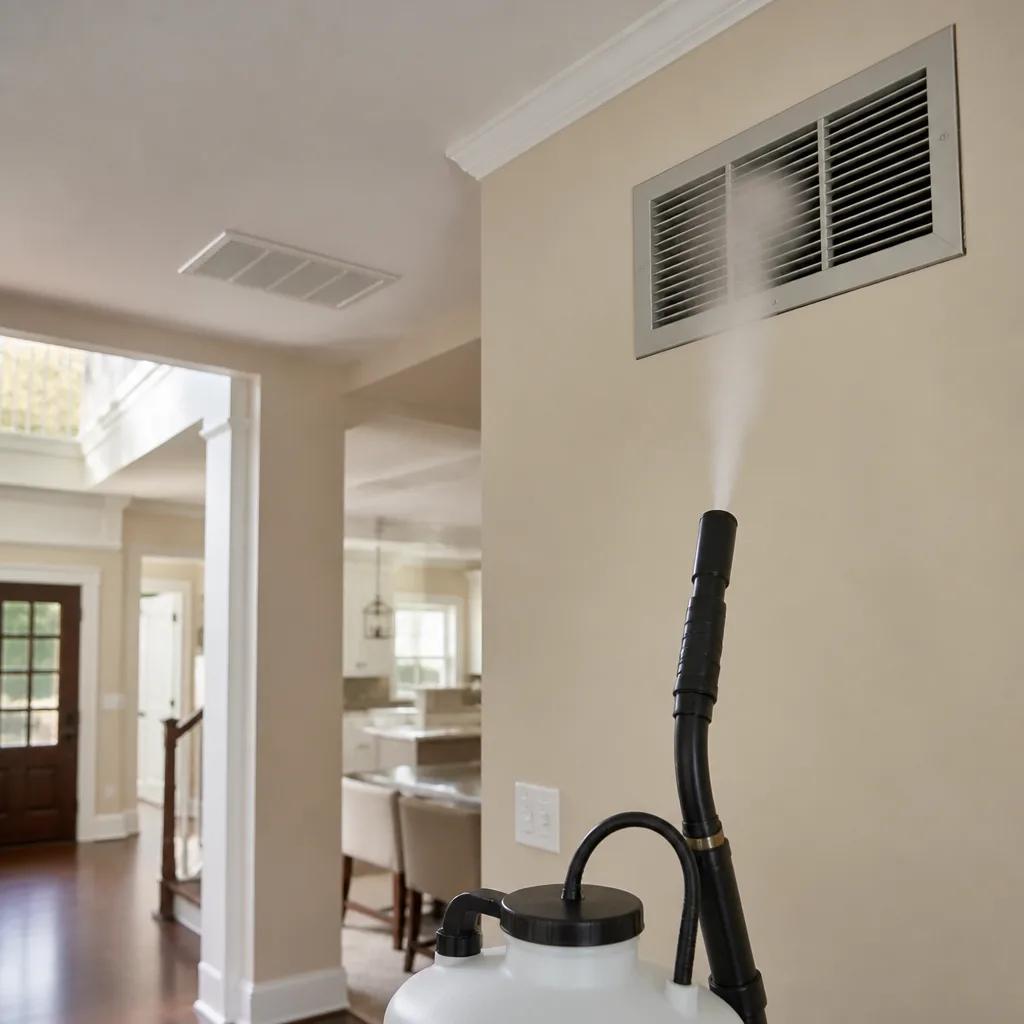 Sanitizing & deodorizing
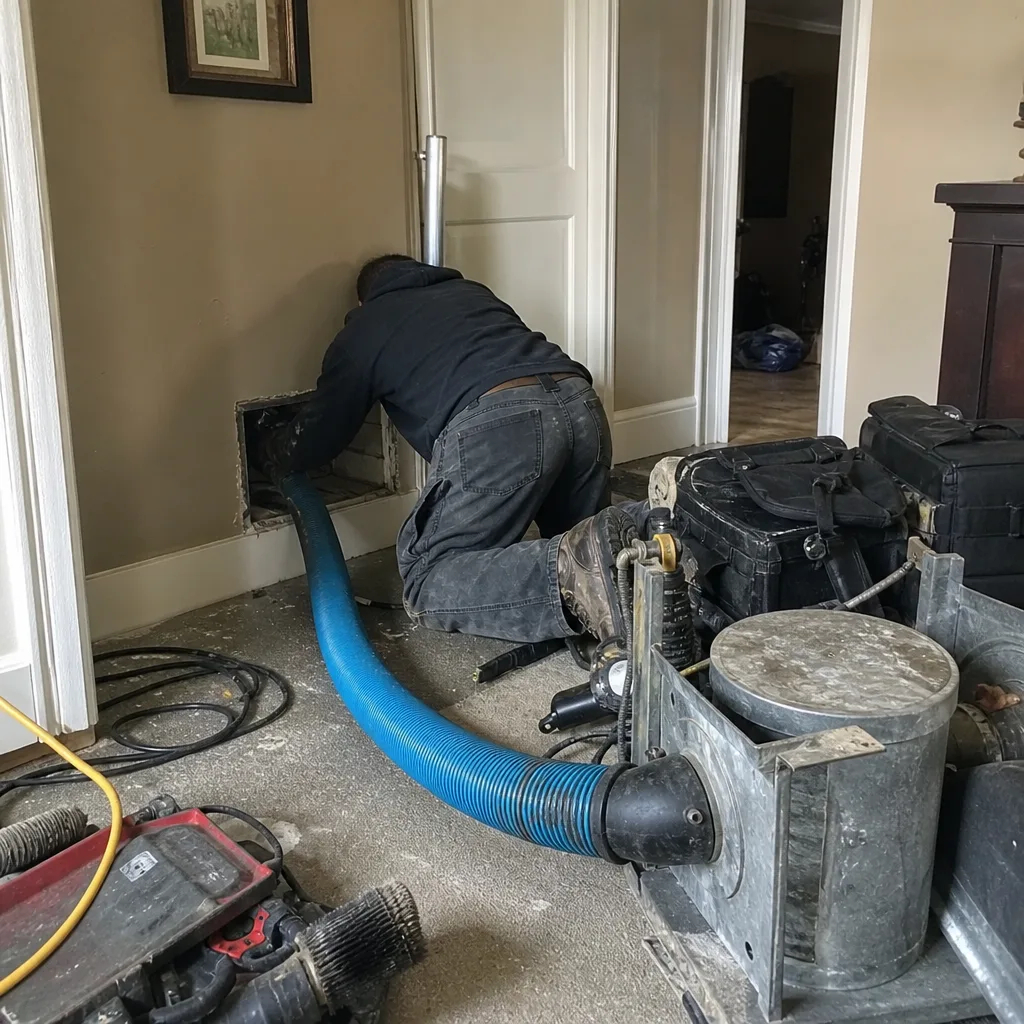
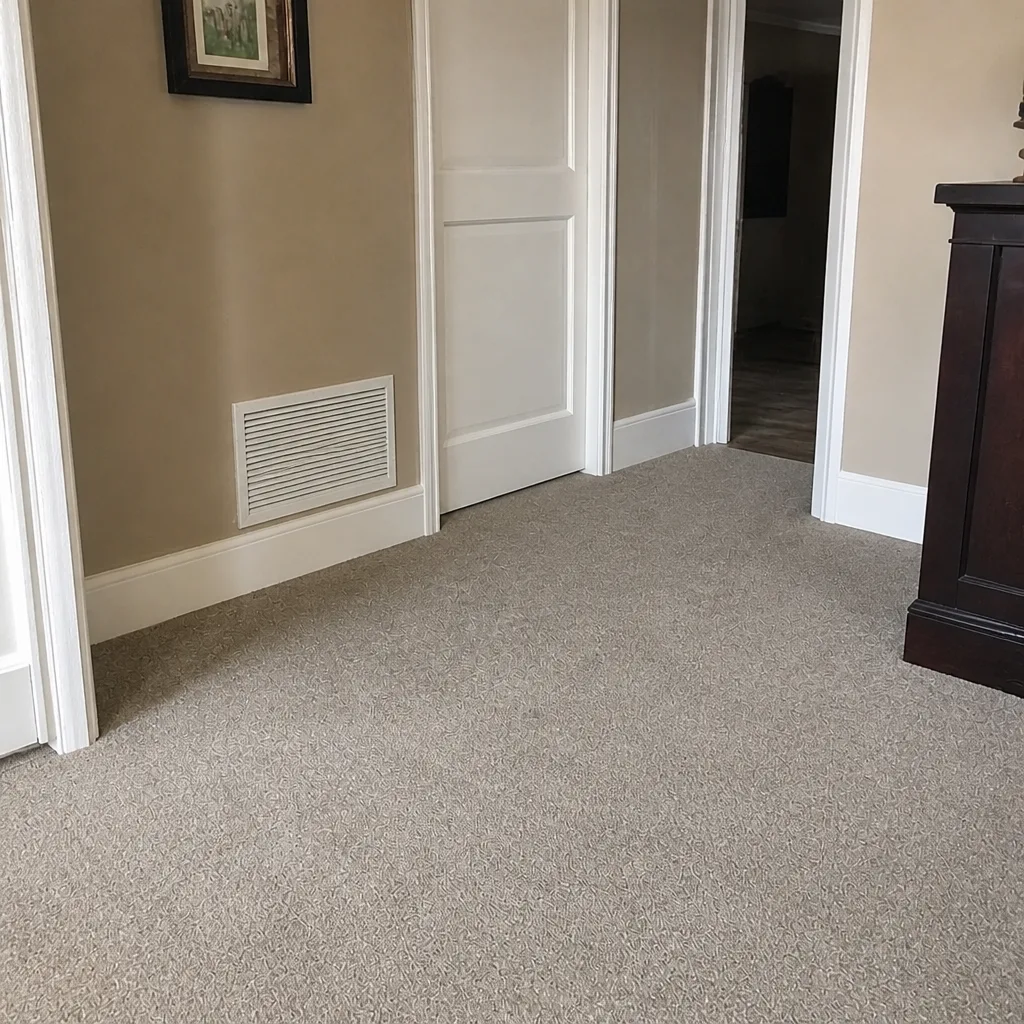
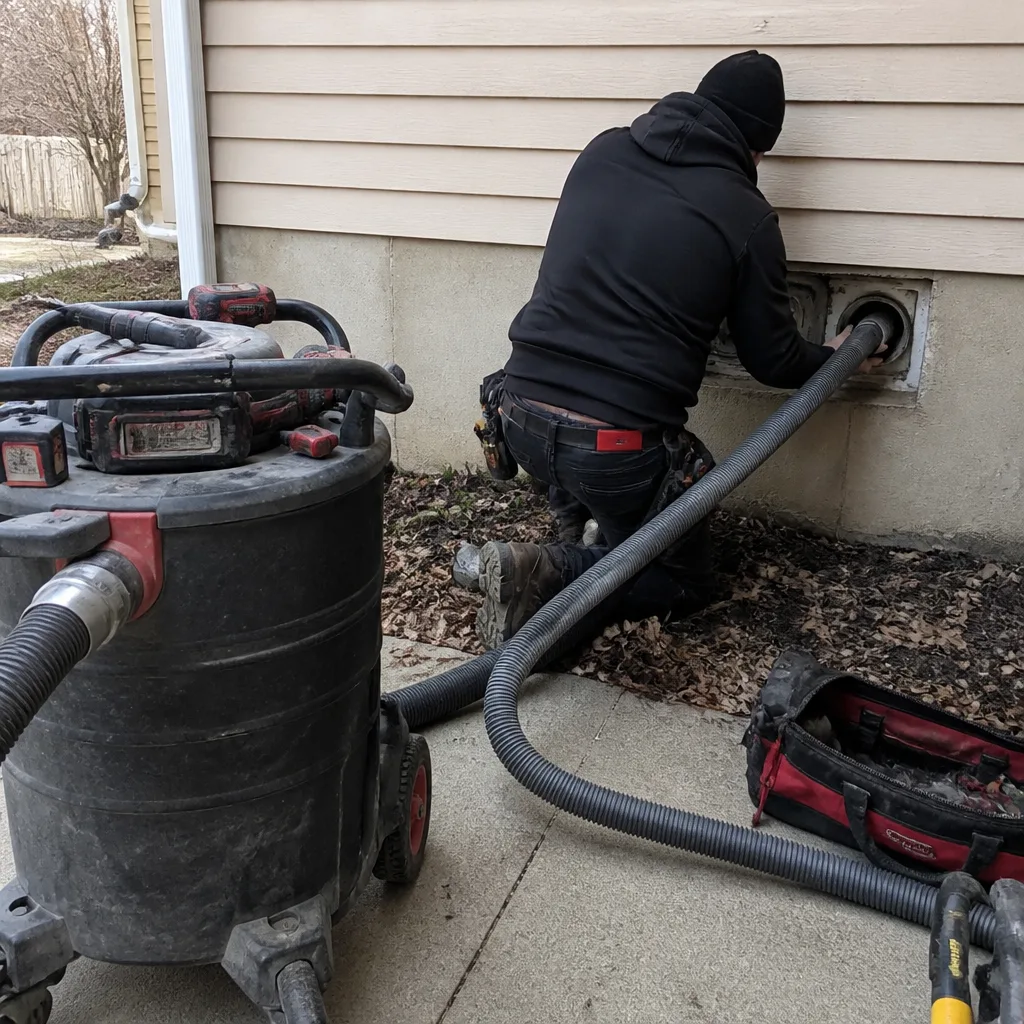
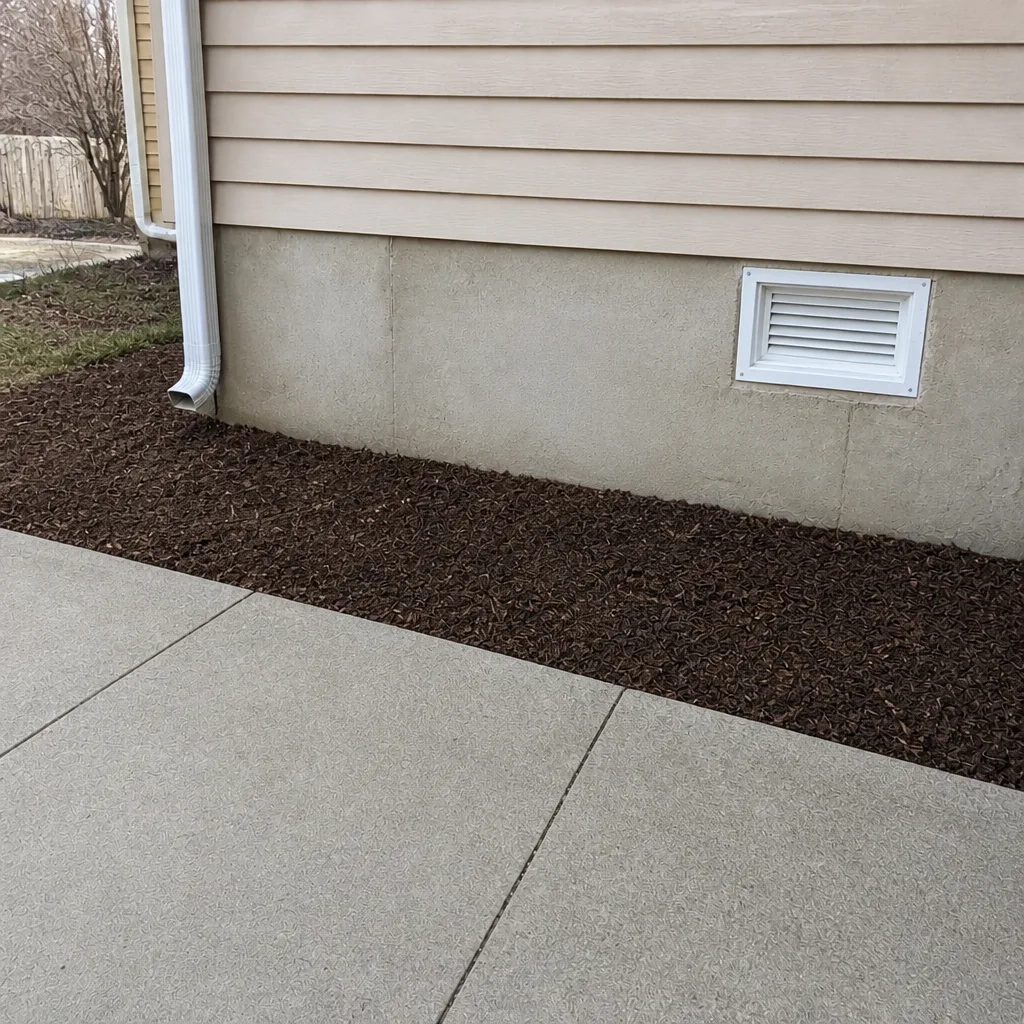
Whole-system duct and dryer vent check with before-and-after photos - you see exactly what came out of your vents
That "$99 whole-house special" is a bait ad - the real number appears once they are in your hallway, or the "clean" is a shop-vac at the register. We photograph the inside of your ducts before and after instead.
DIY vs Professional Air Duct Cleaning: The Bountiful Homeowner’s Decision Guide
Most homeowners who clean their own ducts assume they’re getting a smaller version of the professional result. They aren’t. A consumer duct kit’s shop vac pulls roughly 50 cubic feet per minute of suction. The negative pressure machines professional duct cleaners run pull somewhere between 4,000 and 16,000 CFM. That gap isn’t a matter of degree. It’s a different physical mechanism, and it decides whether debris leaves your system or just moves around inside it. This guide explains what each approach actually does inside a Bountiful home, where DIY falls apart, what you can legitimately handle yourself, and how to work out which side of the line your house sits on.
Styles & brands we work with
- Whole-home duct cleaning
- Dryer vent cleaning
- Camera inspection
- Sanitizing & deodorizing
Quick Answer
Professional air duct cleaning is the right call when your system has never been cleaned, has visible debris or moisture, or serves a home with pets, allergies or recent renovation. DIY cleaning with a shop vac and brush kit is limited to surface-level register and boot work and can push settled debris deeper into the system. If you’re unsure which category you’re in, the decision matrix below settles it in about two minutes.
Table of Contents
- The Physics: Why Suction Volume Changes Everything
- Negative Pressure and Containment: What DIY Can’t Replicate
- What a Homeowner Can Legitimately Do Between Cleanings
- When DIY Is Categorically Insufficient
- The Hidden Cost of a Failed DIY Attempt
- The Decision Matrix: Four Factors That Settle It
- What Professional Cleaning Looks Like in a Bountiful Home
- Common Mistakes to Avoid
- When to Call a Professional
- Frequently Asked Questions
- The Bottom Line
The Physics: Why Suction Volume Changes Everything
The number that matters in duct cleaning isn’t brush stiffness or hose length. It’s airflow, measured in cubic feet per minute. A vacuum has to move enough air through the ductwork to lift settled particulate and carry it out of the system. Below a certain threshold, particulate doesn’t lift. It just gets disturbed.
Picture the difference in practical terms:
- A shop vac or consumer kit (roughly 50 CFM): strong at the nozzle, almost nothing twenty feet down a six-inch trunk line. Air velocity falls off fast with distance and duct diameter.
- A truck-mounted or portable negative pressure machine (4,000 to 16,000 CFM): pulls the entire duct system into a controlled vacuum. Every branch, every run, every boot is under suction at once, so loosened debris has one direction to travel: out.
That difference explains a pattern we hear about often in Bountiful. A homeowner rents or buys a kit, runs a brush down the visible runs, feels satisfied, and then notices dust settling on furniture a week later. The brush loosened material. The vacuum couldn’t carry it away. So it drifted back into the air stream and found the nearest return.
Professional equipment like the Rotobrush rotary brush system pairs mechanical agitation with high-volume extraction. The brush contacts, the airflow evacuates. Both have to happen at the same time to be worth doing at all. That’s the standard our technicians work to, and it’s why we don’t describe consumer kits as a lighter version of our work. They’re a different task.
Negative Pressure and Containment: What DIY Can’t Replicate
Suction volume is only half the equation. The other half is where the loosened debris goes. A professional setup puts the whole system under negative pressure before a brush touches anything. Air flows into the ducts, not out of them. A DIY attempt does the opposite: it opens registers, creates local turbulence, and leaves the rest of the system at neutral pressure, ready to receive whatever gets pushed down the line.
Here’s the sequence a proper cleaning follows:
- Inspect and map the system. Identify trunk lines, branch runs, returns, the air handler location and any flex duct or transitions that need gentler handling.
- Connect a negative pressure source to the main trunk or plenum so the entire duct system sits under vacuum before cleaning starts.
- Agitate each branch with a rotary brush or air whip, working from the register back toward the trunk so debris travels toward the vacuum, never toward another room.
- Clean the air handler components separately, because the blower wheel and evaporator coil collect material that never reaches the ducts.
- Sanitize the air stream with products formulated for HVAC surfaces, then verify airflow and re-check the filter.
Step 2 is the one that can’t be reproduced at home, and it’s the one that prevents contamination from being pushed into adjacent sections or forced through filter gaps into the air handler. Without containment, cleaning one part of a system means dirtying another. With it, every run is downstream of the vacuum.
This is also why we bring Abatement Technologies and Guardsman products into the process. Sanitizing after a contained clean addresses what’s left on surfaces. Sanitizing without containment is mostly cosmetic, because the material that matters is still sitting somewhere you didn’t reach.
What a Homeowner Can Legitimately Do Between Cleanings
Plenty of the work that keeps a system healthy is genuinely DIY territory. The trick is knowing which work is actual maintenance and which is a substitute for cleaning. These fall clearly on the maintenance side:
- Register and return cover cleaning. Pop the covers off, wash them in a sink with mild soap, dry them, and put them back. This handles the visible dust layer and costs nothing.
- Filter replacement on a schedule. Check the filter monthly and replace it when it’s loaded. A restricted filter starves the system, raises static pressure, and lets dust bypass into the blower. Write the replacement date on the filter frame with a marker so you’re not guessing.
- Dryer vent lint screen maintenance. Clear the lint screen before every load. Once a season, disconnect the vent at the back of the dryer and check the duct run for lint buildup you can see. This is a fire-safety point as much as an airflow one.
- Return air path checks. Make sure furniture, rugs, or storage isn’t blocking return grilles. A blocked return pulls air from gaps in the ductwork instead, which drags in attic or crawlspace air.
- Visual glances at exposed ducts. If you can see duct runs in a basement or mechanical room, look for disconnected joints, sagging flex, or visible dust trails at seams. Note them and pass the list along when you book cleaning.
What none of this does is lift settled debris from inside the duct runs or clean the blower and coil. Those are the parts that need the pressure and containment covered above. If your goal is genuinely better air, the maintenance list keeps a clean system clean. It can’t make a dirty one clean.
Filter upgrades are worth a mention here because they’re a maintenance decision, not a cleaning one. A better filter (Honeywell and Aprilaire make the ones we see most often) catches more particulate, but it also loads faster and raises static pressure. Match the filter’s MERV rating to what your blower can handle. A premium filter in an undersized return can do more harm than a modest one changed on time.
When DIY Is Categorically Insufficient
Some situations don’t reward a partial attempt at all. In these four, a DIY pass doesn’t reduce the eventual professional job; it makes it bigger or riskier.
Post-construction debris
Drywall dust, sawdust, insulation fibers, and construction grit settle into every horizontal run and coat the blower wheel. It’s fine particulate that packs into seams and corners. A brush kit stirs it up and a shop vac can’t capture it, so it circulates through the living space for weeks. Professional extraction with containment captures it before it ever becomes airborne.
Any moisture or mold suspicion
If you’ve had a roof leak, a window left open during rain, or notice a musty smell when the system kicks on, stop and get it looked at by someone with the right equipment. Disturbing mold growth with a brush can release spores into the air stream rather than remove them. This one isn’t a “probably okay” situation.
Rodent intrusion
Mice and other rodents use duct runs as highways. Droppings, nesting material, and urine residue don’t come out with a shop vac, and they can carry pathogens you don’t want aerosolized inside a house. This is a professional containment and sanitizing job, full stop.
Systems not cleaned in over five years
Debris that’s been sitting for years has had time to compact, adhere, and in some cases absorb moisture. It’s bonded to duct surfaces in a way a consumer brush can loosen but not remove. The volume of material is also greater than a small vacuum can hold. Past five years, the economics of DIY fall apart.
If any of these apply, the useful question isn’t “can I do this myself?” It’s “who do I call, and what should I ask them?” The answer starts with air duct cleaning from a company that runs containment and sanitizing as part of the standard job.
The Hidden Cost of a Failed DIY Attempt
The failure mode that costs the most money isn’t a duct that stays dusty. It’s dislodged debris that travels the wrong way and lands in the air handler. The two places debris ends up are the ones that do the most expensive damage:
- The evaporator coil. A wet coil with a mat of debris on it loses heat-transfer efficiency, restricts airflow, and starts to grow biological material because it never fully dries. Coil cleaning is a separate, more involved service than duct cleaning.
- The blower wheel. Dust that collects on the wheel fins throws it out of balance. An unbalanced blower runs rough, wears its bearings, and in worse cases has to be pulled and cleaned or replaced.
Both outcomes cost more to fix than a professional cleaning would have cost in the first place. And neither shows up as an obvious problem right away. You notice it as a system that doesn’t cool like it used to, a motor that hums differently, or a bill that creeps up month over month. That’s the real hidden cost: the job you were trying to avoid doing properly shows up as a repair that costs a multiple of the cleaning you skipped.
This is why we treat the air handler as part of the duct system, not a separate job. Professional HVAC cleaning puts the coil and blower under the same contained cleaning process so the material that reaches them gets removed, not left to sit. Containment protects the air handler. Consumer kits do the opposite: they can deliver debris straight to it.
The Decision Matrix: Four Factors That Settle It
Most homeowners don’t need to think through every scenario. Four factors decide the answer reliably. Read down the list; the more rows point to the professional column, the clearer the call.
| Factor | Points to DIY maintenance only | Points to professional cleaning |
|---|---|---|
| Home age | Under 10 years, original ductwork, no prior build-out | Over 20 years, or ducts retrofitted or extended during additions |
| Years since last professional cleaning | Under 3 years, no symptoms since | Over 5 years, or never cleaned |
| Pets, allergies, recent renovation | No pets, no allergy symptoms, no recent work | Multiple pets, household allergies or asthma, renovation in the last 2 years |
| HVAC performance | Airflow even, no odd smells, energy bills steady | Uneven airflow room to room, musty smell on start-up, rising energy bills, or visible debris at returns |
How to read your result:
- All four rows on the DIY side: Maintenance list only. Recheck the matrix in a year or two, or when you notice a change.
- One or two professional rows: Borderline. Get a professional estimate and let them look before you decide. A free inspection tells you whether the ducts need a full clean or just the registers.
- Three or four professional rows: Professional cleaning is the only sensible call. A DIY pass at this point risks pushing material into the air handler.
For a Bountiful reader, a couple of local factors matter too. Homes along the bench near the Bountiful foothills see more fine dust from dry, windy spring weather than valley-floor houses, which loads filters faster and deposits more particulate in return runs. Older neighborhoods closer to downtown Bountiful also have more duct retrofits where flex runs meet older metal trunk lines, and those transitions are the spots where debris collects first. Age of home and dust exposure make the matrix lean toward professional more often here than a homeowner might expect.
What Professional Cleaning Looks Like in a Bountiful Home
A professional cleaning is a system-wide job, not a register pass. In a typical Bountiful home, the work covers the ducts, the air handler, the returns, the boots, and the dryer vent if it’s been more than a year. That’s the whole pathway air actually travels, and cleaning three of four parts doesn’t do much good.
The equipment matters because it’s what makes containment real. We run the Rotobrush rotary brush system for mechanical cleaning inside the ducts and Nikro equipment for the air handler components. The brands aren’t a marketing flourish; they’re the ones restoration and HVAC contractors rely on for the same reason: they hold up to real jobs and they extract material rather than spreading it.
Sanitizing happens after the mechanical work, not before. Guardsman and Abatement Technologies products are made for HVAC surfaces and for the air stream, which means they’re formulated to leave the system safe for people to breathe from. If any duct seal is compromised, repair happens either during the same visit or is scheduled as part of a follow-up plan, because sealing a duct after cleaning prevents the next round of debris from finding a path into the air stream. That’s a capability most duct cleaning companies don’t offer. We do, because a duct with a gap in it isn’t clean, it’s just clean-looking.
If your goal extends beyond cleaning, filtration upgrades are the natural next step. Honeywell and Aprilaire filtration products integrate with most residential systems, and we can recommend a spec that matches your blower and duct layout rather than a filter that’s more than the system can handle. Cleaning gets the ducts to a baseline. Filtration keeps them there. Both are part of the same air-quality picture, and it’s the same picture Bountiful Air Duct Cleaning works on across the five services we offer: air duct cleaning, dryer vent cleaning, HVAC cleaning, duct repair and sealing, and air quality and sanitizing.
Common Mistakes to Avoid
- Cleaning with the HVAC running. The blower pulls loosened debris straight through the system and back into the rooms. Shut the system off before any cleaning, professional or DIY.
- Assuming a shop vac will reach the trunk line. Airflow falls off so quickly with distance that the far ends of a trunk run see almost no suction. The vacuum looks like it’s working at the nozzle and isn’t doing much fifteen feet away.
- Skipping the air handler. The blower wheel and coil are the two most heavily contaminated components in a typical system, and a duct-only job leaves both untouched. That’s why we include HVAC cleaning in the standard job.
- Ignoring disconnected or crushed flex runs. Flex duct that’s kinked, sagging or disconnected doesn’t deliver air where it’s supposed to. Cleaning without repair means you’ll be back at the same problem in a few months.
- Over-filtering. Dropping a MERV 13 filter into a system designed for a MERV 8 starves the blower and raises static pressure. Match the filter to the system, not to the label with the biggest number.
- Sanitizing before cleaning. Applying a sanitizing product to a duct that still has debris on its walls does very little. Sanitizing works after mechanical cleaning, not before.
- Assuming Bountiful’s dry, windy springs mean “no dust issue.” The foothills around Bountiful are dusty in spring and the wind pushes fine particulate into return grilles before it settles anywhere else. Check filters more often in April and May.
When to Call a Professional
Call a professional if any of the following describes your home:
- The system has never been cleaned, or it’s been more than five years.
- Anyone in the house has asthma, seasonal allergies that seem to track with the HVAC running, or unexplained respiratory irritation.
- You’ve had construction, remodeling or drywall work done in the last two years.
- You notice a musty smell when the system starts, or see visible dust trails at seams or returns.
- Airflow is uneven room to room and filters clog faster than they should.
- You have multiple pets, or you’ve seen signs of rodent activity anywhere near the ductwork.
- The dryer is taking longer to dry loads, or the vent has never been cleaned.
Bountiful Air Duct Cleaning offers free estimates in Bountiful. Call (866) 947-9113. We answer 24/7. Fast dispatch from 7am to 7pm, Sunday through Friday.
Frequently Asked Questions
Air duct cleaning in Bountiful is priced per system, not per vent, and the written estimate sets the final price. Whole-system ranges depend on the size of the house, the number of runs, whether the air handler needs cleaning, and whether any ducts need repair. We give one flat price for the system after we’ve looked at it, and that price covers the whole job. Contrast that with per-vent pricing, which can grow into a much larger invoice once the technician is on site. Call (866) 947-9113 for a free estimate.
You can clean registers and boots yourself, and that helps a little, but a shop vac can’t do the actual job. Consumer equipment generates around 50 CFM, which isn’t enough air volume to lift settled debris out of a trunk line. Worse, it disturbs material without containment, so debris can end up in another section of duct or in the air handler. If you’ve noticed real symptoms (musty smell, uneven airflow, allergy flare-ups), a professional inspection is the better use of your time.
Every three to five years for most homes, sooner if you have pets, allergies, recent construction or live near Bountiful’s foothills where spring dust loads filters faster. Houses with nobody in those categories can stretch toward five years. The interval isn’t a hard rule, it’s a check-in: filter changes and register cleaning on a regular basis keep the system stable in between.
Cheap quotes typically skip containment equipment, skip the air handler, or offer a per-vent teaser price that grows once work starts. A proper job uses negative pressure equipment, cleans the coil and blower, and sanitizes the air stream after cleaning. If a quote is far lower than the rest, ask what equipment they use and whether the price covers the air handler. If they can’t answer specifically, that’s your answer.
Before-and-after photos of your own ducts, not stock images. We take photos during the job and show you what changed, and you can compare them to what you see before we start. Ask any contractor you’re considering whether they photograph the work and whether they’ll show you inside the system while they’re cleaning. It’s a fair question and an experienced crew will welcome it.
Cleaning helps if debris in the system is contributing to the air quality issue, but it doesn’t address outdoor allergens or humidity. What cleaning does is remove accumulated particulate, mold, or pest residue from the system so the blower isn’t circulating it every time the system runs. For permanent filtration improvement, a Honeywell or Aprilaire upgrade matched to your blower can help. Call (866) 947-9113 and we can talk through what’s realistic for your house.
The Bottom Line
The choice between DIY and professional duct cleaning isn’t a matter of degree. The equipment and containment used by a professional are what allow debris to be removed rather than moved. If your home has been cleaned within the last few years and shows no symptoms, the maintenance list (registers, filters, dryer vent screen) is genuinely useful and you should do it. If it’s been five years or more, or you have pets, allergies, recent construction, moisture, or pest activity, a professional job is the only approach that won’t risk the air handler. Cleaning with the right tools costs less than cleaning up after the wrong ones.
Call (866) 947-9113 for a free estimate. We answer 24/7. Fast dispatch from 7am to 7pm, Sunday through Friday. Professional-grade equipment, one flat price per system, and photos of your own ducts before and after the work. We’ll show you exactly what we found and what we removed, so you can judge the difference for yourself.
Written by the team at Bountiful Air Duct Cleaning.
See the difference
 Before
 After
 Before
 After
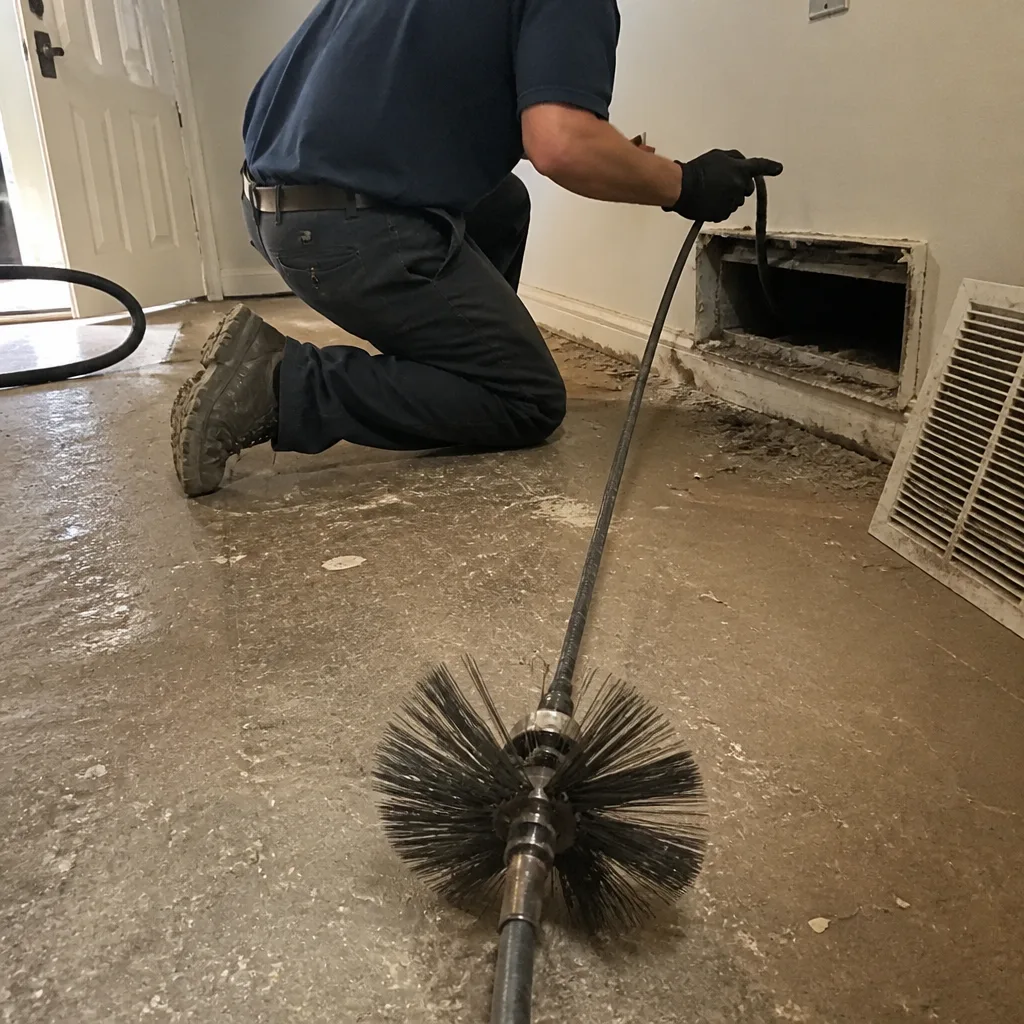 Before
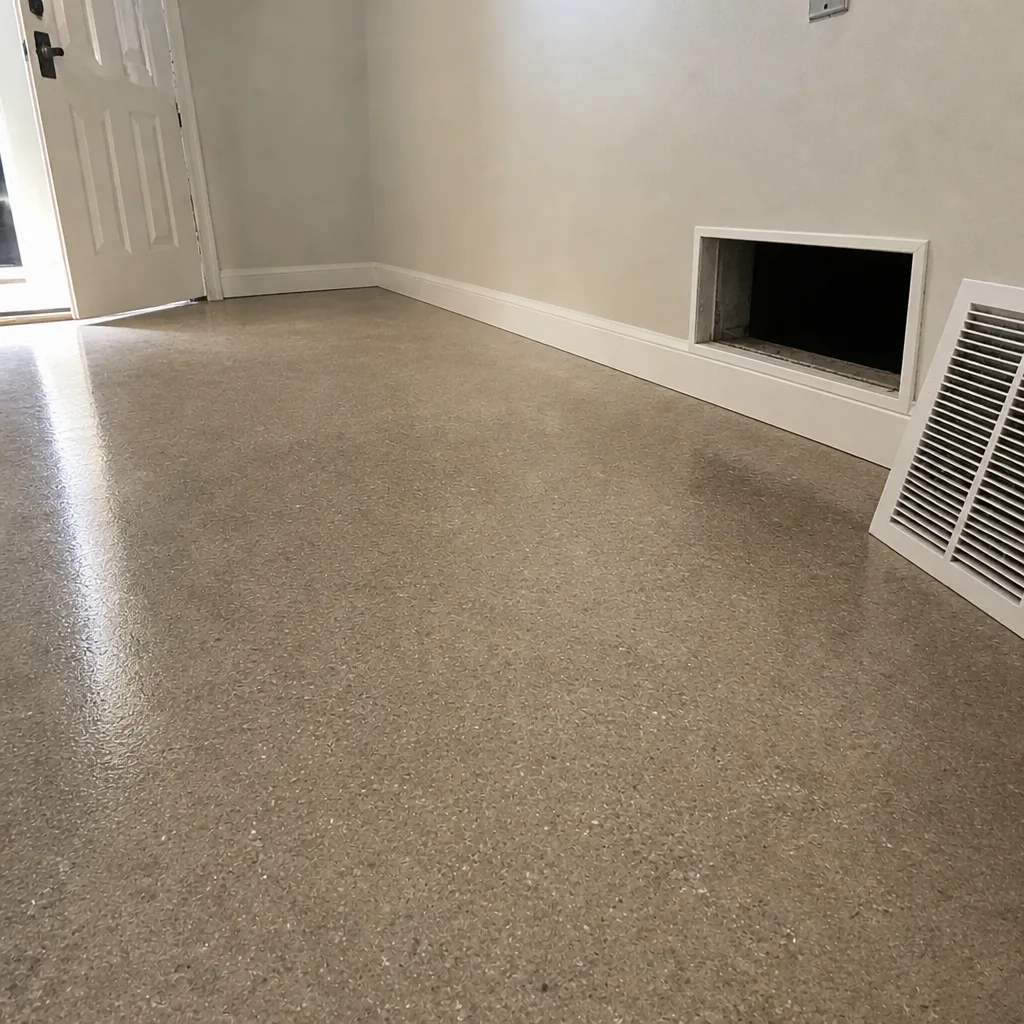 After