
Last updated November 24, 2026
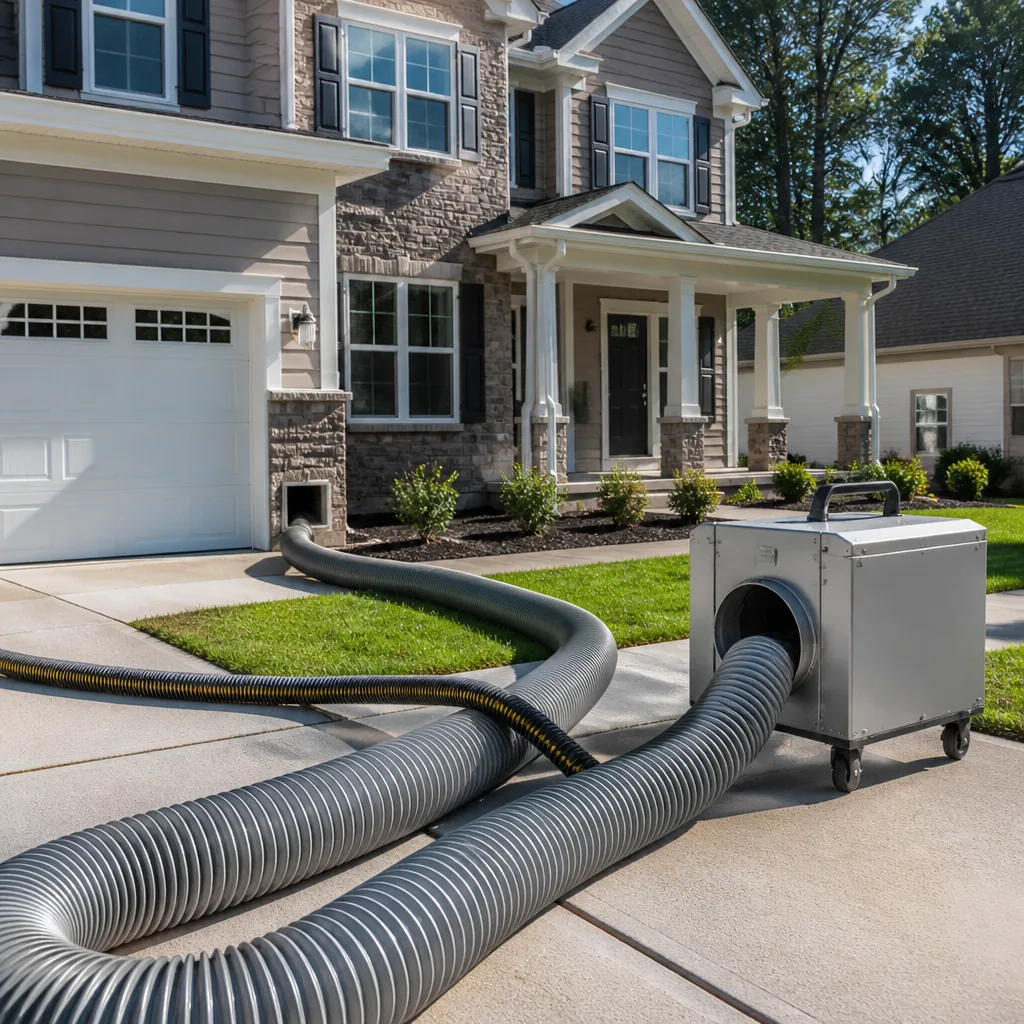 Whole-home duct cleaning
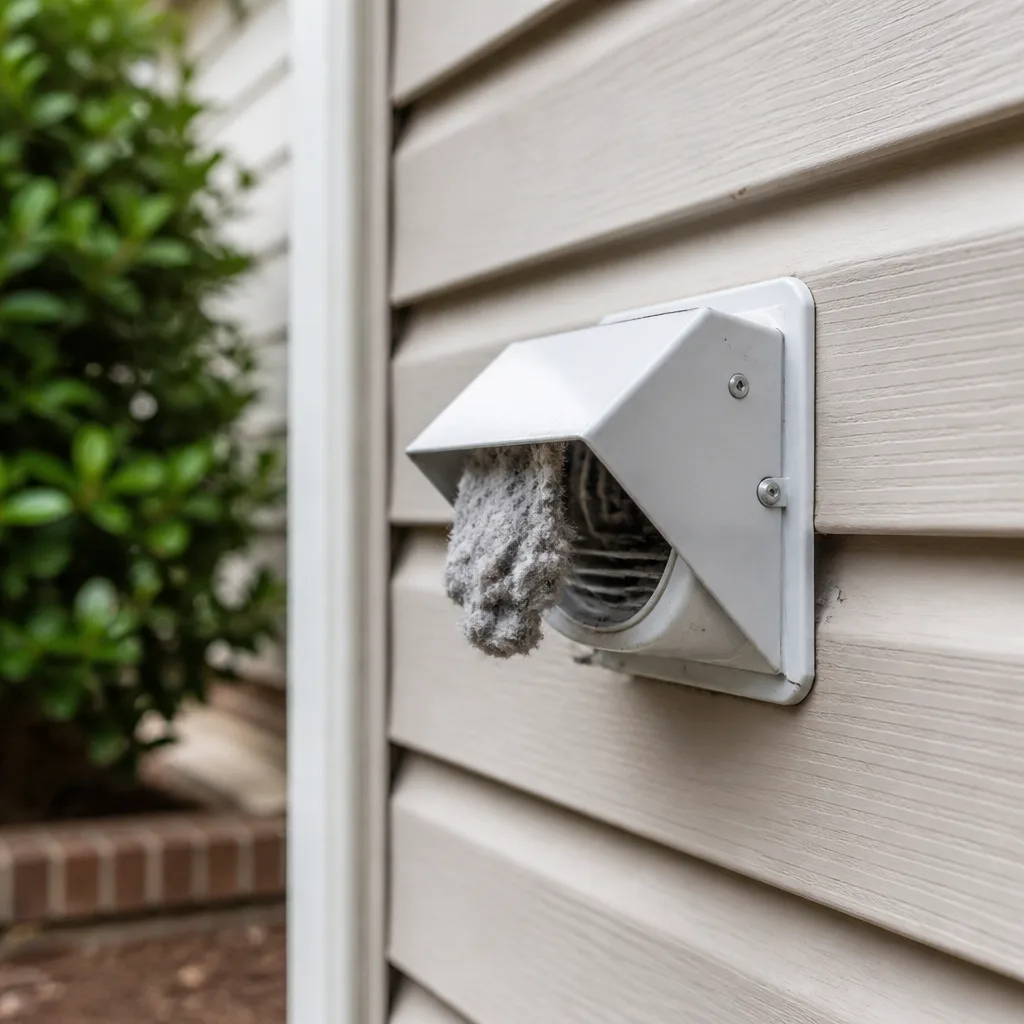 Dryer vent cleaning
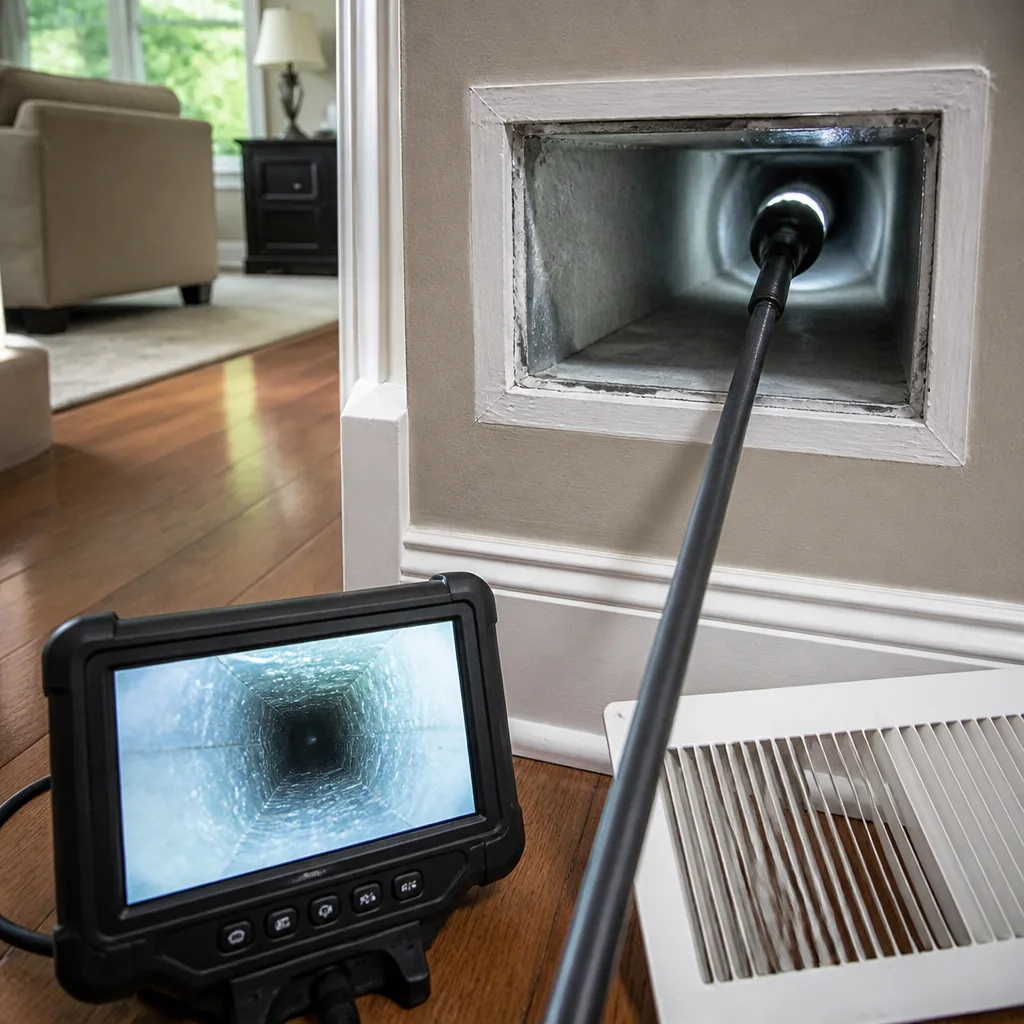 Camera inspection
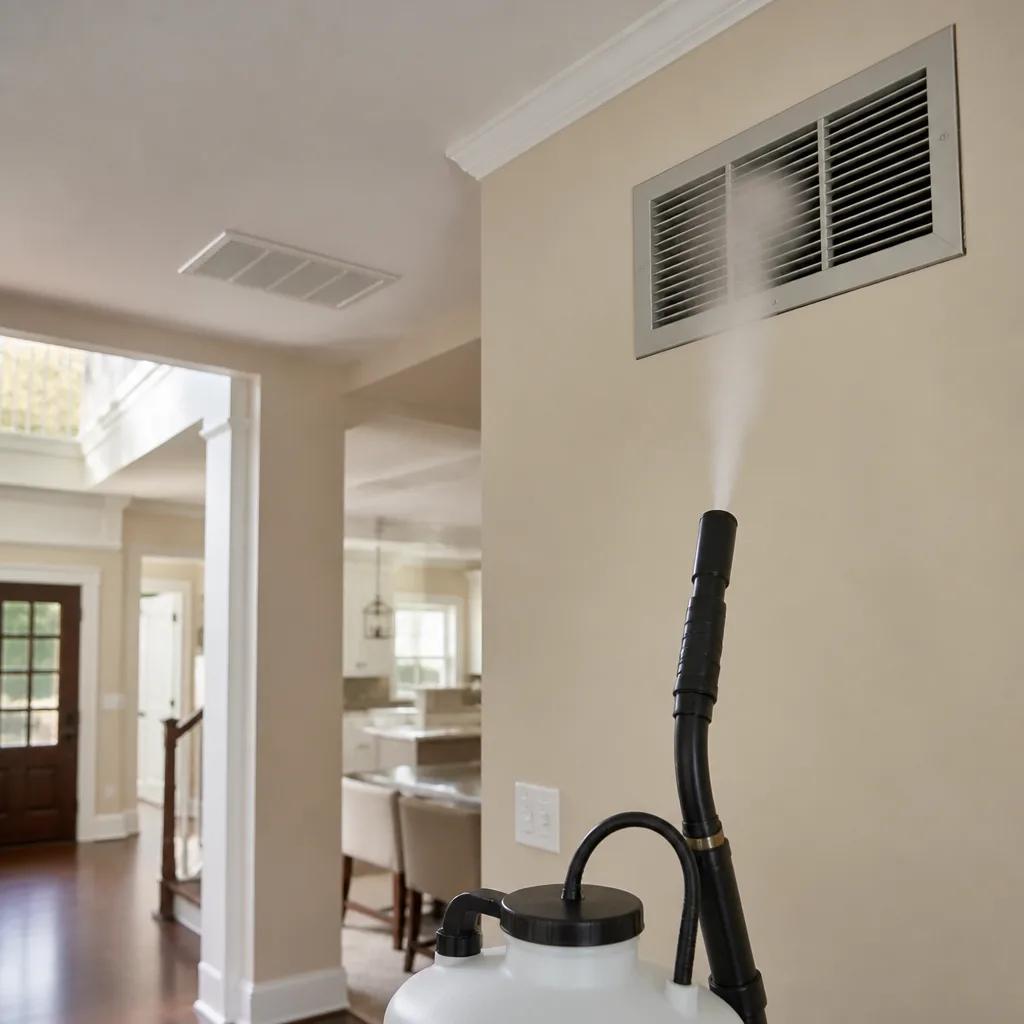 Sanitizing & deodorizing
Whole-system duct and dryer vent check with before-and-after photos - you see exactly what came out of your vents
That "$99 whole-house special" is a bait ad - the real number appears once they are in your hallway, or the "clean" is a shop-vac at the register. We photograph the inside of your ducts before and after instead.
Air Duct Cleaning Warning Signs: A Bountiful Homeowner’s Reference Guide
Dust that settles back onto your furniture within a day or two of cleaning isn’t a housekeeping failure. It’s a diagnostic signal. Your duct system is telling you where a specific failure point sits, and the location of the dust gives away the answer. That’s the thing most Bountiful homeowners never get taught. A dusty house feels like a cosmetic problem, so people vacuum harder and buy another filter. Meanwhile the actual cause keeps cycling airborne debris through the same ten rooms. This guide changes that. You’ll learn to read dust patterns, decode odors, spot airflow problems before they cost you a compressor, and know which warnings mean “schedule a cleaning” versus “stop and call today.”
Quick Answer
The main warning signs of a duct problem in Bountiful are dust resettling within 48 hours of cleaning, dark rings around supply registers, rooms that never heat or cool evenly, musty or burning smells when the system runs, and visible debris or pest evidence at the vents. Musty odors and rodent signs need immediate professional attention, since those point to active moisture or contamination rather than routine buildup. Everything else usually means a full-system cleaning, and often a duct repair, is worth scheduling soon.
Styles & brands we work with
- Whole-home duct cleaning
- Dryer vent cleaning
- Camera inspection
- Sanitizing & deodorizing
Table of Contents
- The Dust Pattern Diagnostic: What Your Surfaces Are Telling You
- The Odor Identification Guide: Musty, Burning, or Chemical
- Airflow Imbalance: When One Room Never Catches Up
- Visual Warning Signs at the Register
- When to Call Immediately vs. When to Schedule
- Why Bountiful’s Climate Makes Duct Problems Show Up Faster
- The Fix Behind the Symptom: Duct Repair and Sealing
- What a Professional System Check Actually Looks At
The Dust Pattern Diagnostic: What Your Surfaces Are Telling You
Dust location means more than dust quantity. If you can figure out where dust is landing and how it gets there, you’ve narrowed it down to one of two very different problems: debris that lives inside the ducts, or debris that lives inside the living space. Those need completely different responses, and one of them doesn’t involve duct cleaning at all.
Reading the pattern
- Dust concentrated directly below and around supply registers. This usually means the ducts themselves are shedding material or pushing particles out at the vent. The source is inside the system, and cleaning the whole air pathway is the answer.
- Dust spread evenly across distant surfaces: tabletops, shelves, the tops of picture frames. This is more often a filtration or infiltration issue. Debris is being stirred up indoors or slipping in from outside, not launched out of a register.
- Dust that resettles within 48 hours of a room being wiped down. This is the classic sign of high-debris loading or filter bypass – air is moving through the system faster than the filter can trap particles, so they keep re-entering the airstream and settling back out.
- Dust that has a fine, gray, almost sooty look versus fluffy gray-brown fuzz. Fluffy fuzz tends to point to textile and lint load in the returns. Fine charcoal-colored dust can point to a filter that’s letting fine particles through, which is a filtration upgrade conversation.
What the pattern rules out
Here’s the useful part: if dust is heaviest in rooms that are furthest from the air handler and lightest in the rooms closest to it, that’s not a housekeeping problem and it’s not really a whole-house dust problem. It points to a partially disconnected or leaking run letting debris deposit downstream. When we clean and inspect Bountiful homes, that pattern is a reason to look at supply trunk seams and flex duct runs before assuming the cleaning alone solved it. A lot of duct cleaning companies stop at the vac-and-return. Stopping at the registers ignores the reason dust comes back. Our approach cleans the whole air pathway, then flags the spots where the pathway itself is leaking.
The Odor Identification Guide: Musty, Burning, or Chemical
Odors are the second richest diagnostic signal, and they’re the most often mislabelled. Not all smells mean the same thing, and one of them is actually normal for a few minutes. Here’s how to sort them, because getting the category right determines whether you schedule a cleaning or clear the house.
Musty or wet-earth smell
A musty odor that appears when the system runs points to moisture. Likely sources are a condensate pan that isn’t draining, water intrusion on a duct run, or high humidity in an unconditioned attic space feeding moisture into a flexible duct. Musty smell plus visible dark patchy growth near a vent is a mold suspicion, not a routine cleaning issue. Treat it as urgent: stop running the system until a professional can look, since every cycle spreads spores through the house. Our Bountiful team handles mold-adjacent situations with air duct cleaning plus a post-clean sanitizing step using Abatement Technologies equipment, because cleaning alone doesn’t address an active moisture source. Fix the moisture first, then clean.
Burning smell on first use of the season
A faint burning-dust smell the first time you run the heat of the year is usually dust burning off the heat exchanger and elements. That’s common and fades within a short run. A burning smell that persists, or that shows up mid-season, is not normal – shut the system down and have it evaluated. That points to a mechanical problem, not a cleaning one. Our scope is strictly indoor air quality and duct systems, so if the smell is electrical or mechanical, our job is to flag it and point you to the right HVAC technician. We don’t perform general HVAC repair and won’t pretend to.
Chemical or new-plastic smell
A sharp chemical odor, or a smell like hot plastic, can come from insulation off-gassing inside ductwork, especially around new construction or recently replaced flex runs. It can also come from a system that’s overheating a component. If the smell appeared after a renovation or a duct replacement, an inspection of the affected run is the next step. If it appeared on its own with no recent work, treat it as a potential electrical or motor issue and have it checked before using the system.
Airflow Imbalance: When One Room Never Catches Up
A room that’s consistently harder to heat in winter or cool in summer isn’t a thermostat fable. It’s one of the clearest physical warnings a duct system gives, and it usually appears long before a homeowner considers ducts as the cause. The temperature gap is consistent – same room, same direction, every season – which is what separates a duct problem from a seasonal comfort complaint.
The likely culprits, in order
- A partially blocked run. Debris, a collapsed interior liner, or an object left inside a duct during construction narrows the passage. Less air arrives, so the room lags.
- A disconnected or poorly connected flex duct. In many homes the flexible duct in an attic or crawlspace can slip free from a boot or a trunk fitting. Air ends up heating or cooling the attic instead of the bedroom.
- A collapsed flex duct section. Flexible duct that’s kinked tightly around a corner or crushed under insulation loses most of its cross-section. This is common in attic runs that were installed with a short return radius.
- Too much leakage at the trunk. Seams and joints along the main trunk can bleed a large share of conditioned air before it reaches the far rooms. That shows up as pressure imbalance between the near and far ends of the house.
- Damper position. Sometimes it’s a balancing damper that’s partly closed from a previous adjustment and never reopened.
What makes this worth acting on: restricted airflow raises static pressure on the blower. Over time that works the motor harder and shortens equipment life. So the temperature imbalance isn’t just a comfort complaint; it’s an efficiency and equipment-wear warning. Duct repair and sealing is the one step most cleaning companies skip, because most of them don’t carry that capability. We do, which means we can find the leak and seal it in the same visit instead of handing you off to a second contractor.
Visual Warning Signs at the Register
Registers are where the system shows its hand. A quick walkthrough with a flashlight, done a couple of times a year, catches most developing problems early. Here’s what to look for at each supply and return vent.
- Black or dark gray rings around supply vents. Those rings are high-velocity particle deposition. Air is blowing out faster than the filter is catching debris, and particles are striking the surface around the grille. This points to filter bypass – unfiltered air sneaking around the filter’s edges – or high-debris loading in the main trunk. Both are cleaning-and-sealing jobs, and both make the dust ring worse the longer you wait.
- Streaking or “ghosting” on walls above the vent. Fast-moving air carries fine particles that stick to walls in a pattern. It usually signals a register with too much static pressure behind it.
- Visible lint or fuzz on the return grille. That’s fabric fiber loading – normal in small amounts, but a thick blanket means the return is pulling a lot of material the filter isn’t catching.
- Rust stains or water lines around a vent. Moisture is present. This is your cue to inspect for a condensation issue or a wet duct run.
- Debris or droppings on the grille or inside the boot. Rodent intrusion signs. Stop here and read the next section on urgency, because this changes the protocol.
- A register that’s noticeably cooler or warmer than its neighbors. Airflow imbalance showing at the vent face. Cross-check with the room-temperature test above.
If you’re reading this and recognizing three or more of those, a documented professional inspection is worth scheduling now rather than at the end of the season. Our technicians use a Rotobrush rotary brush system so the mechanical cleaning is thorough from the trunk through the branch runs – not just a quick pass at each register.
When to Call Immediately vs. When to Schedule
Not every warning sign is a hurry. Sorting them wrong causes either wasted urgency or, worse, a prolonged problem that spreads contamination through the house. Here’s how we sort them when a Bountiful homeowner calls.
Call immediately and stop running the system
- Musty odor plus visible dark growth near a vent or in the air handler. Treat it as active mold until proven otherwise: keep the system off until evaluated.
- Droppings, nesting material, or distinct scratching noises from the ducts. Rodent intrusion requires a remediation protocol, not a standard cleaning pass. The contamination has to be addressed and the entry point sealed, or the problem returns.
- A smell of burnt wiring or hot plastic that doesn’t clear in minutes. Shut the system down and get it evaluated.
- Visible water pooling in or around the air handler or a duct run. Moisture plus duct material plus time means growth.
- A loud bang, rattle, or scraping noise from inside a duct. Something has come loose or failed mechanically, and running the system can make it worse.
Schedule soon but not an emergency
- Dust resettling within 48 hours of cleaning.
- Dark rings around multiple registers.
- A room that’s consistently a few degrees off the rest of the house.
- A heavy lint load on return grilles.
- Musty smell without visible growth that clears after a cleaning cycle.
What separates an urgent situation from a scheduled one is simple: is there active contamination or mechanical failure the running system will spread? If yes, stop and call. If no, schedule with the next available opening. Call (866) 947-9113. We answer 24/7. Fast dispatch from 7am to 7pm, Sunday through Friday. If a call arrives outside dispatch hours, it’s booked into the next opening.
Why Bountiful’s Climate Makes Duct Problems Show Up Faster
Bountiful’s weather is a big reason these warning signs appear here within a single heating season. That’s a Utahn’s advantage and a Utahn’s risk, and it’s worth understanding how the local climate shapes duct maintenance.
Heating season does a lot of the work
This is a cold, dry desert-edge climate where the furnace runs hard and long through the cold months. That means the system moves a large volume of air repeatedly. Debris gets pushed around more cycles than a homeowner in a mild climate would see. It also means the first-use burning smell is seasonal and predictable, which is why we sort it out from a mechanical issue rather than treating every smell the same. And the dry air works against you in one specific way: dust particles stay airborne longer, so a light dust load that wouldn’t be visible in a humid climate becomes a visible film on your furniture within hours.
Summer swings stress the whole pathway
Utah’s inland summers are hot and dry, and the air handler shifts from heating to cooling duty. That swing is where moisture problems get their start, especially if a condensate pan isn’t draining well. A musty smell that shows up right as the cooling season begins is the signal to look at that pan and the wet side of the system. Meanwhile the dry air keeps flexible duct in attics from rotting as fast as it would in a humid climate, but it does allow flexible runs to develop cracks and loose joints as the material cycles through temperature swings over years of service. That’s why a duct repair inspection belongs in the same visit as a cleaning, not a separate phone call six months later.
Where that leaves a Bountiful homeowner
The practical upshot: don’t wait for a symptom to get bad. A full-system check at the change of season, done by a company using professional-grade equipment, catches loading, leaks, and filter bypass before they turn into warmth problems in your living room. Our team works with Honeywell and Aprilaire products, so if the inspection shows a filtration upgrade makes sense for your system, that’s a service we can handle during the visit rather than sending you out shopping. Our technicians have up to 8 years of experience working on systems in this climate and understand the patterns it produces.
The Fix Behind the Symptom: Duct Repair and Sealing
Most of the warning signs in this guide trace back to one root cause: a leak, kink, or disconnect letting the system lose air before it reaches your rooms. Cleaning fixes what’s inside the ducts. Repair and sealing fixes the pathway itself. Without the seal, dust comes back and rooms stay uneven, because the leak that’s pulling in unfiltered air is the same leak that was making dust settle. That’s why we treat duct repair and sealing as part of the same conversation as the cleaning, not as an upsell you have to schedule later.
What gets inspected
- Trunk seams and joints along the main supply runs, looking for gaps and tape that’s let go.
- Flexible duct connections at boots and trunk fittings, checking for slips and separations.
- Return runs, since return leaks pull dust in from attics and crawlspaces.
- Compression points where a run is crushed or kinked around a corner.
- Boot-to-floor and boot-to-ceiling seals, where gaps let air escape into walls.
Sealing a disconnected run is a small job that prevents a large one. It’s also the reason our Bountiful Air Duct Cleaning service approach differs from a quick vacuum crew: we walk the system, flag the leaks, and can fix them in the same visit. If a run is beyond repair, that’s a conversation to have – but the diagnostic step comes first, and it’s worth doing before any cleaning dollars get spent.
What a Professional System Check Actually Looks At
When a technician walks through a home in Bountiful to evaluate duct health, the job isn’t “vacuum the vents.” It’s a five-part inspection across the whole air pathway. Here’s the sequence we follow, and it’s a good model for what to expect from any professional you call.
The five-point walkthrough
- Register-level inspection. Every supply and return gets checked for deposition rings, lint loading, moisture, and pest signs. Findings are photographed so you can see what the technician sees.
- Air handler and plenum. Filter condition, filter fit and bypass, blower fan debris loading, condensate pan drainage, and clean coil faces. This is the Nikro equipment step – commercial-grade cleaning tools that restoration and HVAC contractors rely on, because a shop vac can’t reach the plenum or the blower properly.
- Trunk and branch runs. Rotobrush rotary brush cleaning through the duct interiors, checking for flexible duct collapses, disconnected fittings, and debris loading.
- Return pathway. The returns are often the highest-dust portion of any system, and they’re frequently ignored by low-cost cleaners. That’s where the re-contamination loop starts.
- Air quality step. Post-cleaning sanitizing with Abatement Technologies equipment and Guardsman products, and a filtration review using Honeywell or Aprilaire products if the system reads as under-filtered. You leave with a documented before-and-after record of the ducts themselves.
That five-service ecosystem – air duct cleaning, dryer vent cleaning, HVAC cleaning, duct repair and sealing, and air quality and sanitizing – exists because duct problems rarely stay in one lane. A dust ring in a bedroom and a lint-clogged dryer vent are both signs of a system that needs the same professional attention. Our technicians handle all five in a single scheduling window. Call (866) 947-9113 for a free estimate.
Common Mistakes to Avoid
- Cleaning more often than the diagnostics suggest. If you cleaned and dust resettled within 48 hours, the answer isn’t another cleaning. It’s finding the filter bypass or the leaking run. Repeating a cleaning doesn’t fix a mechanical problem.
- Treating every smell the same. A first-use burning smell is normal. A continuous burning smell is a mechanical red flag. A musty smell is moisture. Same sense of smell, three completely different responses – so don’t lump them together.
- Hiring the lowest bid and getting a register pass. A very low quote usually means the vent faces get wiped and the main trunk and air handler are left alone. The dust that comes back tells you which was done. Ask what equipment the company uses and whether the plenum is included.
- Ignoring one cold room for a whole heating season. A room that never warms is a warning about restricted airflow, and restricted airflow raises pressure on the blower motor. Waiting for it to become a blower failure is the expensive path.
- Running the system after a rodent sighting. If there’s evidence of a rodent in the ductwork, running the system spreads contamination through the house. Stop the system and treat it as a remediation, not a cleaning.
- Skipping the dryer vent. The same airflow and lint-loading logic applies to your dryer vent, and a clogged vent is a separate risk from dirty ducts. It’s worth checking in the same appointment window.
- Assuming the filter is doing its job. A filter that’s the wrong size or not seated properly lets unfiltered air past the edges. That’s the filter bypass behind many dust rings. A quick check of how tightly the filter sits in its slot is one of the cheapest diagnostics there is.
See the difference
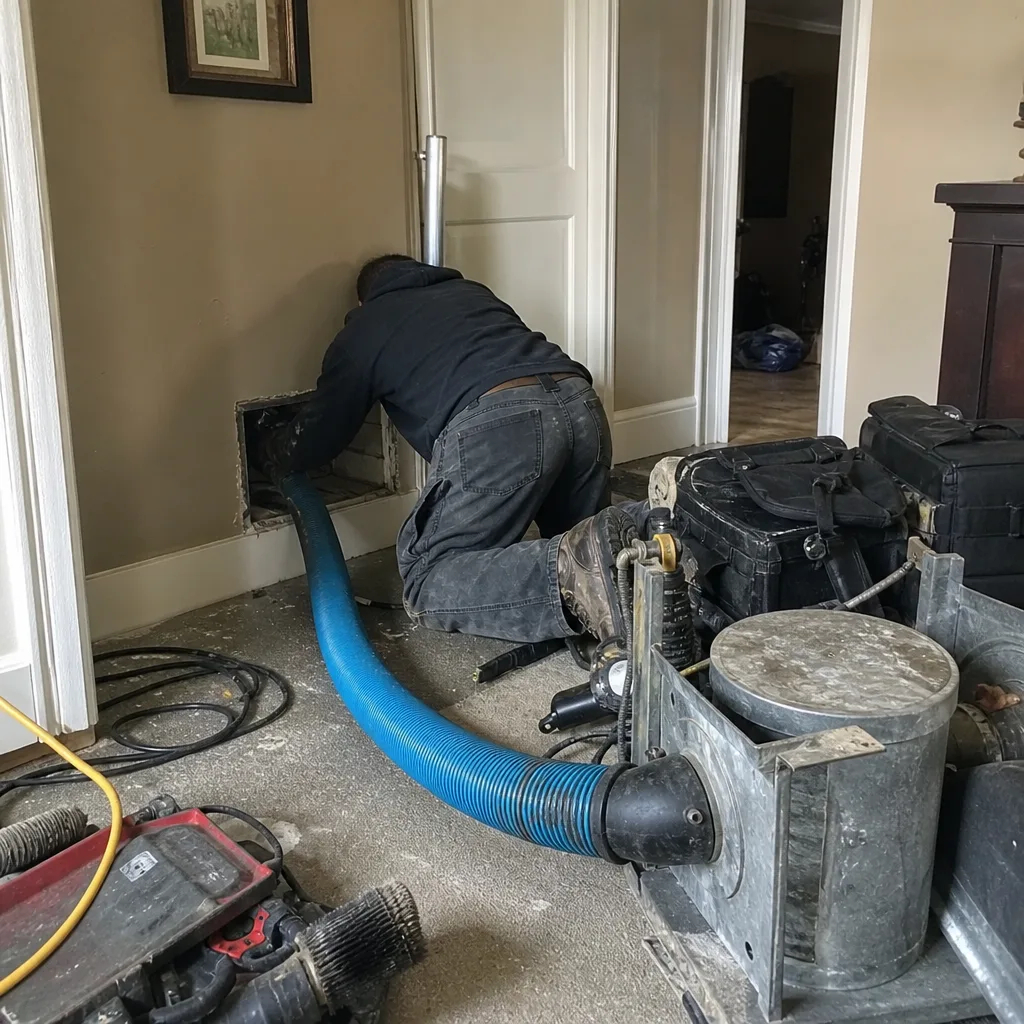 Before
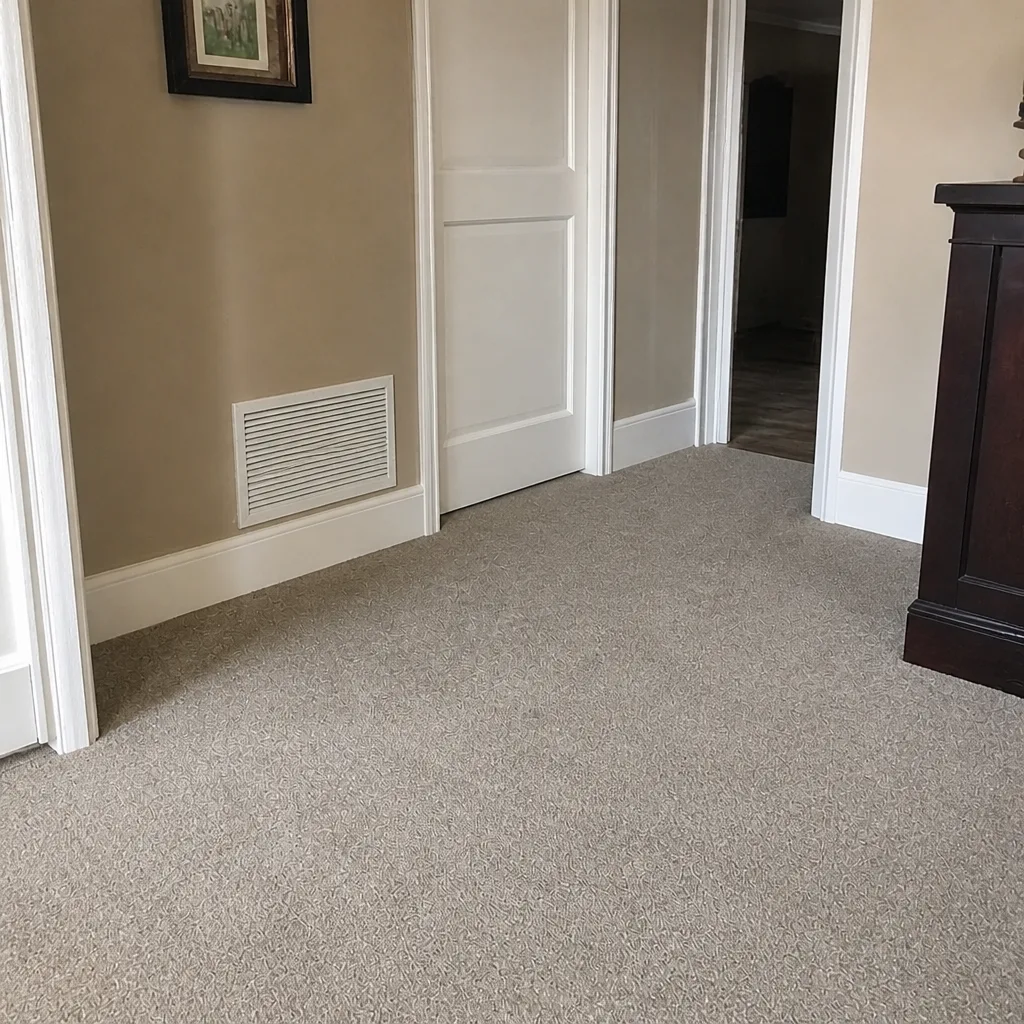 After
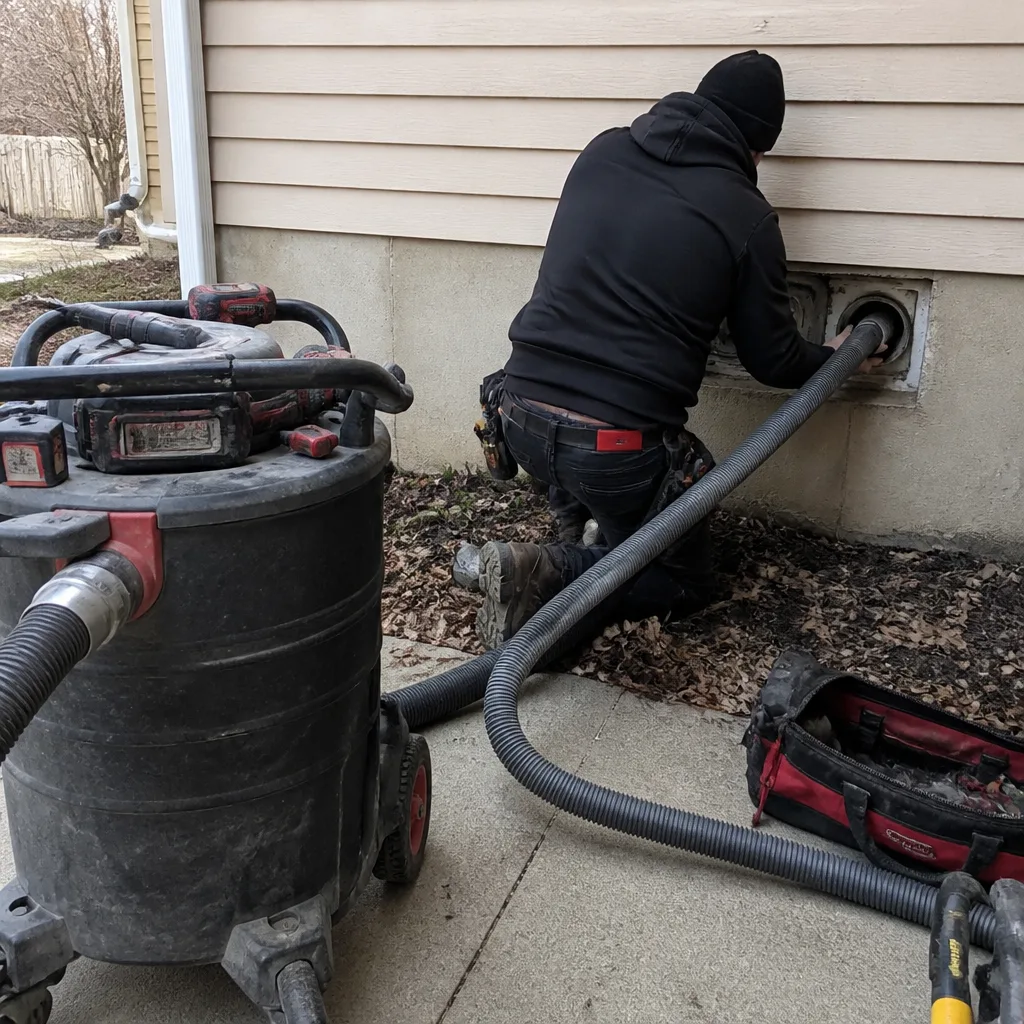 Before
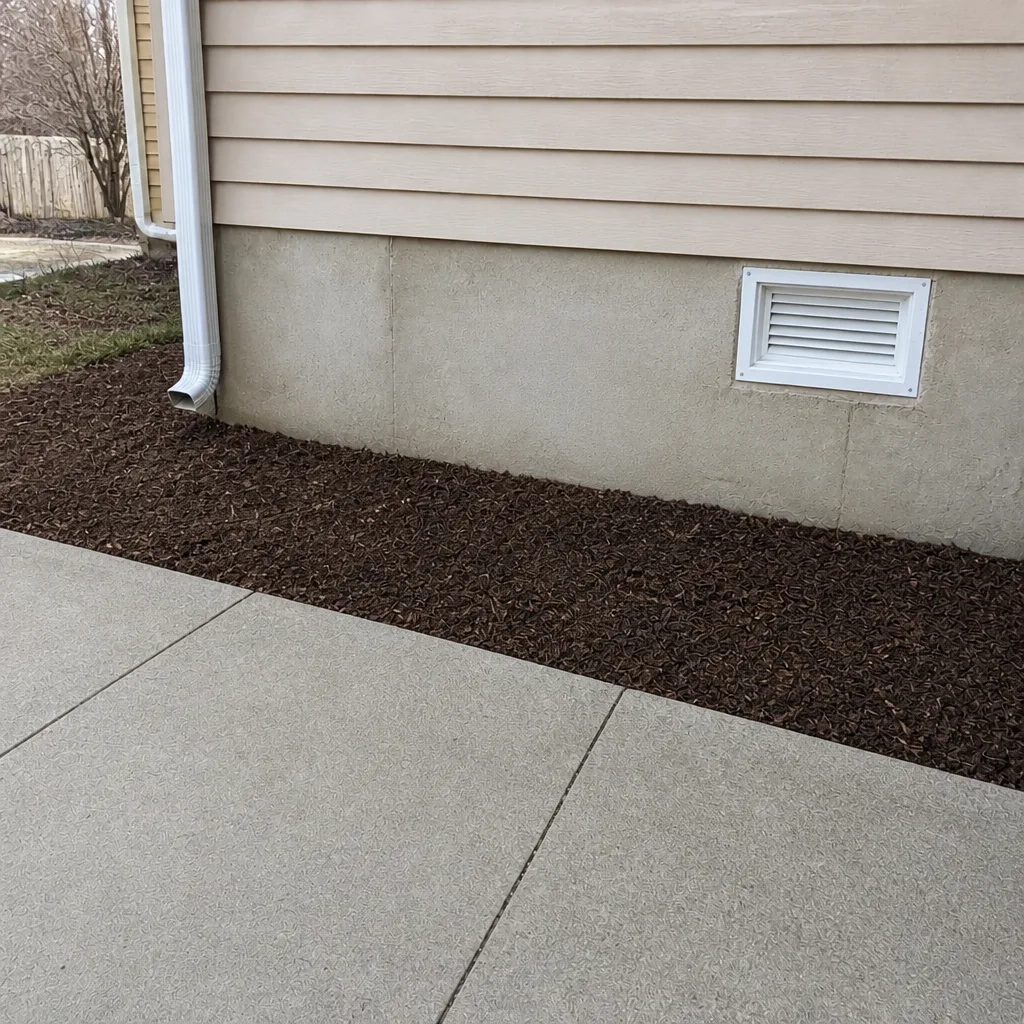 After
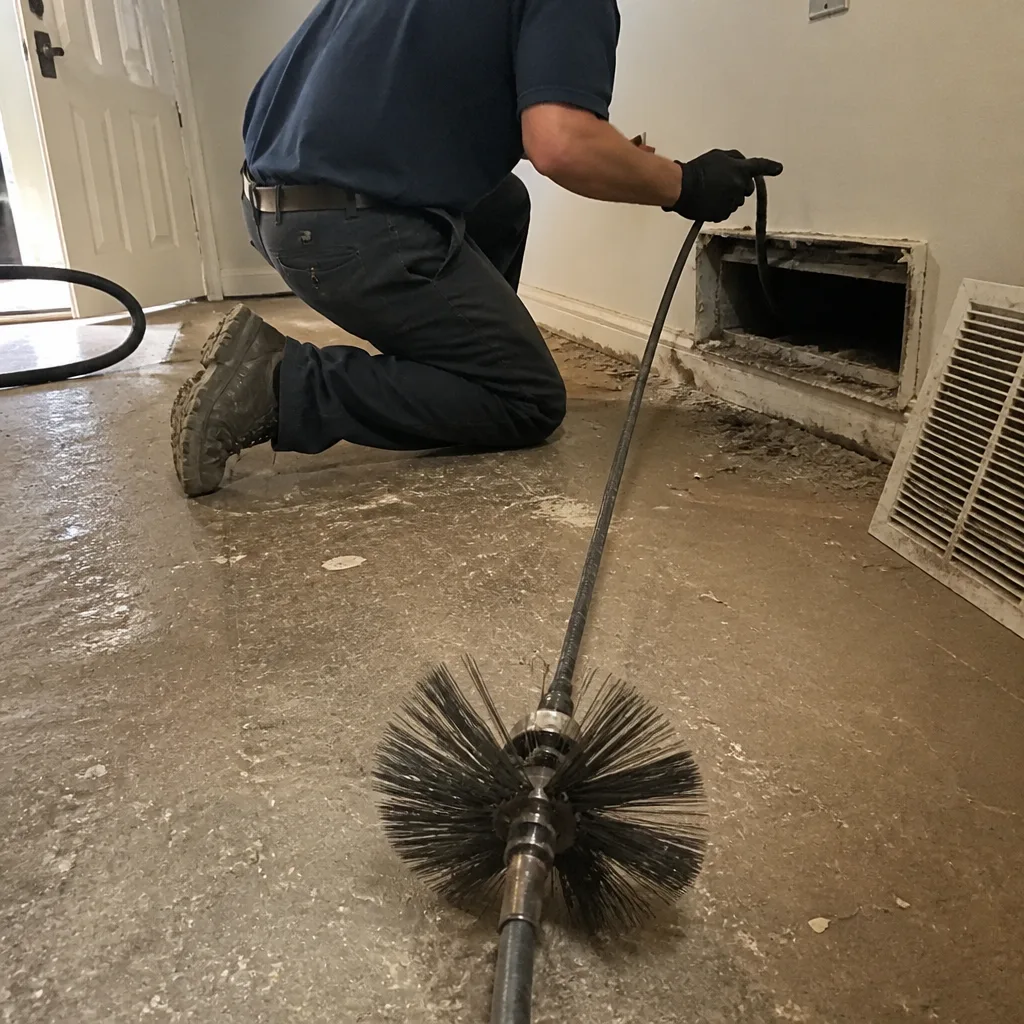 Before
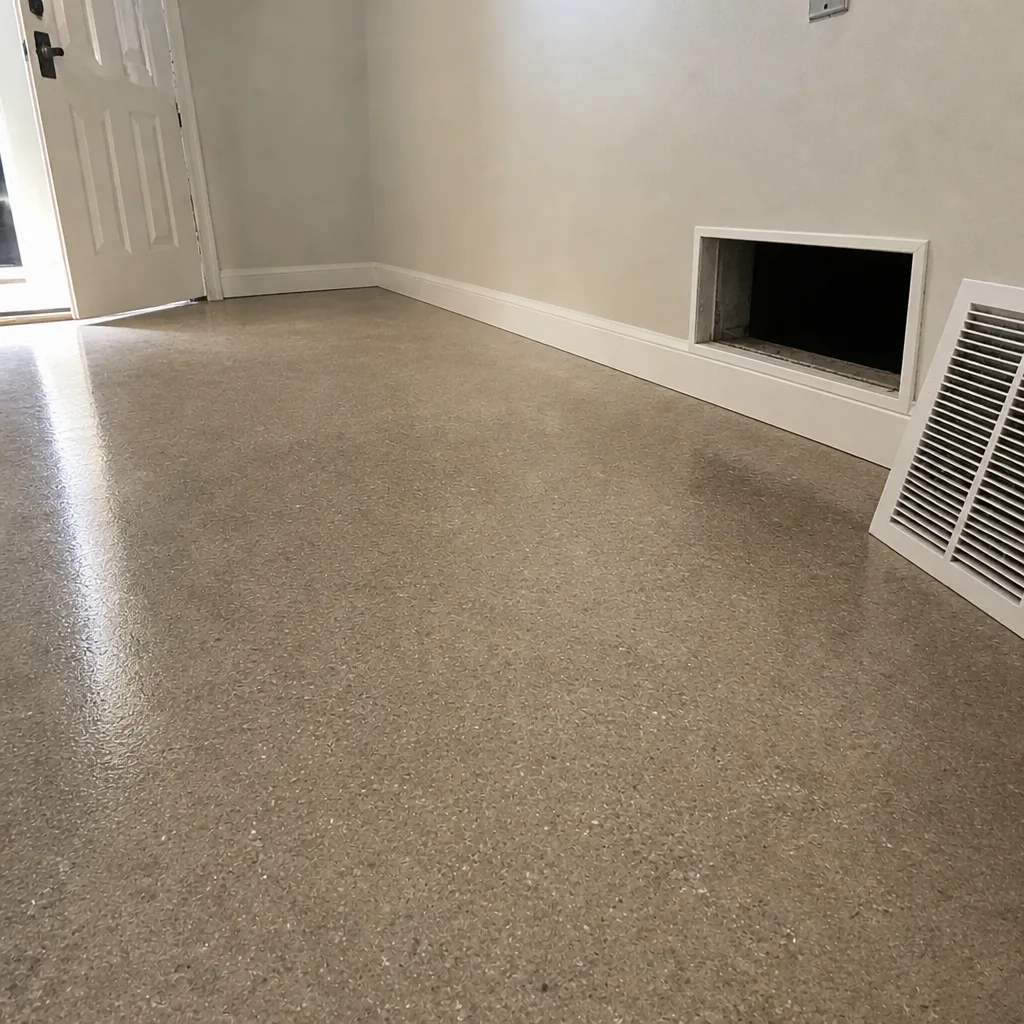 After
When to Call a Professional
Call us when you’ve identified two or more warning signs from this guide and they’re not clearing on their own. Call immediately if you see visible dark growth near a vent, smell musty air when the system runs, find droppings or nesting material, or notice a smell of burnt wiring that doesn’t clear. Those need a professional eye before the next heating cycle. For everything else – dust that keeps returning, one room that won’t keep up, dark rings around the registers, a heavy lint load on returns – a scheduled inspection is the right next step. Bountiful Air Duct Cleaning offers free estimates in Bountiful. Call (866) 947-9113. We answer 24/7. Fast dispatch from 7am to 7pm, Sunday through Friday. One flat price per system is agreed before work starts, and you get before-and-after photos of your own ducts so you can see exactly what changed.
Frequently Asked Questions
Read the dust pattern first. Dust concentrated around and below supply registers points to a duct problem; dust spread evenly across distant surfaces more often points to a filtration or infiltration issue in the living space. If dust resettles within 48 hours of cleaning, or if one room is consistently harder to heat or cool, that’s a sign the ducts need professional evaluation. Call (866) 947-9113 for a free estimate – we’ll tell you what the pattern points to before any work begins.
Yes, treat it as urgent. A musty smell when the system runs points to active moisture somewhere in the system, and every cycle spreads airborne contamination through the house. Turn the system off and have it inspected before running it again. Our Bountiful team can assess the source and handle the cleaning and sanitizing step once the moisture issue is addressed. Call (866) 947-9113. We answer 24/7, with fast dispatch from 7am to 7pm, Sunday through Friday.
Usually yes, and they point specifically to filter bypass or high-debris loading in the main trunk. The rings are fast-moving particles striking the wall surface around the grille, which means the filter isn’t catching them. Cleaning the system addresses the loading; checking the filter fit and sealing leaks addresses the bypass. Both are worth doing in the same visit, and that’s a service we can perform together. Call (866) 947-9113 for a free estimate.
Yes, but the more likely cause is restricted airflow rather than dirt alone. A partially blocked run, a disconnected flexible duct in the attic, or a collapsed section will starve that room of air while the rest of the house feels fine. A professional check finds which run is the problem and whether it can be cleaned, resealed, or replaced. Since we handle duct repair and sealing alongside cleaning, the fix happens in a single visit. Call for a free estimate.
You ask for documentation, and you get before-and-after photos of your own ducts. That’s a big reason Bountiful homeowners call us: we photograph the system before and after cleaning so you can see the change yourself. We use Rotobrush rotary brush equipment, Nikro restoration-grade cleaning tools, and Abatement Technologies for post-clean sanitizing, and we agree one flat price per system before work starts – no per-vent pricing, no mid-job surprises. Call (866) 947-9113.
Cleaning removes what’s inside the ducts. Repair and sealing fix the pathway itself – the leaks, slipped connections, and compressed runs that let dust in and conditioned air out. The warning signs that point to a leak (uneven rooms, high dust near returns) usually need both. Most duct cleaning companies can only do the first. Because we handle duct repair and sealing in-house, we can find the leak and fix it in the same visit. Call (866) 947-9113 for a free estimate.
The Bottom Line
The main lesson of this guide is that duct problems aren’t silent. Dust patterns, odors, uneven rooms, and dark rings around registers are a coded message about where your system is failing. Sorting those signals into urgent versus scheduled is the difference between a small fix and a larger one. The most common root cause isn’t dirt at all – it’s filter bypass or a leaking run that lets the same debris cycle back in. Cleaning without repair misses the underlying issue. When we work in a Bountiful home, we clean the whole air pathway, then