
Last updated November 24, 2026
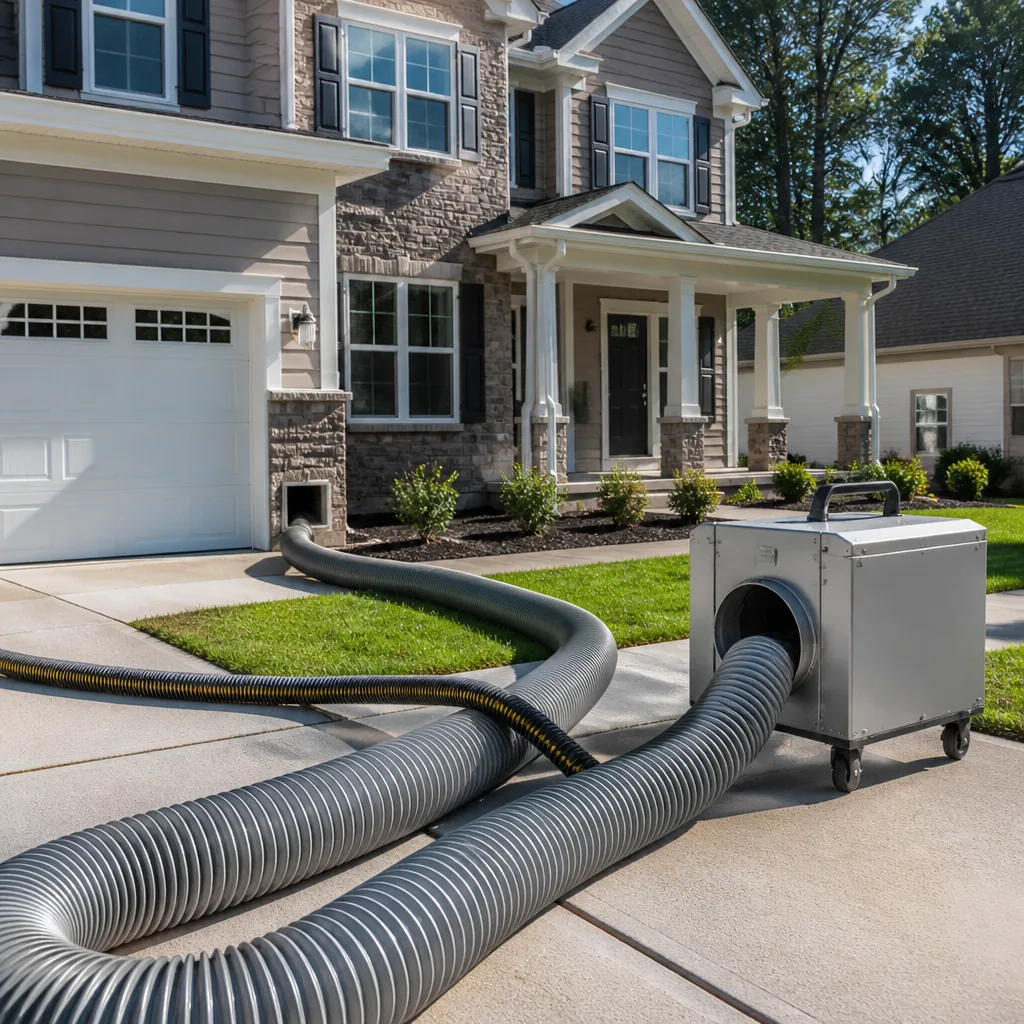 Whole-home duct cleaning
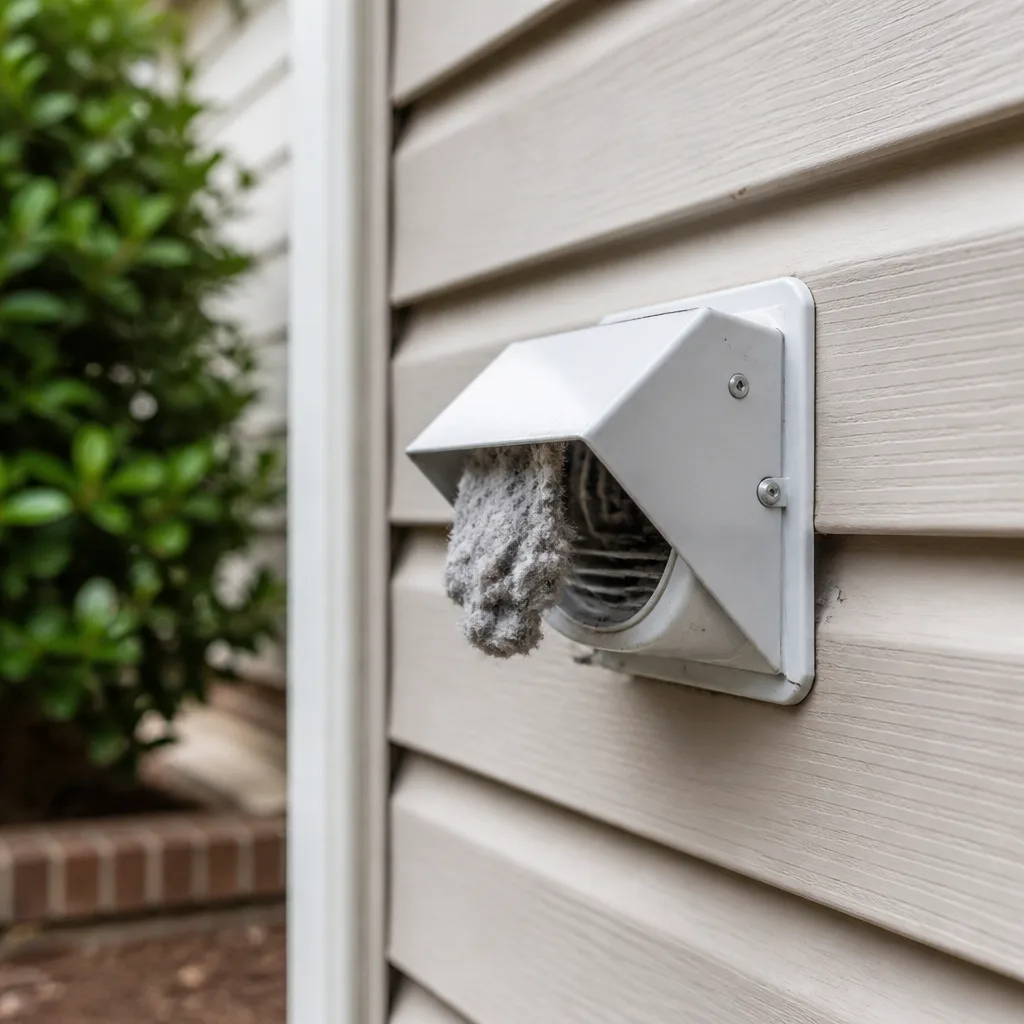 Dryer vent cleaning
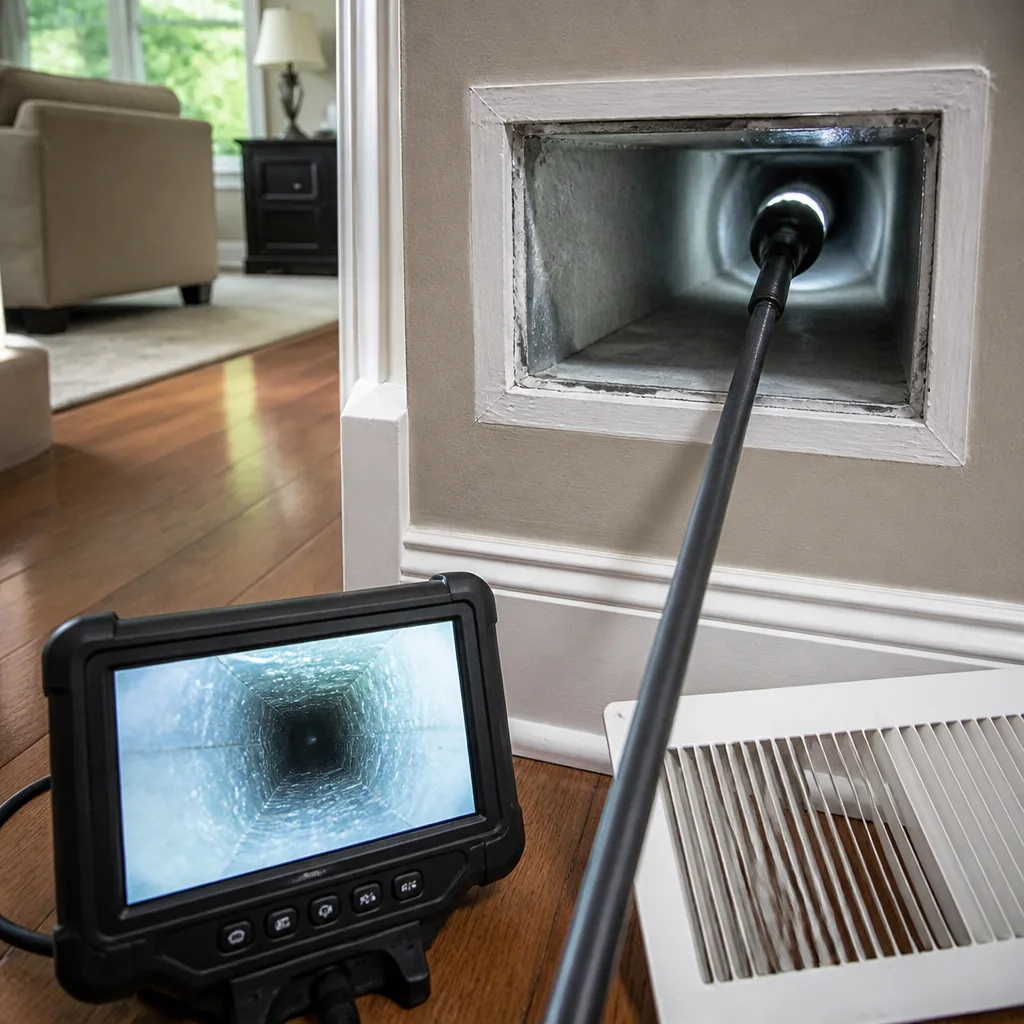 Camera inspection
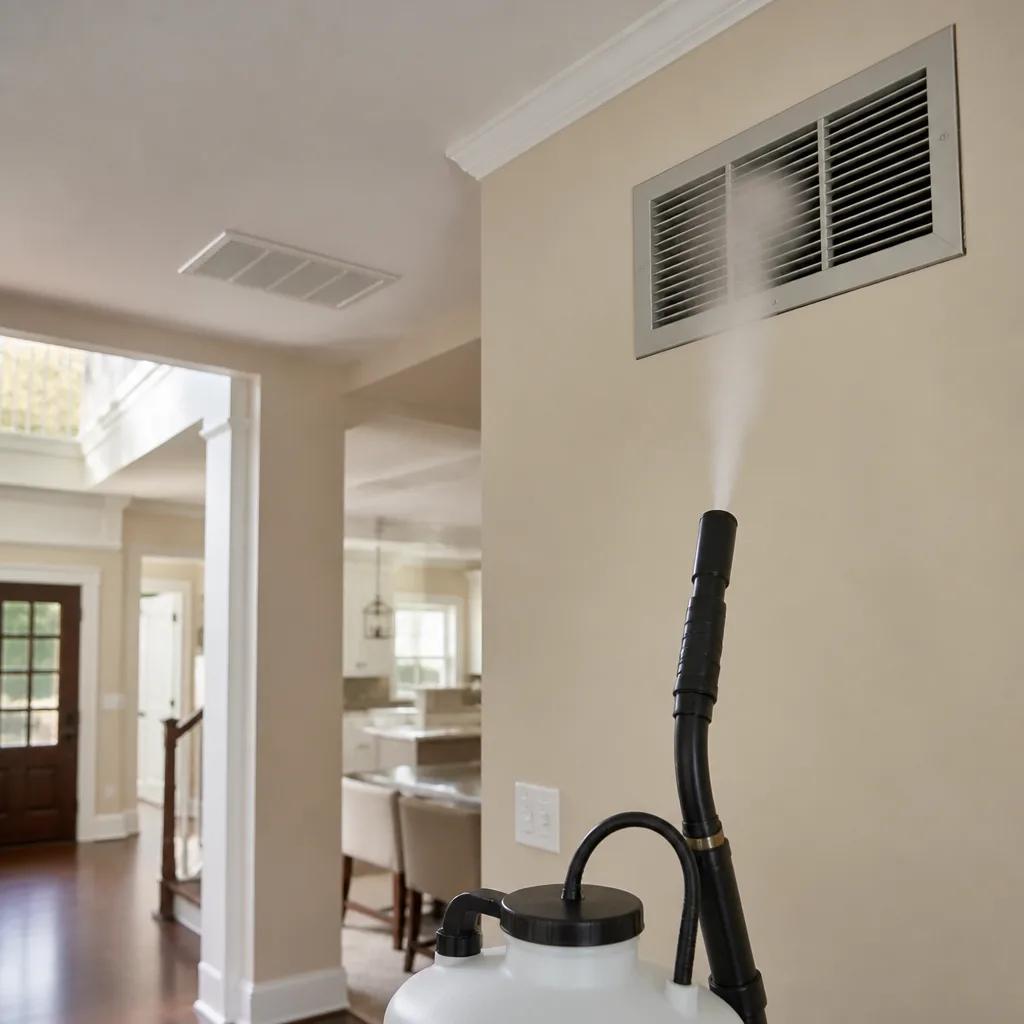 Sanitizing & deodorizing
Whole-system duct and dryer vent check with before-and-after photos - you see exactly what came out of your vents
That "$99 whole-house special" is a bait ad - the real number appears once they are in your hallway, or the "clean" is a shop-vac at the register. We photograph the inside of your ducts before and after instead.
Air Duct Cleaning Emergency Preparedness Guide for Bountiful Homes
Most homeowners here have a fire extinguisher, a flashlight, and a plan for where to meet. Almost none of them have thought about the air their house pulls in when something goes wrong outside. That’s the gap this guide fills. A wildfire smoke week, a flash flood that pushes water into the basement, or a seismic shift that cracks a duct joint creates a specific kind of contamination inside your system, and each one needs a different response. But the response only works if you already know what to do before the event. Below, we walk through the protocols we’ve seen work for Bountiful homes, from wildfire smoke shutdowns to post-earthquake inspections.
Quick Answer
Emergency preparedness for your air ducts in Bountiful comes down to three things: knowing how to fully shut down your HVAC during a smoke, flood, or seismic event so it can’t distribute debris; upgrading to a high-MERV filter before a wildfire smoke season; and having a professional duct inspection scheduled within 48 to 72 hours of any significant contamination event. The most important step is the one homeowners skip: shutting down at the breaker, not just at the thermostat.
Styles & brands we work with
- Whole-home duct cleaning
- Dryer vent cleaning
- Camera inspection
- Sanitizing & deodorizing
Table of Contents
- Why Bountiful Homes Face a Unique Duct Emergency Profile
- The HVAC Shutdown Protocol Every Homeowner Should Know
- Wildfire Smoke Protocol: Shut Down vs. Recirculate
- Flood and Moisture Intrusion: The 48-72 Hour Window
- Post-Seismic Duct Inspection Checklist
- Insurance Documentation for Duct System Damage
- Coordinating Duct Cleaning With Restoration and HVAC Pros
- Filtration Upgrades That Earn Their Keep
Why Bountiful Homes Face a Unique Duct Emergency Profile
Bountiful sits on a bench below the Wasatch foothills, and that geography shapes what enters your ductwork when the weather or the ground misbehaves. The things that happen here tend to hit all at once. A single violent wind event can push hillside dust, smoke from remote fires, and pollen through every gap in a home’s envelope. A summer downpour on a burn scar can send water into basements faster than a sump pump can handle. And when a fault under northern Utah shifts, older brick and block foundations in Bountiful neighborhoods like the ones near 400 North and the lower bench tend to flex, twisting duct boots, flex connections, and equipment pads all at once.
What connects all of these is the HVAC system. When it runs, the system’s return side becomes exactly what it’s designed to be: a large, low-pressure suction pulling across every leaky duct joint, every attic hatch, every crawlspace opening. Contaminants outside become contaminants inside the ducts within minutes. That’s a normal function of the system, not a flaw. The flaw is assuming you have to keep the system running because the furnace or air conditioner is what makes the house livable. During a contamination event, it isn’t.
We treat this as a specific Bountiful problem rather than a generic warning. The housing stock here is mixed, with homes from every era of the last 80 years, from older war-era construction with hard-ducted return plenums to newer builds with flexible lines draped through ventilated attics. Each category behaves differently under stress. Older rigid metal ductwork develops joint separation when a foundation shifts. Newer flex runs sag or crush when a mechanic steps on them after an earthquake inspection. Whatever pattern your system follows, the response protocol is the same: stop the system, assess the damage, and get a professional out to inspect the air pathway itself, not just the visible registers.
The HVAC Shutdown Protocol Every Homeowner Should Know
Here’s the piece almost every homeowner misses: turning off the thermostat doesn’t turn off the system. Most thermostats keep the blower motor running for 30 to 90 seconds after a call ends, and the fan setting can run the blower continuously regardless of the mode. During a contamination event, that’s enough to pull outside debris into the ducts.
Here is the sequence we recommend for a full system shutdown. Print it, keep it on the side of the furnace cabinet, and walk through it once before you need it.
- Set the thermostat to Off. Not “Heat,” not “Cool,” not “Fan On.” The Off position stops the call for conditioned air.
- Walk to the furnace or air handler. If it’s in the attic, basement, or utility closet, you should already know where it is. If you don’t, find it now.
- Switch the furnace service switch to Off. It’s usually a toggle or a light switch on the side of the cabinet or within a foot of it. Some homes have a red-faced switch cover.
- Turn off the thermostat’s own circuit breaker. On most panels this is labeled “Furnace,” “Air Handler,” or similar. The heat pump or condenser may be on its own breaker – turn that off too if you can identify it.
- Close exterior window dampers and fresh-air intakes. If your home has a fresh-air intake for ventilation, tape it closed with painter’s tape during a smoke event. Verify any HRV or ERV is also off at its own switch.
- Verify the shutdown. Wait 90 seconds, then hold a hand near a register. You should feel nothing. If you do, the thermostat or a separate zone controller is still calling. Locate the second breaker.
Every step matters because Bountiful homes with zoned systems or two-stage equipment can hide a secondary controller. If you’re unsure whether your system is fully off, call a professional. Do not climb into an attic or a crawlspace while a system is potentially live to trace a wire – that’s a job for an electrician or an HVAC technician.
Wildfire Smoke Protocol: Shut Down vs. Recirculate
Wildfire smoke events along the Wasatch Front are, by now, a seasonal reality rather than a rare exception. The problem is that fine smoke particles – smaller than a typical duct filter can catch – enter the home through the return system faster than they can be filtered, and the recirculation setting on a thermostat is not the same as sealing a house.
Here’s the rule we’ve adopted in our own work: during a heavy smoke event, shut the system down entirely rather than running it on recirculate. This is contrary to advice you may have seen. Running the system on recirculation keeps the blower moving air through the ducts, which sounds like filtration, but the fresh-air intake of most homes is never sealed. The system keeps drawing outside air into the envelope. Better to shut down and use a standalone HEPA air purifier in the room you’re occupying than to circulate debris through every duct.
If you have to run the system, for temperature or humidity reasons, the sequence below keeps the air as clean as the equipment allows:
- Upgrade the filter to the highest MERV your equipment’s manufacturer supports. Most residential blowers tolerate MERV 11 to MERV 13 without excessive static pressure. A MERV 16 filter on a standard blower can starve airflow and damage the motor, so verify the manufacturer’s specification first. A filter upgrade is one of the few things that pays off during a smoke event, and it’s also the moment to consider a properly installed Aprilaire or Honeywell cabinet filter in the return trunk.
- Seal the fresh-air intake and any window dampers with painter’s tape, and close all doors and windows.
- Set the thermostat to “Fan Auto,” not “Fan On.” This limits blower run time to actual calls for heat or cooling.
- Watch for pressure imbalances. If a bath fan, range hood, or dryer vent is running, it pulls air from somewhere. When smoke is outside, that “somewhere” is the duct system and the house envelope. Don’t run multiple exhaust fans during a smoke week.
- After the event passes, run the system for a full cycle on normal mode, then schedule an inspection. Smoke residue settles in ducts, on blower wheels, and on the evaporator coil whether or not the house shut down, and only mechanical cleaning addresses it.
Once the smoke clears, the right move for a Bountiful home is a full-system evaluation. The ducts, the air handler, and the coil are all part of the same air path, and that’s why HVAC cleaning belongs in the same conversation as duct cleaning after a smoke season. A quick vacuum at the registers won’t touch residue on a blower wheel.
Flood and Moisture Intrusion: The 48-72 Hour Window
Water in the ducts is not a slow problem. Fresh moisture in a dust-laden duct creates a mold colonization window measured in hours, not weeks. Mold spores are already present in every home’s air, and they only need a wet surface and 48 to 72 hours to begin visible growth. Bountiful’s summer thunderstorms can push heavy rain against the bench, and basements in older neighborhoods on the lower slope are the usual first casualties.
What to do in the first 48 to 72 hours matters more than anything that happens later:
- Shut down the HVAC at the breaker using the sequence above. Do not run the system to dry out the house. That pulls moisture into every duct and coats it with a food source for mold.
- Document. Photograph and video every affected area before removing a single item. Open cabinets and closet doors. Aim a flashlight down into the ducts through removed registers and photograph what you see.
- Remove standing water and start structural drying with fans and dehumidifiers in the rooms. The ducts themselves cannot be dried with a household fan, but the structure around them can, and getting the envelope dry is the first step.
- Remove and bag any wet insulation, cardboard, or soft goods that came into contact with the water. Do not attempt to save porous materials that have been wet for more than 24 hours.
- Call a professional duct company before you bring in the restoration crew if there’s any chance water reached the ducts. A restoration company drying the structure does not typically dry or sanitize the inside of ductwork.
- When you call, tell the dispatcher four things: how deep the water got, how long it stood, whether the HVAC ran during the event, and whether the water was clean, gray, or black. That single relay determines what equipment shows up.
- Start the insurance file immediately. Timestamps on photos matter more than the photos themselves.
Once the duct interior has been wet, sanitizing matters as much as cleaning. Restoration-caliber sanitizing tools – the kind of products Abatement Technologies or Guardsman supply – are designed for post-water biological remediation, and they’re the difference between a surface cleaning and a true fix. This is the same reason our air duct cleaning goes through the full air pathway from registers to air handler on any post-flood job, rather than stopping at the visible grilles.
Post-Seismic Duct Inspection Checklist
Utah’s active fault zone runs through the population centers of the Wasatch Front, and even a moderate quake can leave significant duct damage that isn’t visible from inside the house. The most common failure patterns are:
- Joint separation in rigid metal ductwork. The duct runs are screwed together with short self-tapping fasteners. A foundation shift or a settled wall is enough to shear those screws and open a quarter-inch gap at a joint. The gap doesn’t leak air dramatically, but it does pull attic or crawlspace air into the system continuously.
- Collapsed or kinked flexible duct in attics and crawlspaces. Flex duct hangs from strapping. A shift can drop the strapping, crush the run, or open an inner liner at a fitting. When the inner liner opens inside the outer sleeve, the system loses control of where the return air comes from.
- Displaced insulation and vapor barrier. Loose fiberglass insulation in a crawlspace or an attic can shift to block the returns or, worse, break down and get drawn into the system.
- Displaced equipment. A furnace or air handler that has moved even a fraction of an inch on its pad can open the connection at the supply plenum, sending conditioned air into the attic instead of the house.
- Boot separation at floor and ceiling registers. Duct boots are nailed and taped to framing. They separate more easily than the ductwork itself.
Our post-earthquake inspection order follows a simple sequence: visually check every accessible duct joint and flex fitting, verify the air handler and plenum are still aligned and fastened, check the return trunk for collapse, and confirm filter rack integrity. Then we leak-test with a pressure check while the system runs to see if the system loses air between the handler and the registers. Some of the damage we find can be repaired and resealed in the same visit – which is why our team includes duct repair and sealing as part of the core service list. A separation at a joint or a boot is a fix, not a replacement.
Two safety notes specific to post-quake work deserve mention. Never inspect attic or crawlspace duct runs on your own after a quake until you’ve verified the structure, since a compromised roof or floor can fail under weight. And never re-energize a system that has shifted or that has debris visibly resting in the plenum or on the blower wheel. Get the inspection done by someone with the right training first.
Insurance Documentation for Duct System Damage
Every duct damage claim that succeeds has a paper trail behind it. The one that fails usually starts with “we noticed water in the basement and cleaned it up.” Most standard homeowner policies cover sudden and accidental damage – a burst pipe or wind-driven rain – but they typically exclude damage from interior condensation, gradual seepage, and pre-existing construction issues. Duct damage after a quake or fire often sits in a gray zone that documentation settles.
What to collect, and when:
- Timestamped photographs of the visible intrusion point – the gap where water entered, the displaced duct boot, the smoke residue visible through a removed register.
- Photographs inside the ducts themselves. Bring your phone camera down into an opened return grille and take one shot per duct. These become the “before” half of your claim and the “before” half of your professional cleaning.
- A written record of every step taken, with times. When you shut the system down, when you called the restoration company, when the duct crew first entered the house.
- Receipts for materials, temporary filtration purchases, and any hotel stays. Policies differ on what’s reimbursable, but they all require a receipt.
- A professional inspection report with photographs of the inside of the system. This is the item most homeowners don’t have, and it’s the one we provide as part of every post-event job.
When you call your insurer, the person on the other end will likely ask two questions first: was the event sudden and accidental, and is the damage documented. That second question is where the photographs and the inspection report earn their keep. Before-and-after photos of the inside of your own ducts don’t just tell you the work was done; they tell the adjuster exactly what you started with.
Coordinating Duct Cleaning With Restoration and HVAC Pros
In a real emergency, three trades converge on the house at once: the restoration company drying the structure, the HVAC contractor checking equipment, and the duct crew handling the air pathway. Without a sequence, they get in each other’s way. Here’s how a well-coordinated response usually runs.
- Restoration makes the structure dry first. Nothing gets cleaned while the house is still wet. The restoration crew establishes negative air and structural drying, removes wet materials, and gives you a written drying report. Only when the moisture readings are back to normal does the duct work begin.
- HVAC verifies the equipment. Before the ducts are cleaned, the HVAC contractor confirms the air handler and coil are functional and reasonably clean. A duct crew running a rotary brush through a system with a damaged blower motor can cause further harm. Clean equipment then clean ducts, in that order.
- Duct cleaning, sanitizing, and any necessary repair follow. Rotary brushing through the full air pathway, followed by sanitizing, plus repair and resealing of any joint separation or fitting damage found during inspection.
- A final verification pass, with photos. Registers re-seated, filters changed, and a supply-side pressure check that confirms the system is reconnected to the house.
Bountiful Air Duct Cleaning is set up to be the duct-side of that sequence, not to replace the other trades. We don’t perform general HVAC repair, plumbing, or structural restoration work. When your HVAC contractor needs a duct inspected, cleaned, and repaired, we keep that work in-house. When the restoration company needs a documented post-flood or post-fire duct cleaning, we can deliver the report they need for the insurance file.
That is also why our five services belong in the same conversation. Cleaning the air ducts without addressing the dryer vent, the HVAC equipment, the duct seals, and air quality gets you a partial result. To handle the whole air path, the list is: air duct cleaning, dryer vent cleaning, HVAC cleaning, duct repair and sealing, and air quality and sanitizing. Each is a distinct job, but they all describe the same system, and an emergency tends to touch several at once.
Filtration Upgrades That Earn Their Keep
A standby filter in the return grille does what it can, but during an emergency it’s a stopgap. Homes in Bountiful that went through multiple smoke seasons and still haven’t upgraded filtration are, in our experience, the ones whose duct systems look worst after an event. What’s worth adding before the next emergency?
- A deep-pleat MERV 13 filter in a proper cabinet. A Honeywell or Aprilaire cabinet filter with a 4-inch or 5-inch media filter holds far more dust and lasts far longer than a 1-inch panel, and it stays in place without the typical bypass you get with a thin grille filter. Verify the maximum MERV your equipment can tolerate before you upgrade.
- A sealed filter rack. Even a great filter does nothing if air bypasses around the edges. A properly sealed rack or cabinet enclosure is often more impactful than a higher-MERV filter in a leaky slot.
- Consider a media filter only if the blower can handle it. Higher-MERV filters increase static pressure. On an older air handler, the wrong filter can cause airflow problems that are worse than the particles it’s catching. A licensed HVAC pro can check your specific equipment’s rated pressure drop.
- Skip the “duct cleaning in a can” sprays. Aerosol products sold for consumer duct cleaning don’t clean the ducts, they coat them. Never apply an aerosol or fogging product in a duct system without confirming with a professional that it won’t void your equipment warranty or leave residue on the blower motor.
The other half of the upgrade is knowing what equipment to run. Our technicians have up to 8 years of experience running professional-grade tools like Rotobrush rotary brush systems, Nikro high-volume extraction, and Abatement Technologies units for post-cleaning air quality management. That capability matters most after an emergency, when the air pathway needs to be restored to a known condition rather than just “cleaned once.”
Common Mistakes to Avoid
- Running the HVAC during a smoke event because “the filters will catch it.” A furnace filter catches a fraction of smoke fine particles at best. The rest ends up on the blower wheel and the evaporator coil.
- Relying on the thermostat to seal the system. Turning the thermostat to Off leaves the blower running in some setups. Only a breaker-level shutdown prevents the system from pulling air.
- Cleaning only the registers after a flood or smoke event. A surface vacuum at the grilles leaves the plenums, the return trunk, and the coil untouched. The contamination you’re paying to remove lives inside the system, not on the face of the register.
- Bringing in a general restoration crew without a duct specialist. Restoration crews dry the structure. They don’t run rotary brush equipment through a duct run or sanitize with restoration-caliber air quality tools. Both are needed after a real moisture event.
- Waiting past 48 to 72 hours to call anyone. Mold colonization in wet ductwork is a well-established biological process, and it starts soon after moisture arrives. A call made at the end of week one is a different job from a call made on day one.
- Skipping the post-earthquake inspection because “nothing looks broken.” Duct joint separation and flex collapse are rarely visible from inside the home. The damage is in the attic and crawlspace.
- Skipping the written estimate. Any professional duct cleaning in Bountiful should be priced per system, based on an inspection, in writing, before the work begins. A quote given “from the register” is not a real quote.
See the difference
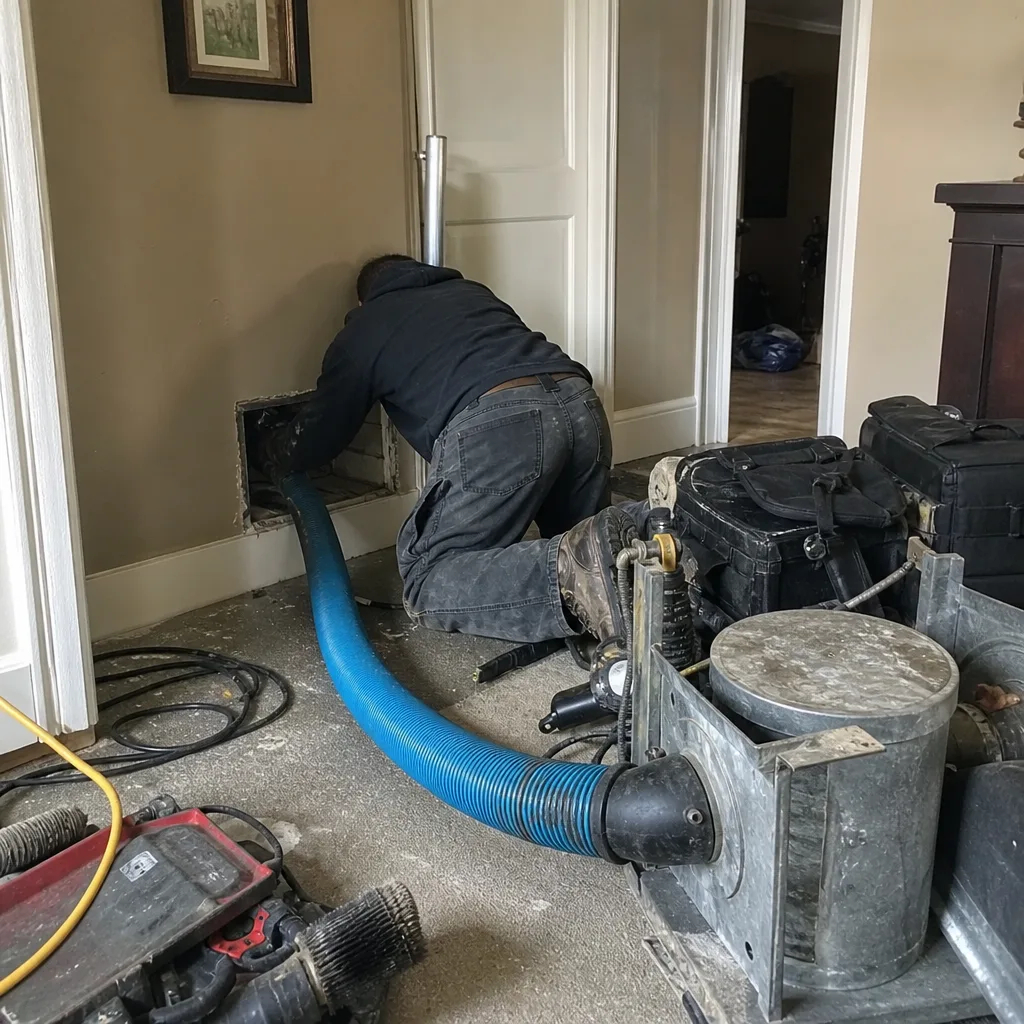 Before
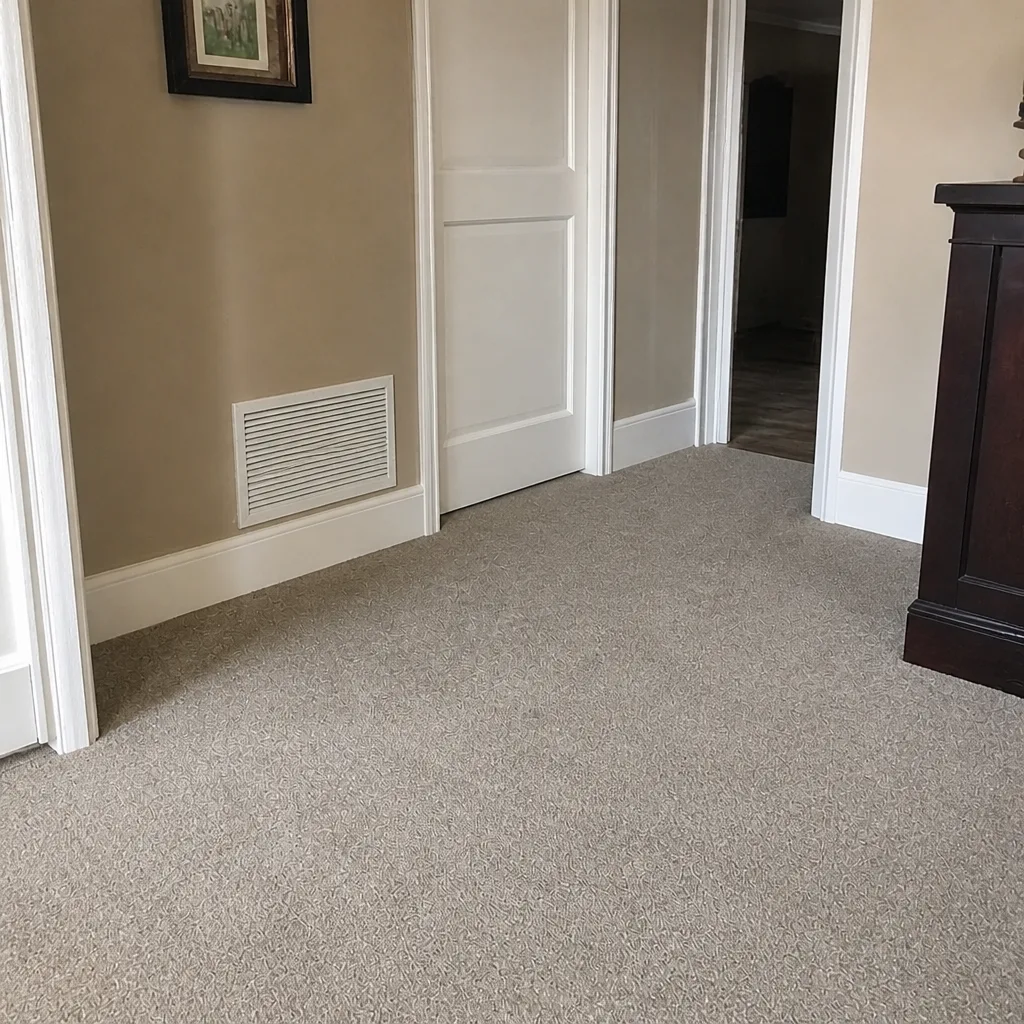 After
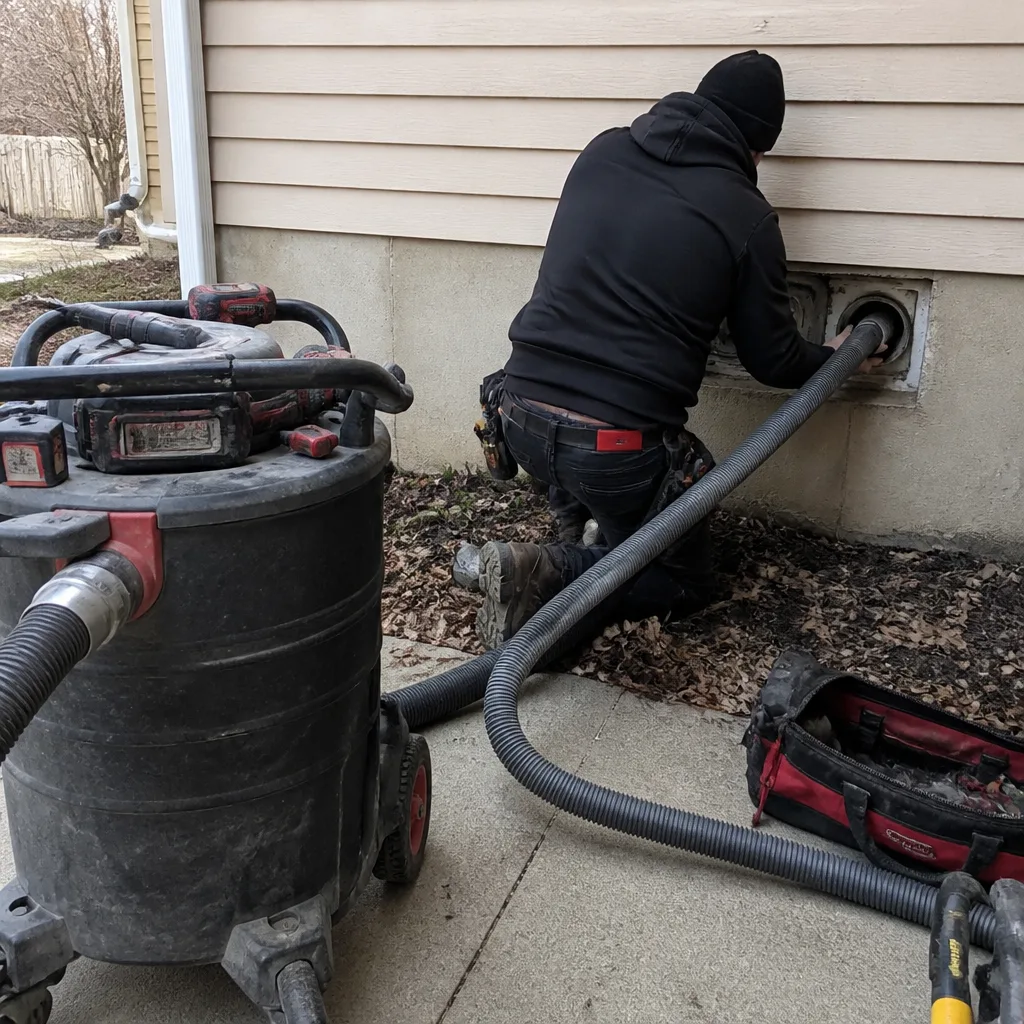 Before
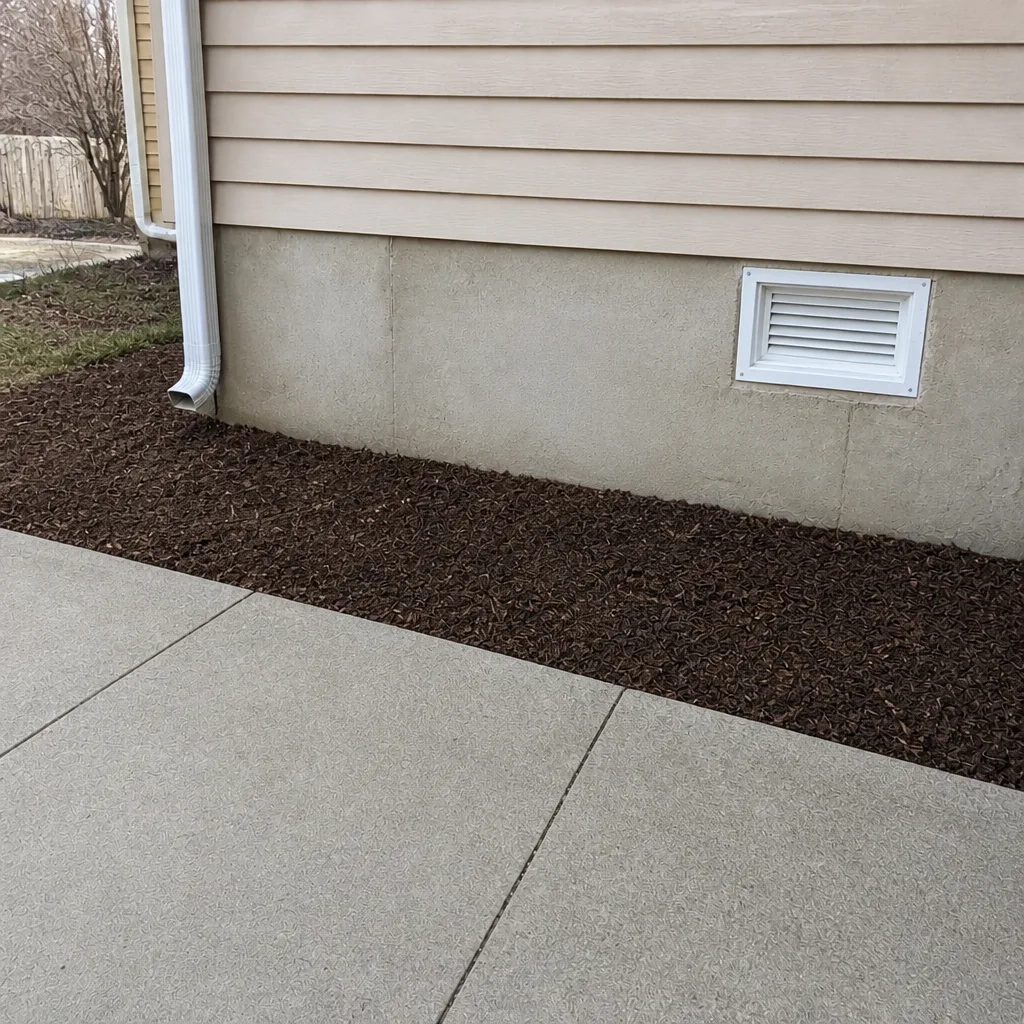 After
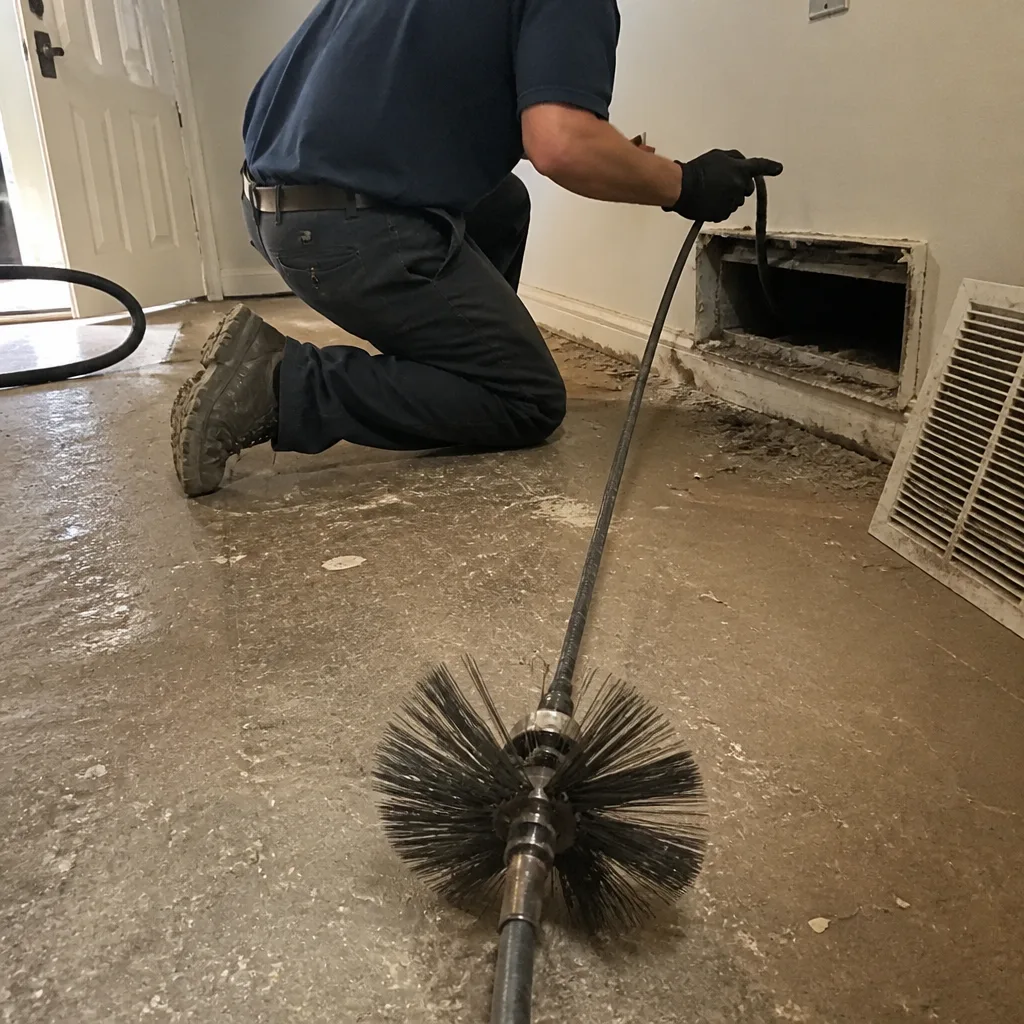 Before
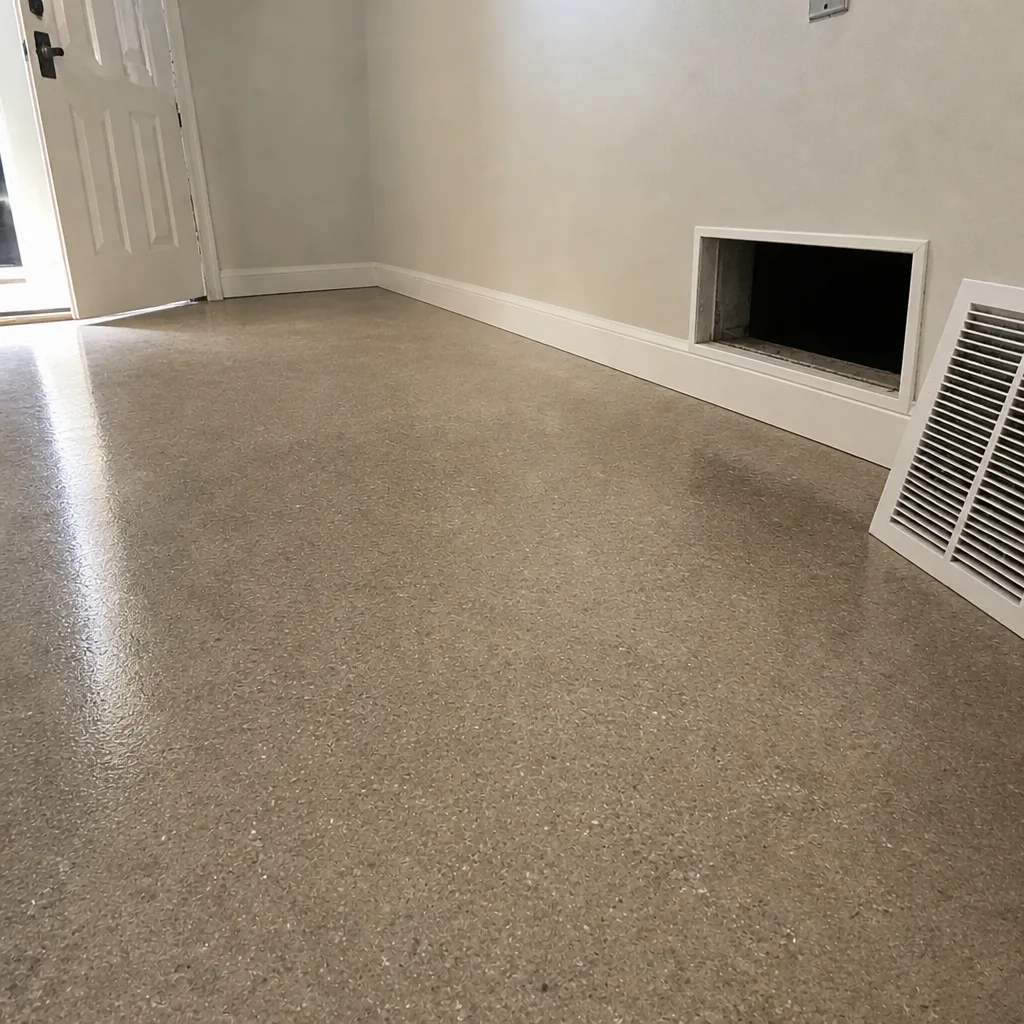 After
When to Call a Professional
Call for an inspection any time your system has been through an event: a multi-day smoke exposure, water that touched ductwork, a moderate quake, or a fire suppression event anywhere in the home. Call if the interior of the ducts still smells smoky two weeks after a fire cleared. Call if you can see visible mold growth on the air handler cabinet, the plenum, or a register boot. Call if a joint feels loose or a flex run sags after an inspection, and call if the house feels inexplicably dry or humid in one zone compared to another. A professional inspection confirms what’s actually happening inside the air path before you make a decision about cleaning or repair.
Bountiful Air Duct Cleaning offers free estimates in Bountiful. We answer 24/7. Fast dispatch from 7am to 7pm, Sunday through Friday. Call (866) 947-9113 to schedule an inspection or a full-system cleaning.
Frequently Asked Questions
No. During a heavy smoke event, shut the system down at the breaker rather than running it. A running HVAC system pulls outside air into the house through the return side, and a standard filter catches only a fraction of the fine smoke particles. Running a standalone HEPA air purifier in the room you’re occupying is generally a better approach than circulating smoke through the duct system.
Plan on 48 to 72 hours. Moisture in a dust-laden duct creates conditions where mold can start colonizing within that window. The system should be shut down immediately and an inspection scheduled as soon as possible after the water recedes. Call (866) 947-9113 for an exact quote – estimates are free.
Tell them how deep the water got, how long it stood, whether the HVAC ran during the event, and what category of water it was (clean supply-line water, gray water, or black water). Those four facts determine what equipment shows up and whether sanitizing is required. We answer 24/7 at (866) 947-9113.
It depends on the policy, but many standard homeowner policies cover duct cleaning when it’s part of a sudden and accidental event such as a fire or a burst pipe. Documentation is the deciding factor. Timestamped photos of the intrusion point, before-and-after photos from inside the ducts, and a professional inspection report are the pieces that support a claim.
Insist on before-and-after photos of the inside of your own ducts, not stock photos, and ask for the inspection report from the initial visit. A professional job includes a written record of what was found, what was removed, and what condition the system was left in. Our team delivers those photos as a standard part of every job.
The signs are usually hidden: joint separation at rigid duct connections, collapsed flex runs in the attic or crawlspace, boot separation at floor and ceiling registers, and shifted equipment at the plenum. From inside the house you might notice uneven room temperatures, whistling at a register, or higher energy bills. A professional inspection in the attic and crawlspace is the way to confirm.
The Bottom Line
Emergency preparedness for your air ducts in Bountiful isn’t a product. It’s a short checklist you use in the right order. Know where your breaker is. Shut the system down at the source, not at the thermostat. Photograph everything, inside and out, before you touch it. Call a professional within 48 to 72 hours of any smoke, water, or seismic event, and insist on before-and-after photos of the inside of your own ducts. Filter upgrades, sealed filter racks, and a pre-event duct inspection are the three things worth doing before the next emergency arrives. Everything on this list points at one idea worth keeping: when the event is happening outside, don’t let your HVAC become the pathway that brings it inside.
If you’re not sure how your ducts are set up now, that’s the right thing to fix first. Bountiful Air Duct Cleaning offers a free written estimate on any duct system, whether you’ve just been through an event or want to be ready for the next one. Our technicians have up to 8 years of experience working with Rotobrush, Nikro, Abatement Technologies, and Guardsman equipment, and we can inspect, clean, repair, and seal the full air pathway in a single visit.
Call (866) 947-9113. We answer 24/7. Fast dispatch from 7am to 7pm, Sunday through Friday. For more on how we approach Bountiful Air Duct Cleaning across the full air pathway, or to schedule your first inspection, we’re ready when you are.
Written by the team at Bountiful Air Duct Cleaning.